Getting All Students to Participate
TL;DR
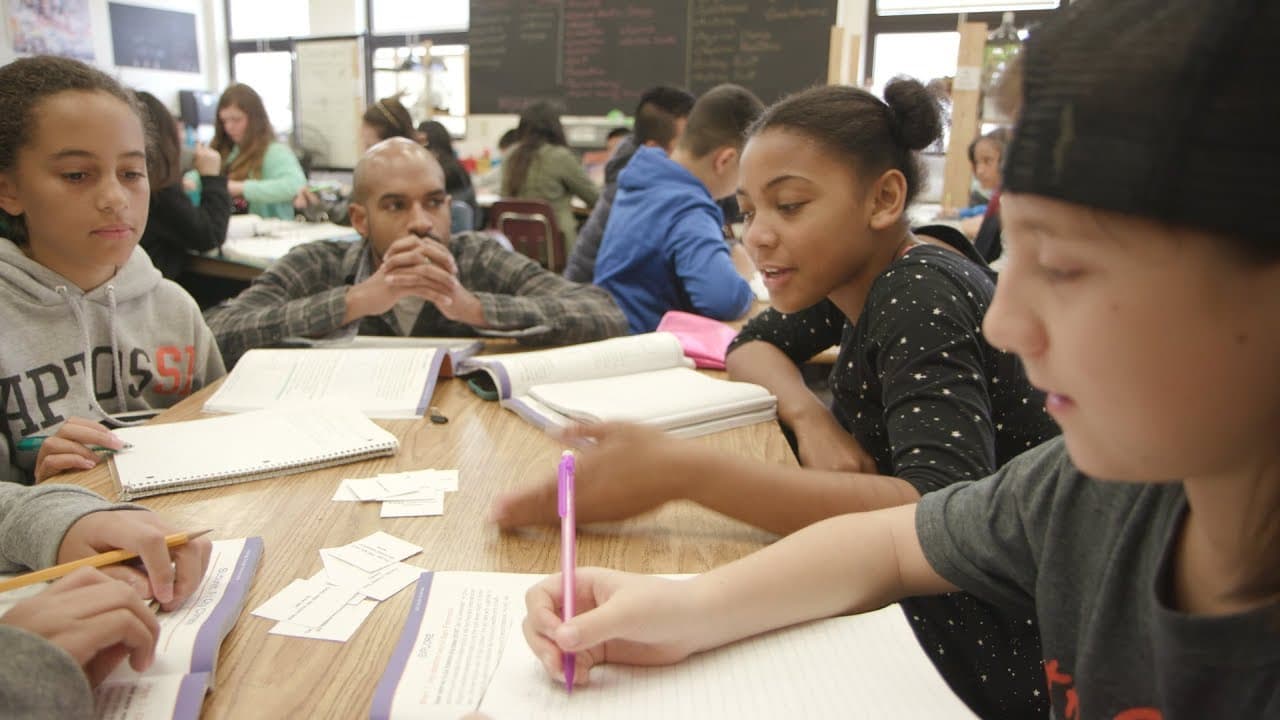
Group work in science education helps dispel beliefs about students' abilities and fosters equity in the classroom.
Transcript
- We recognize that students walk in the door of this classroom with issues of status behind them. That they recognize themselves as being a science person or a non-science person and that it's through student discourse and group work that they will start to dispel those beliefs about not only themselves but about their peers. As we think about our... Read More
Key Insights
- 🔬 Group work in science education is crucial for promoting equity and dispelling beliefs about students' science abilities.
- 🧑🎓 Teaching students about group roles and norms is essential to ensure effective collaboration.
- 👥 Revisiting group work and reinforcing group roles can help address issues that arise during the process.
- 👻 Group work allows students to bring their unique skills and perspectives into problem-solving activities.
- 💦 Effective group work involves productive discussions and interactions among students, not just talking at each other.
- 🥺 Building off each other's ideas and contributions in a group leads to a greater collective understanding of the content.
- 💦 Productive and respectful group work targeted at learning fosters a sense of community in the classroom.
Install to Summarize YouTube Videos and Get Transcripts
Explore YouTube Video Summarizer or Get YouTube Transcript Extractor
Questions & Answers
Q: How does group work in science education contribute to dispelling beliefs about students' abilities?
Group work provides students with opportunities to engage in student discourse and challenge their self-perceived identities as science or non-science people. Through collaboration, students can demonstrate their abilities and recognize the strengths of their peers.
Q: What is the importance of teaching students about group roles and norms?
By teaching students about group roles and norms, they gain an understanding of how to effectively work in a group. This includes learning basic behaviors and developing the skills needed for successful collaboration, such as active listening, sharing responsibilities, and respectful communication.
Q: How can teachers address issues during group work?
Teachers are recommended to address issues during group work by pausing the lesson and revisiting the concept of group work. They can provide additional guidance and reinforcement of group roles and norms. This helps students refocus, resolve conflicts, and ensure that everyone is actively participating.
Q: Why is it important for students to understand their roles in a group?
Understanding their roles in a group helps students recognize their responsibilities and contributions. Each group member plays a crucial role in achieving the group's goals. It fosters a sense of accountability, encourages active participation, and promotes a collaborative and productive learning environment.
Summary & Key Takeaways
-
Students' preconceived notions about themselves and their peers as science or non-science people can be dispelled through group work and student discourse.
-
Teaching students about group roles and norms is essential to ensure effective group work.
-
Teachers are advised to revisit group work when issues arise and remind students of their roles to promote active participation.
Read in Other Languages (beta)
Share This Summary 📚
Summarize YouTube Videos and Get Video Transcripts with 1-Click
Try YouTube Summary with ChatGPT & Claude or YouTube Transcript Generator
Explore More Summaries from Edutopia 📚


Summarize YouTube Videos and Get Video Transcripts with 1-Click
Try YouTube Summary with ChatGPT & Claude or YouTube Transcript Generator