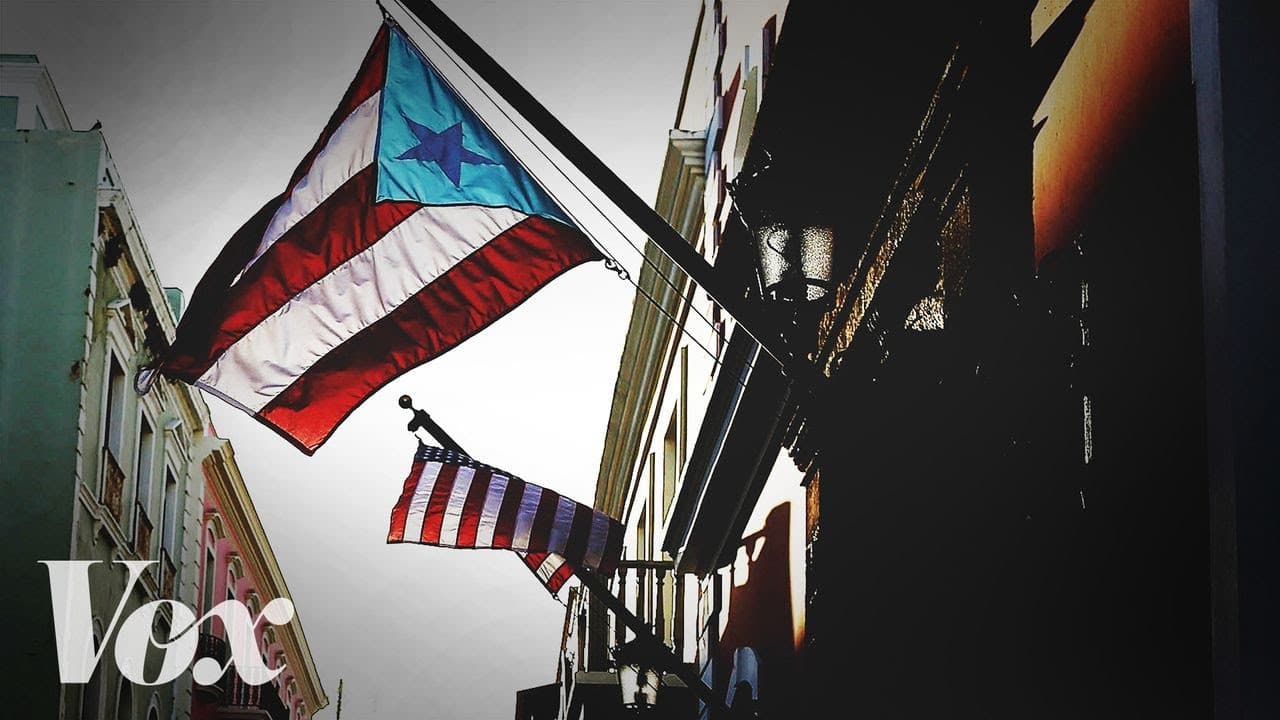
Why Puerto Rico is not a US state
TL;DR
Puerto Rico's statehood is hindered by political and historical complexities.
Transcript
I favor statehood for Puerto Rico. The people of Puerto Rico should have the right to determine their own political future. When the people of Puerto Rico make a clear decision my administration will stand by you. It may seem that US politicians support Puerto Rico's right to decide its future and would even welcome Porto Rico as a US state, but th... Read More
Key Insights
- Puerto Rico is an American Commonwealth, not a state, which affects its citizens' rights and representation in federal government.
- Despite being US citizens, Puerto Ricans in Puerto Rico cannot vote in presidential elections or have full congressional representation.
- Puerto Ricans are divided on the island's status, with recent referendums showing mixed support for statehood and Commonwealth status.
- Congress has largely ignored Puerto Rico's statehood status, making referendums non-binding and without immediate political impact.
- Economic challenges in Puerto Rico are exacerbated by reduced federal support and austerity measures, leading to increased migration to the mainland US.
- Puerto Ricans relocating to the mainland gain full voting rights, potentially increasing their political influence in federal elections.
- Statehood advocates seek full representation in Congress, while Commonwealth supporters aim for parity without losing cultural identity.
- Puerto Rico's complex relationship with the US affects its development and prosperity, highlighting the need for political and economic reforms.
Install to Summarize YouTube Videos and Get Transcripts
Explore YouTube Video Summarizer or Get YouTube Transcript Extractor
Questions & Answers
Q: Why can't Puerto Ricans vote in presidential elections?
Puerto Ricans living on the island cannot vote in presidential elections because Puerto Rico is a US Commonwealth, not a state. While they are US citizens, their lack of statehood means they do not have full voting rights in federal elections, including for the president.
Q: What is the significance of Puerto Rico's status as a Commonwealth?
As a Commonwealth, Puerto Rico has a unique political status that grants its residents US citizenship but limits their federal representation. This status means Puerto Ricans can participate in presidential primaries but not in the general presidential election, and they have no voting representation in Congress.
Q: How has Congress responded to Puerto Rico's statehood referendums?
Congress has largely ignored Puerto Rico's statehood referendums, making the results non-binding. Despite multiple referendums showing varying levels of support for statehood, Congress has not taken significant action to change Puerto Rico's status, leaving the island in a political limbo.
Q: What are the economic challenges facing Puerto Rico?
Puerto Rico faces significant economic challenges, including a shrinking economy, high debt levels, and reduced federal support. Austerity measures imposed by a Congress-appointed board have led to cuts in health and education spending, exacerbating the island's financial struggles and prompting migration to the mainland US.
Q: How does migration to the mainland US affect Puerto Ricans' political influence?
Migration to the mainland US allows Puerto Ricans to gain full voting rights, including in presidential elections, thereby increasing their political influence. As more Puerto Ricans relocate, they can impact federal politics and potentially advocate for changes affecting Puerto Rico's status and rights.
Q: What do statehood advocates in Puerto Rico seek?
Statehood advocates in Puerto Rico seek full representation in Congress, including voting rights in federal elections and the ability to elect representatives with voting power. They argue that statehood would provide equal rights and benefits to Puerto Ricans, similar to those enjoyed by residents of US states.
Q: What are the arguments of Commonwealth supporters in Puerto Rico?
Commonwealth supporters in Puerto Rico argue for increased parity and federal support without sacrificing their cultural identity. They seek to maintain the island's unique status while advocating for equal treatment and benefits, balancing political rights with preserving Puerto Rico's distinct cultural and national identity.
Q: How does Puerto Rico's relationship with the US affect its development?
Puerto Rico's relationship with the US, characterized by limited political representation and economic dependence, affects its development and prosperity. The island's Commonwealth status leads to challenges in receiving federal support and investment, highlighting the need for reforms to improve economic conditions and political rights.
Summary & Key Takeaways
-
Puerto Rico, a US Commonwealth, faces challenges due to its unique political status, affecting citizens' rights and federal representation. Despite being US citizens, Puerto Ricans cannot vote in presidential elections or have full congressional representation, leading to debates on statehood versus Commonwealth status.
-
Recent referendums show mixed support for Puerto Rican statehood, but Congress has largely ignored these results, making them non-binding. Economic struggles, worsened by reduced federal support and austerity measures, drive Puerto Ricans to relocate to the mainland, where they gain full voting rights.
-
Statehood advocates in Puerto Rico seek full congressional representation, while Commonwealth supporters aim for parity without losing cultural identity. The island's relationship with the US impacts its development and prosperity, highlighting the need for political and economic reforms.
Read in Other Languages (beta)
Share This Summary 📚
Summarize YouTube Videos and Get Video Transcripts with 1-Click
Try YouTube Summary with ChatGPT & Claude or YouTube Transcript Generator
Explore More Summaries from Vox 📚

Summarize YouTube Videos and Get Video Transcripts with 1-Click
Try YouTube Summary with ChatGPT & Claude or YouTube Transcript Generator