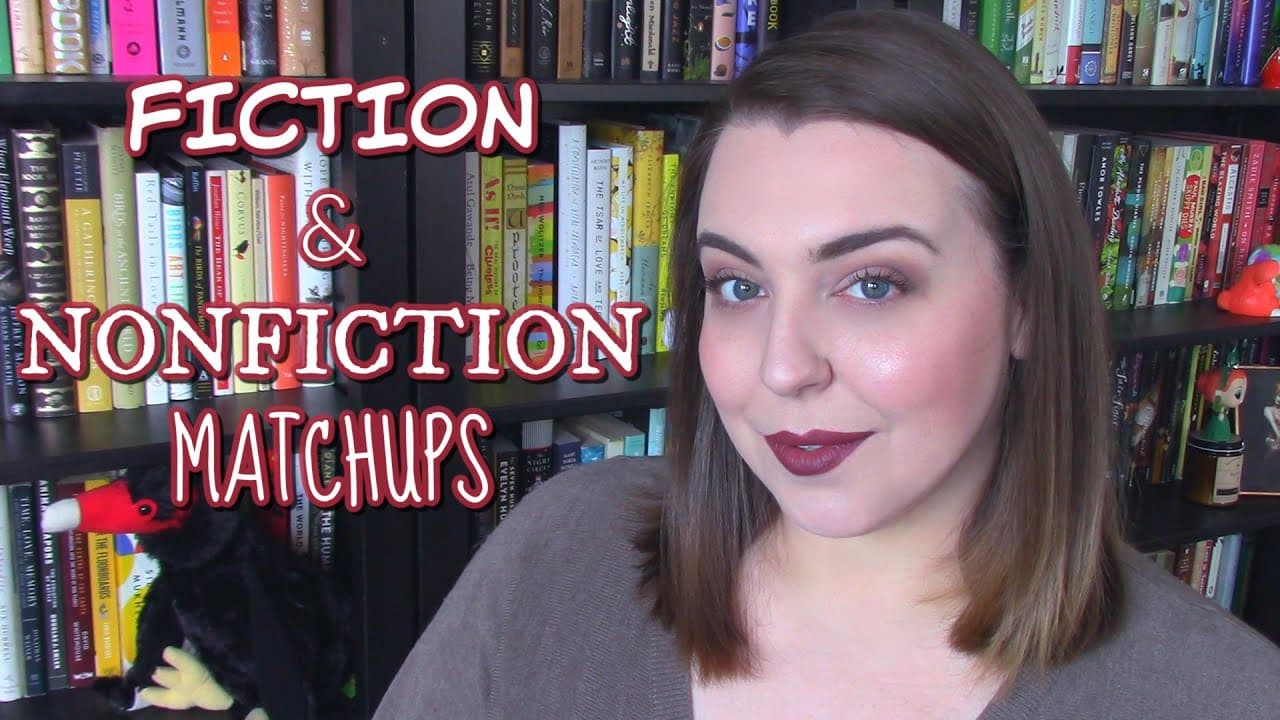
Fiction & Nonfiction Matchups
TL;DR
Get more out of your reading experience by pairing fiction and non-fiction books that share similar themes or subjects.
Transcript
hi guys olive here here today to talk about fiction and non-fiction match-ups i've done several videos like this in the past but in case this is the first one you've ever seen the basic idea is that you pick at least one fiction book and at least one non-fiction book that are similar in some kind of a way you read them either at the exact same time... Read More
Key Insights
- 📔 Pairing fiction and non-fiction books enhances the reading experience by providing different perspectives on a subject or theme.
- 👻 The recommended pairings include books that explore similar themes or time periods, allowing readers to delve deeper into the subject matter.
- 🫠 Reading books in pairs can help readers gain a better understanding of historical contexts, cultural influences, and personal experiences related to the chosen topic.
- 🧡 The videos provide a range of fiction and non-fiction pairings, catering to various interests and genres.
- 📔 Pairing books that share common themes or subjects can offer unique insights and connections between the two genres.
- 🫠 Reading books in pairs encourages critical thinking and analysis, as readers compare and contrast different perspectives and narratives.
- ⌛ Fiction and non-fiction pairings can be enjoyed at any time, but some suggestions, like spooky books for October, add an extra layer of thematic enjoyment.
Install to Summarize YouTube Videos and Get Transcripts
Explore YouTube Video Summarizer or Get YouTube Transcript Extractor
Questions & Answers
Q: Why should I pair fiction and non-fiction books?
Pairing fiction and non-fiction books allows readers to gain a deeper understanding of a subject or theme by exploring it from different perspectives. It enhances the reading experience and provides a more comprehensive view of a topic or era.
Q: How do I choose which books to pair together?
While it may be difficult to know ahead of time which books will make a good match, you can look for fiction books that were influenced by or drew inspiration from non-fiction works. Additionally, books that explore similar themes or have overlapping subjects can also make for interesting pairings.
Q: What are some benefits of reading books in pairs?
Reading books in pairs allows readers to see how fiction and non-fiction can complement and inform each other. It provides a multifaceted perspective on a topic, encourages critical thinking, and can lead to new insights and connections between the two genres.
Q: Should I read the fiction or non-fiction book first in a pairing?
It is recommended to read the fiction book first and then move on to the non-fiction book. This way, you can fully immerse yourself in the story without any potential spoilers or biases from the non-fiction content. Reading them in close proximity allows for a more cohesive reading experience.
Summary & Key Takeaways
-
The video discusses the concept of pairing fiction and non-fiction books to enhance the reading experience.
-
The content provides five pairings of books that work well together, including "Affinity" by Sarah Waters with "Spook" by Mary Roach, "If I Had Your Face" by Francis Cha with "Beauty" by Brie Lee, and a trio of books: "The Signature of All Things" by Elizabeth Gilbert with "Gathering Moss" by Robin Wall Kimmerer and "Sea People" by Christina Thompson.
-
The video also recommends pairing "Florence Adler Swims Forever" by Rachel Beanland with "The Great Swim" by Gavin Mortimer, as well as reading "The Bell Jar" by Sylvia Plath alongside the biography "Red Comet" by Heather Clark.
Read in Other Languages (beta)
Share This Summary 📚
Summarize YouTube Videos and Get Video Transcripts with 1-Click
Try YouTube Summary with ChatGPT & Claude or YouTube Transcript Generator
Explore More Summaries from abookolive 📚
Summarize YouTube Videos and Get Video Transcripts with 1-Click
Try YouTube Summary with ChatGPT & Claude or YouTube Transcript Generator