Why "biofabrication" is the next industrial revolution | Suzanne Lee
TL;DR
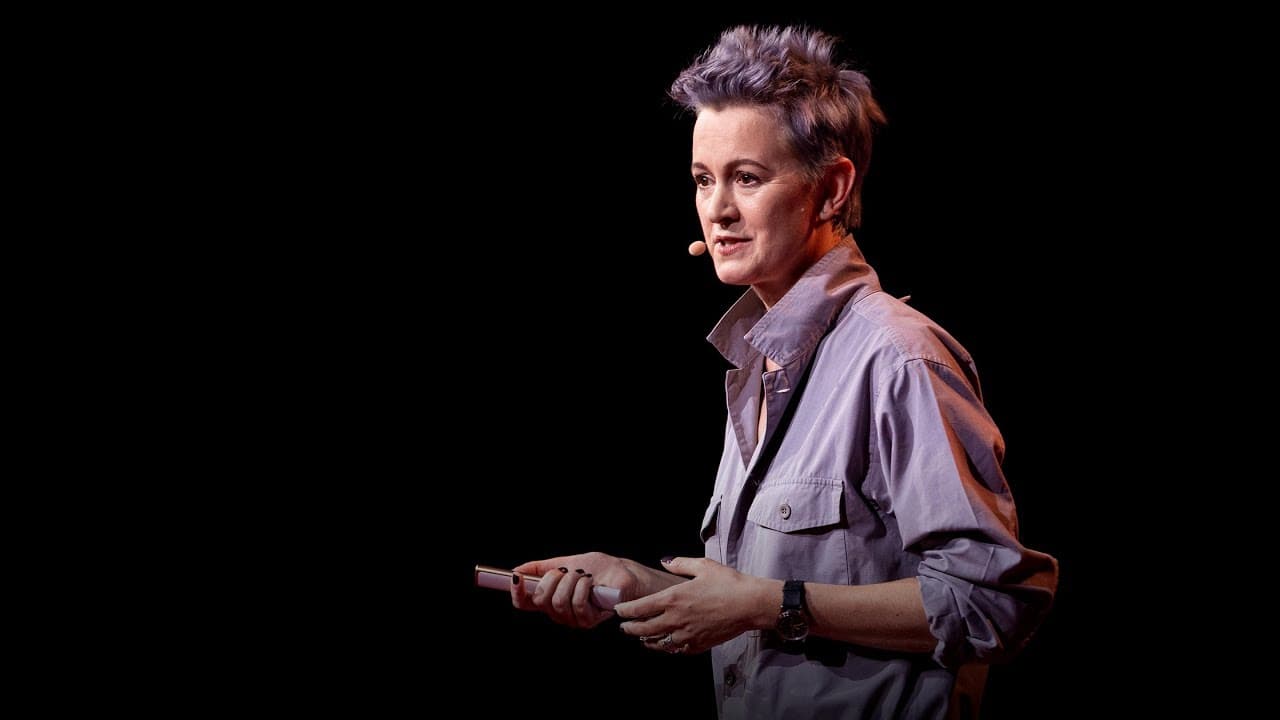
In this talk, the speaker discusses the concept of biofabrication and its potential to revolutionize material production and design.
Transcript
I started life as a fashion designer, working closely with textile designers and fabric suppliers. But today, I can no longer see or talk to my new collaborators, because they're in the soil beneath our feet, on the shelves of our supermarkets and in the beer I'm going to drink when I finish this talk. I'm talking about microbes and designing with ... Read More
Key Insights
- 🌱 Biofabrication is a radical manufacturing proposition that involves growing materials directly with living organisms instead of processing plants, animals, or oil. This offers significant resource efficiencies and reduces waste.
- 🍄 Using mycelium, the root system of fungi, to bind together agricultural byproducts can create materials like foams and leather without animals. These materials are naturally fire retardant, hydrophobic, and have higher melt temperatures than plastics.
- 🧱 Biofabricated bricks made using a soil microbe and loose aggregates are nearly three times stronger than concrete blocks and store more carbon than they emit. Replacing traditional bricks with biofabricated ones could significantly reduce CO2 emissions.
- 🌿 Architects are designing buildings with surface structures that invite healthy microbes, creating thriving ecosystems and improving passive climate control, stormwater management, and energy efficiency.
- 🛍️ Biofabrication is not limited to fashion and construction; it can be used in various industries such as packaging, footwear, and furniture. Biofabricated products can be grown locally, utilizing local resources and reducing environmental impact.
- 💡 The 21st-century material revolution is driven by start-ups with small teams and limited capital, including artists, architects, and designers. Over a billion dollars have been invested in biofabrication start-ups for consumer products.
- ♻️ Materials that can't be recycled or composted at home should be rejected. The focus should be on designing materials that prioritize human and environmental health and can be sustainably produced and disposed of.
- ✨ A material revolution is necessary to create a future that is sustainable and environmentally friendly. More collaboration between designers, scientists, investors, and brands is needed to drive innovation and make this future a reality.
Install to Summarize YouTube Videos and Get Transcripts
Explore YouTube Video Summarizer or Get YouTube Transcript Extractor
Questions & Answers
Q: What is biofabrication?
Biofabrication is the process of growing materials directly with living organisms, such as bacteria, algae, fungi, and yeast, instead of processing plants, animals, or oil to make consumer materials. It involves using biotechnology and designing initial conditions for growth to efficiently produce sustainable and useful materials.
Q: How does biofabrication differ from traditional fabric production?
Biofabrication offers significant resource efficiencies compared to traditional methods of fabric production. While traditional production involves growing a plant like cotton in a field over several months, followed by harvesting, processing, shipping, and manufacturing, biofabrication allows for the growth of materials in a lab in a matter of days. This reduces water, energy, and chemical usage, and generates zero waste.
Q: What are some examples of biofabricated materials?
A growing community of innovators is exploring biofabrication with various living organisms. For example, companies are growing mushroom materials using mycelium, the root system of fungi, to bind agricultural byproducts and replace plastics in footwear, packaging, and more. Additionally, fungi can naturally grow materials that are fire retardant, hydrophobic, and have higher melt temperatures than plastics, offering sustainable alternatives in various industries.
Q: How can biofabrication contribute to sustainability in construction?
Biofabricated materials extend to construction, where biofabricated bricks have been developed as an eco-friendly alternative to traditional concrete blocks. These bricks are grown using a soil microbe that transforms loose aggregates into a solid brick at room temperature in just a couple of days. Not only are these biofabricated bricks nearly three times stronger than concrete blocks, but they also store more carbon than they emit, leading to reduced CO2 emissions if widely adopted.
Q: Who is leading the 21st-century material revolution through biofabrication?
The material revolution through biofabrication is being led by start-ups with small teams and limited capital, including founders who are artists, architects, and designers, not just scientists. Over a billion dollars has already been invested in these start-ups, showing the growing interest and potential in biofabricating consumer products. This democratizes and diversifies the material innovation landscape, moving away from being solely within the realm of powerful multinational companies.
Summary & Key Takeaways
-
The speaker transitioned from being a fashion designer to designing with microbes and exploring biofabrication.
-
Biofabrication involves growing materials directly from living organisms rather than processing plants, animals, or oil.
-
Biofabricated materials offer resource efficiencies, reduced waste, and potential replacements for plastics and CO2-emitting materials in various industries.
Read in Other Languages (beta)
Share This Summary 📚
Summarize YouTube Videos and Get Video Transcripts with 1-Click
Try YouTube Summary with ChatGPT & Claude or YouTube Transcript Generator
Explore More Summaries from TED 📚





Summarize YouTube Videos and Get Video Transcripts with 1-Click
Try YouTube Summary with ChatGPT & Claude or YouTube Transcript Generator