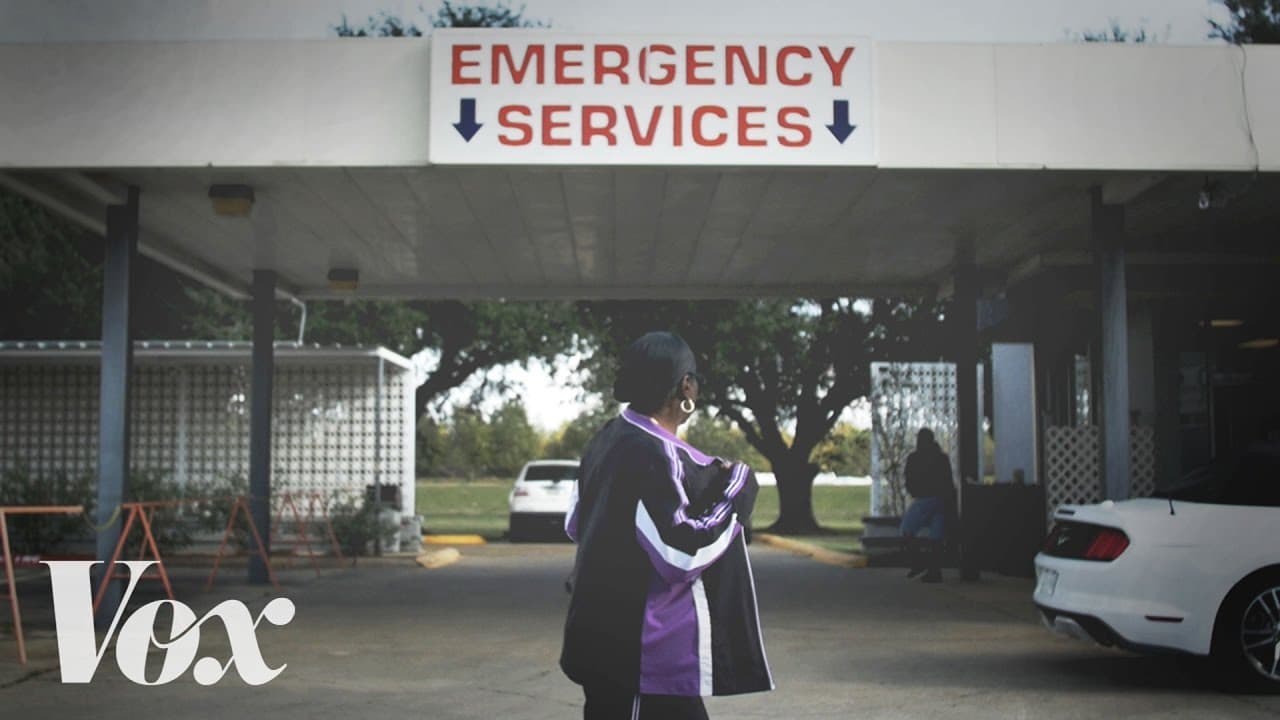
How one of America's least healthy counties got so sick
TL;DR
Concordia suffers from severe health issues due to systemic neglect.
Transcript
If you’re living in a house where your wastewater runs into your yard, that means you’re at a higher risk for diseases like cholera, e. Coli, for diarrhea. These are diseases we typically associate with developing country settings, and not with the wealthiest country in the world. So the waste just comes out of your house and into your backyard. An... Read More
Key Insights
- Concordia Parish faces severe public health challenges, with high rates of infant mortality, poverty, obesity, and unemployment, exacerbated by systemic political neglect.
- Residents of Concordia experience third-world conditions, such as untreated wastewater in yards, leading to diseases like cholera and E. coli, despite living in a wealthy nation.
- A significant portion of Concordia's population lacks access to clean drinking water, relying on water tanks provided by the National Guard to avoid illness.
- Political decisions, such as cuts in government jobs and refusal to expand Medicaid, have worsened health outcomes in Concordia, highlighting the impact of policy on public health.
- Concordia's residents feel abandoned by local and federal governments, with repeated pleas for assistance going unanswered, leaving them without necessary health infrastructure.
- The dismantling of Louisiana's charity hospital system and reduction in public health staff have left vulnerable populations without adequate healthcare access.
- The socioeconomic and racial disparities in Concordia are stark, with African American communities disproportionately affected by poor health outcomes and systemic neglect.
- Concordia's struggles illustrate broader national issues, where certain communities are overlooked in political discourse, despite facing long-standing and complex health challenges.
Install to Summarize YouTube Videos and Get Transcripts
Explore YouTube Video Summarizer or Get YouTube Transcript Extractor
Questions & Answers
Q: What are the main health issues faced by Concordia Parish?
Concordia Parish struggles with significant public health issues, including high infant mortality rates, widespread poverty, obesity, and a lack of access to clean drinking water. These problems are compounded by untreated wastewater exposure, which increases the risk of diseases like cholera and E. coli, creating conditions more typical of developing countries.
Q: How have political decisions affected Concordia's health outcomes?
Political decisions have severely impacted Concordia's health outcomes. Cuts to government jobs and the refusal to expand Medicaid have left residents without adequate healthcare access. The dismantling of the charity hospital system and reduction in public health staff have further exacerbated the situation, highlighting the critical role of policy in public health.
Q: Why do Concordia's residents feel abandoned by the government?
Residents of Concordia feel abandoned due to repeated failures of local and federal governments to address their health and infrastructure needs. Despite numerous pleas for assistance with issues like sewage systems and clean water, their concerns have been ignored, leaving them without essential services and exacerbating their health crisis.
Q: What role does socioeconomic status play in Concordia's health crisis?
Socioeconomic status plays a significant role in Concordia's health crisis. High poverty rates, low education levels, and limited job opportunities contribute to poor health outcomes. These factors, coupled with systemic neglect, create a cycle of disadvantage, particularly affecting African American communities, which face disproportionate health challenges.
Q: How does Concordia's situation reflect broader national issues?
Concordia's situation reflects broader national issues of systemic neglect in certain communities. Despite facing severe health challenges, such areas receive little political attention. This neglect highlights the need for comprehensive policy interventions to address the complex and long-standing issues affecting health, education, and economic status in these regions.
Q: What are the racial disparities in Concordia's health outcomes?
Racial disparities in Concordia are pronounced, with African American communities facing higher rates of poor health outcomes. These disparities are linked to systemic neglect, socioeconomic disadvantage, and limited access to healthcare. The situation underscores the need for targeted interventions to address racial inequities in health and wellbeing.
Q: How have healthcare services changed in Louisiana under different governors?
Under Governor Bobby Jindal, Louisiana saw significant cuts to healthcare services, including the dismantling of the charity hospital system and reduced public health staff. His successor, John Bel Edwards, expanded Medicaid, providing health insurance to over 300,000 people. However, potential repeals of Obamacare threaten these gains, putting many at risk of losing coverage.
Q: What are the implications of Concordia's health challenges for future policy?
Concordia's health challenges emphasize the urgent need for policy reform to address systemic neglect and health disparities. Future policies should focus on expanding healthcare access, improving infrastructure, and addressing socioeconomic inequalities. Without intervention, communities like Concordia risk further deterioration, highlighting the critical role of government in safeguarding public health.
Summary & Key Takeaways
-
Concordia Parish in Louisiana is one of America's unhealthiest counties, plagued by high infant mortality, poverty, and lack of access to clean water. Systemic political neglect and policy failures have exacerbated these issues, leaving residents without adequate healthcare and infrastructure, despite living in one of the wealthiest countries in the world.
-
The health crisis in Concordia is a result of both socioeconomic and political factors. Residents face conditions akin to those in developing countries, with untreated wastewater and insufficient clean drinking water. Political decisions, including cuts to public health services and refusal to expand Medicaid, have further deteriorated health outcomes.
-
Concordia's situation highlights the broader issue of neglected communities in America. Despite significant health challenges, these areas receive little political attention. The disparities in health, education, and economic status are stark, particularly affecting African American populations, illustrating systemic inequality and the urgent need for policy intervention.
Read in Other Languages (beta)
Share This Summary 📚
Summarize YouTube Videos and Get Video Transcripts with 1-Click
Try YouTube Summary with ChatGPT & Claude or YouTube Transcript Generator
Explore More Summaries from Vox 📚



Summarize YouTube Videos and Get Video Transcripts with 1-Click
Try YouTube Summary with ChatGPT & Claude or YouTube Transcript Generator