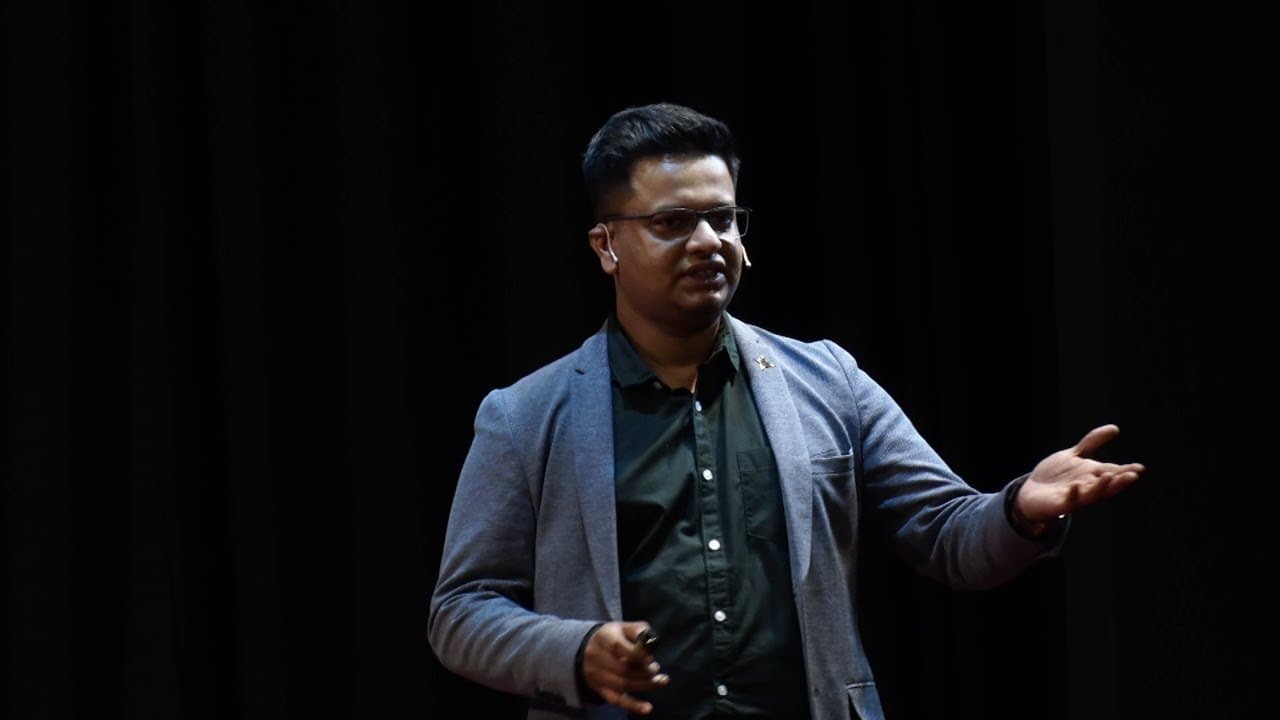
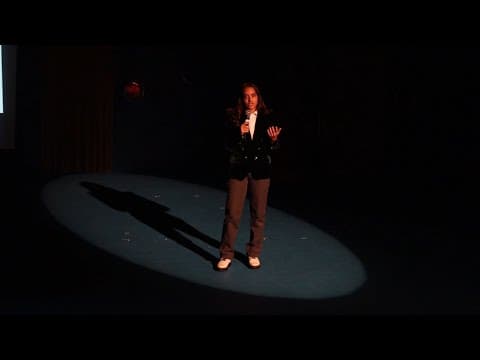
3 Musketeers of Operating room | AI-Surgeon-Robot | Saurya Mishra | TEDxElproIntlSchool
TL;DR
Surgery is a scary and unpredictable process, but robotics and AI are changing the field and improving outcomes.
Transcript
most of us will have at least two major surgeries during our lifetime this is a fact of life this was published by the lancen report along with the World Health Organization and this is something very very scary in fact surgery itself is scary right we have all been on either this side of the door or the other right there is a sense of fear apprehe... Read More
Key Insights
- 🛟 Surgery is a common occurrence in our lives, and it is important to understand its advancements and limitations.
- ❓ Surgeons possess extensive clinical knowledge, creativity, execution skills, and leadership abilities.
- 🤖 Surgical robots provide better vision, dexterity, and precision in surgeries, enhancing outcomes.
- ❓ AI is being integrated into surgery to improve efficiency, decision-making, and surgical outcomes.
- 💨 However, there is still a long way to go in achieving full autonomy in surgical robotics.
- 🎭 Less than 3% of surgeries that can be done through robotic procedures are currently being performed.
- 😨 Access to proper surgical care is still limited for more than half of the world's population.
Install to Summarize YouTube Videos and Get Transcripts
Explore YouTube Video Summarizer or Get YouTube Transcript Extractor
Questions & Answers
Q: How are robotics and AI changing the field of surgery?
Robotics and AI are improving surgical outcomes by providing better visualization, precision, and dexterity in procedures. They are also being used for telecontrolled surgeries and for identifying tissues during cancer surgeries.
Q: What are the limitations of surgeons?
Surgeons have limitations in vision, precision, endurance, and data processing. The human eye has limited perception and magnification abilities, and the human body's size restricts certain procedures. Surgeons also have physical limitations and can only process a limited amount of data.
Q: What are the different levels of autonomy in AI?
The different levels of autonomy in AI include supervised autonomy, shared autonomy, conditional autonomy, high autonomy, and full autonomy. Surgical robotics are currently at the conditional autonomy level, where human intervention is sometimes required.
Q: What are some examples of advancements in surgical robotics?
Advancements in surgical robotics include performing eye surgery through a small incision, identifying tissue types during cancer surgery, telecontrolled surgeries across long distances, and surgeries without incisions, such as lung cancer surgeries.
Summary & Key Takeaways
-
Surgery is a common occurrence in our lives, and it is important to understand more about it.
-
The surgeon is the skilled professional who has extensive clinical knowledge, creativity, excellent execution skills, and leadership abilities. However, surgeons also have limitations.
-
Surgical robots are loyal assistants to surgeons, providing better vision, dexterity, and precision. AI is also being integrated into surgery to enhance outcomes.
Read in Other Languages (beta)
Share This Summary 📚
Summarize YouTube Videos and Get Video Transcripts with 1-Click
Try YouTube Summary with ChatGPT & Claude or YouTube Transcript Generator
Explore More Summaries from TEDx Talks 📚


Summarize YouTube Videos and Get Video Transcripts with 1-Click
Try YouTube Summary with ChatGPT & Claude or YouTube Transcript Generator