Atomic Mass: Introduction
TL;DR
Atomic mass is the weighted average of the masses of different isotopes of an element, and it is calculated by multiplying the mass of each isotope by its percent abundance and summing them.
Transcript
In this video, we're going to talk about atomic mass. Now sometimes people call atomic mass by other names; your teacher might call it one of these things instead. Atomic mass is a really important characteristic for elements. Each element like Copper, Oxygen, Sulfur, and so forth has its own atomic mass and atomic mass is this number that's writte... Read More
Key Insights
- 🫀 Atomic mass is a characteristic of elements and is represented by the number on the periodic table.
- #️⃣ Isotopes are different versions of an element with different numbers of neutrons but the same number of protons.
- 💆 Weighted averages consider both the mass and percent abundance of each isotope when calculating atomic mass.
Install to Summarize YouTube Videos and Get Transcripts
Explore YouTube Video Summarizer or Get YouTube Transcript Extractor
Questions & Answers
Q: What is atomic mass?
Atomic mass is the weighted average of the masses of different isotopes of an element. It is represented by the number on the periodic table and is calculated by multiplying each isotope's mass by its percent abundance and summing them.
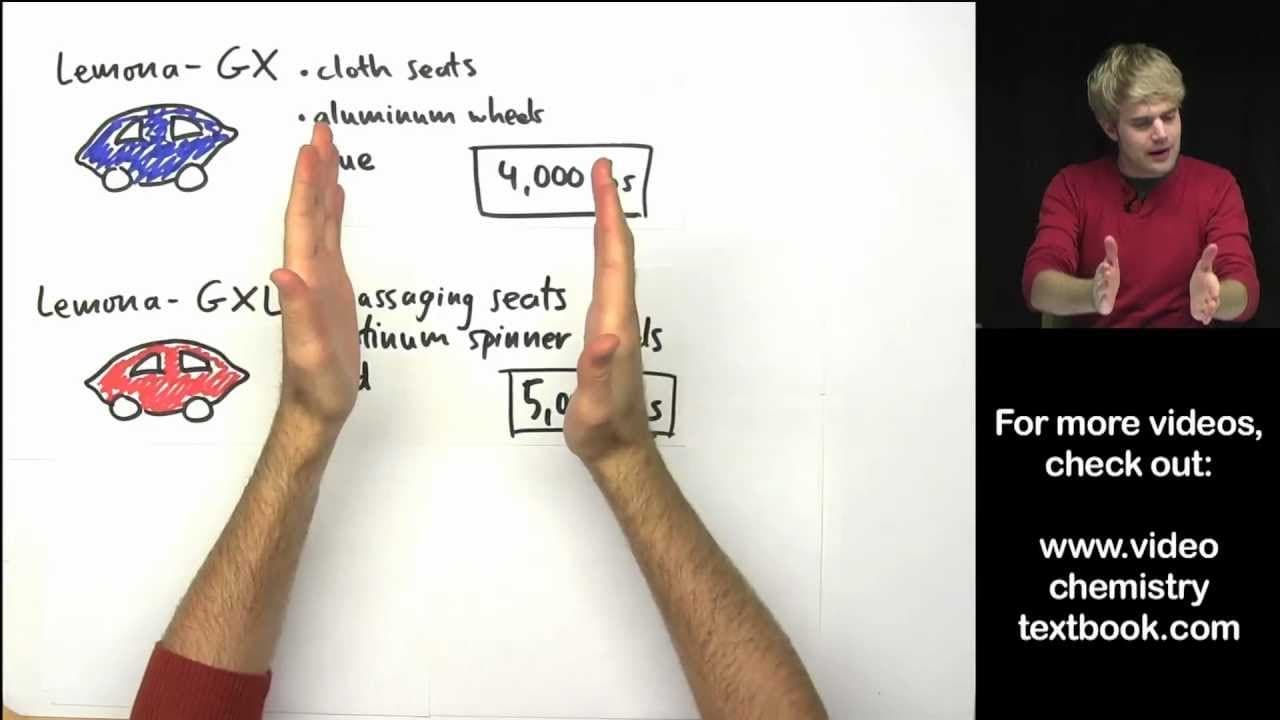
Q: How are isotopes similar to different models of a car?
Just as different car models have unique features but share the same shape, isotopes of an element have different numbers of neutrons but the same number of protons. They are considered the same element as long as they have the same number of protons.
Q: What is a weighted average?
A weighted average takes into account both the values being averaged and their respective weights. In the context of atomic mass, it means multiplying the mass of each isotope by its percent abundance and adding them together.
Q: Why does the percent abundance of isotopes affect the weighted average of atomic mass?
The abundances of different isotopes can vary, meaning there may be more or fewer of a certain isotope. The weighted average accounts for this by assigning more weight to more abundant isotopes, impacting the final average value.
Summary & Key Takeaways
-
Atomic mass is an important characteristic of elements and is represented by the number written underneath an element's symbol on the periodic table.
-
Atomic mass is a weighted average of the masses of different isotopes of an element, where isotopes are like different models of a car with similar features.
-
Weighted averages take into account both the mass and percent abundance of each isotope, giving more weight to more abundant isotopes.
Read in Other Languages (beta)
Share This Summary 📚
Summarize YouTube Videos and Get Video Transcripts with 1-Click
Try YouTube Summary with ChatGPT & Claude or YouTube Transcript Generator
Explore More Summaries from Tyler DeWitt 📚

Summarize YouTube Videos and Get Video Transcripts with 1-Click
Try YouTube Summary with ChatGPT & Claude or YouTube Transcript Generator