Vigilance: My Life Serving America and Protecting Its Empire City
TL;DR
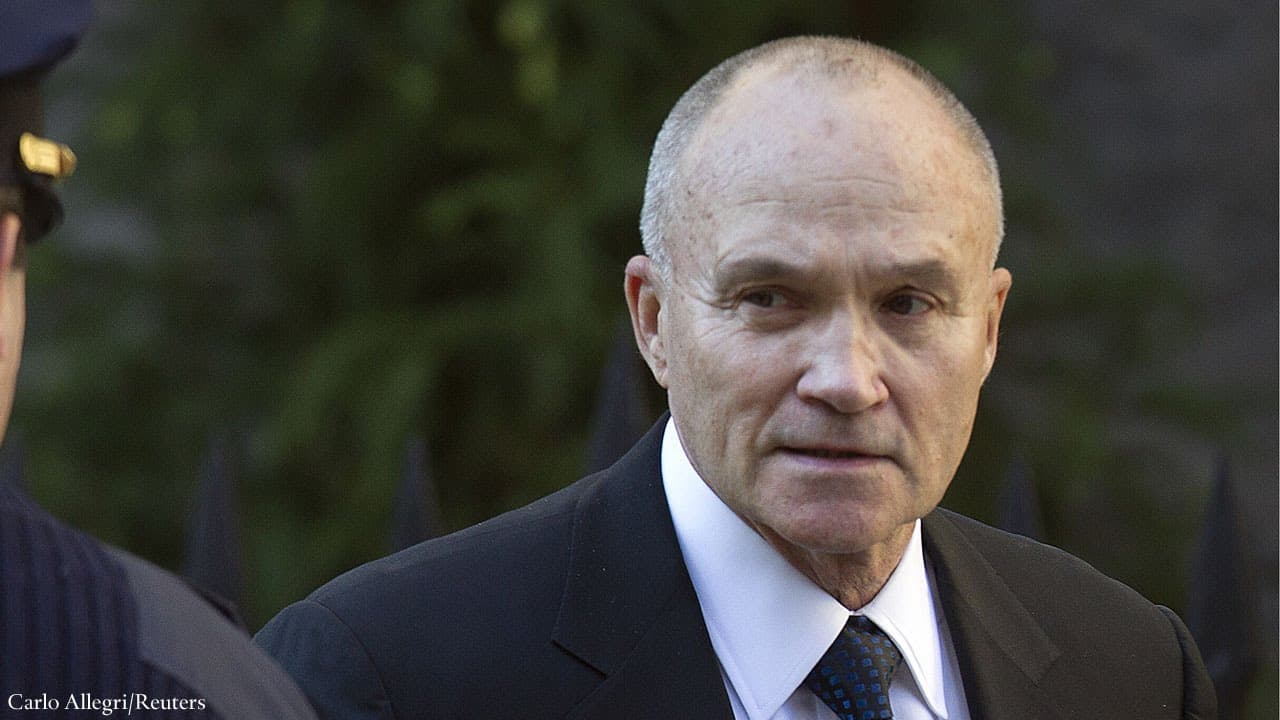
Ray Kelly discusses terrorism, policing, and his memoir.
Transcript
TEMPLE-RASTON: If you could take your seats, we will get ready to get started. So welcome to the Council on Foreign Relations D.C. Fellows' Book Launch Series. We're here to talk to Commissioner Kelly about his new memoir, �Vigilance: My Life Serving America and Protecting Its Empire City.� There's a big poster in the back, I have this one for you,... Read More
Key Insights
- Ray Kelly's memoir provides a comprehensive look at his career in law enforcement, focusing on his role in counterterrorism and community policing.
- Kelly outlines 16 specific terrorist plots foiled during his tenure, emphasizing the threat posed by both al-Qaida and ISIS.
- The discussion highlights the challenges of counterterrorism, particularly the difficulty of identifying radicalized individuals who do not travel abroad.
- Kelly defends the use of stop-question-and-frisk, arguing it is a necessary tool for policing, despite controversies and legal challenges.
- He addresses the complexities of accepting refugees, noting the importance of vetting while acknowledging the challenges involved.
- The international reach of the NYPD, with officers embedded in various countries, is highlighted as a means to gather intelligence and enhance security.
- Kelly supports the use of police body cameras, acknowledging their potential to improve transparency and public trust, despite initial reservations.
- The conversation touches on the evolving nature of policing, including the impact of technology and the need for police officers to have higher education.
Install to Summarize YouTube Videos and Get Transcripts
Explore YouTube Video Summarizer or Get YouTube Transcript Extractor
Questions & Answers
Q: What was the closest terrorist plot during Kelly's tenure?
The closest call was Faisal Shahzad's attempted bombing in Times Square in 2010. Shahzad, a naturalized U.S. citizen of Pakistani origin, attempted to detonate a car bomb but was thwarted by a faulty device. He was arrested two days later while trying to flee the country.
Q: How does Kelly view the threat of ISIS compared to al-Qaida?
Kelly sees both ISIS and al-Qaida as significant threats, though their operational styles differ. ISIS operates more openly, recruiting for a standing army, while al-Qaida remains more clandestine. Regardless, both groups pose serious risks to U.S. security.
Q: What is Kelly's stance on stop-question-and-frisk?
Kelly defends the practice as a crucial tool for law enforcement, arguing it is based on legal precedents and necessary for preventing crime. He disputes claims of racial profiling and emphasizes the importance of the practice in reducing crime rates during his tenure.
Q: How does Kelly justify the NYPD's international presence?
Kelly justifies the NYPD's international presence as a means to gather intelligence and protect New York City. Officers are embedded with local police in various countries, acting as tripwires for potential threats and providing rapid information in case of terrorist events.
Q: What is Kelly's opinion on police body cameras?
Initially hesitant, Kelly now supports the use of body cameras, acknowledging their potential to enhance transparency and public trust. He believes cameras will showcase more positive police actions than negative ones, despite concerns about their impact on officer decision-making.
Q: What are Kelly's thoughts on police-community relations?
Kelly acknowledges the challenges in police-community relations, particularly in communities of color. He believes that initiatives like body cameras can help build trust over time, but recognizes the need for continued efforts to improve these relationships.
Q: Why does Kelly advocate for police officers having college degrees?
Kelly argues that the complexity of modern policing requires officers to be well-educated. He believes a college degree equips officers with the necessary skills to understand legal and technological aspects of their job, similar to the qualifications required for teachers.
Q: What is Kelly's view on the incarceration system?
Kelly acknowledges issues with the incarceration system, particularly for non-violent drug offenses. He supports focusing on violent crime for incarceration, suggesting that the system should be more discerning in its approach to non-violent offenders, particularly in drug-related cases.
Summary & Key Takeaways
-
Ray Kelly discusses his memoir, focusing on his time as New York City's police commissioner and his efforts to combat terrorism. He highlights the foiling of 16 terrorist plots and the challenges of dealing with radicalized individuals.
-
The conversation covers the use of stop-question-and-frisk, with Kelly defending its necessity despite controversies. He also addresses the complexities of accepting refugees and the importance of vetting them.
-
Kelly emphasizes the international intelligence efforts of the NYPD, the role of technology in policing, and the potential benefits of police body cameras in improving transparency and public trust.
Read in Other Languages (beta)
Share This Summary 📚
Summarize YouTube Videos and Get Video Transcripts with 1-Click
Try YouTube Summary with ChatGPT & Claude or YouTube Transcript Generator
Explore More Summaries from Council on Foreign Relations 📚


Summarize YouTube Videos and Get Video Transcripts with 1-Click
Try YouTube Summary with ChatGPT & Claude or YouTube Transcript Generator