Rationing in WWII (British Homefront)
TL;DR
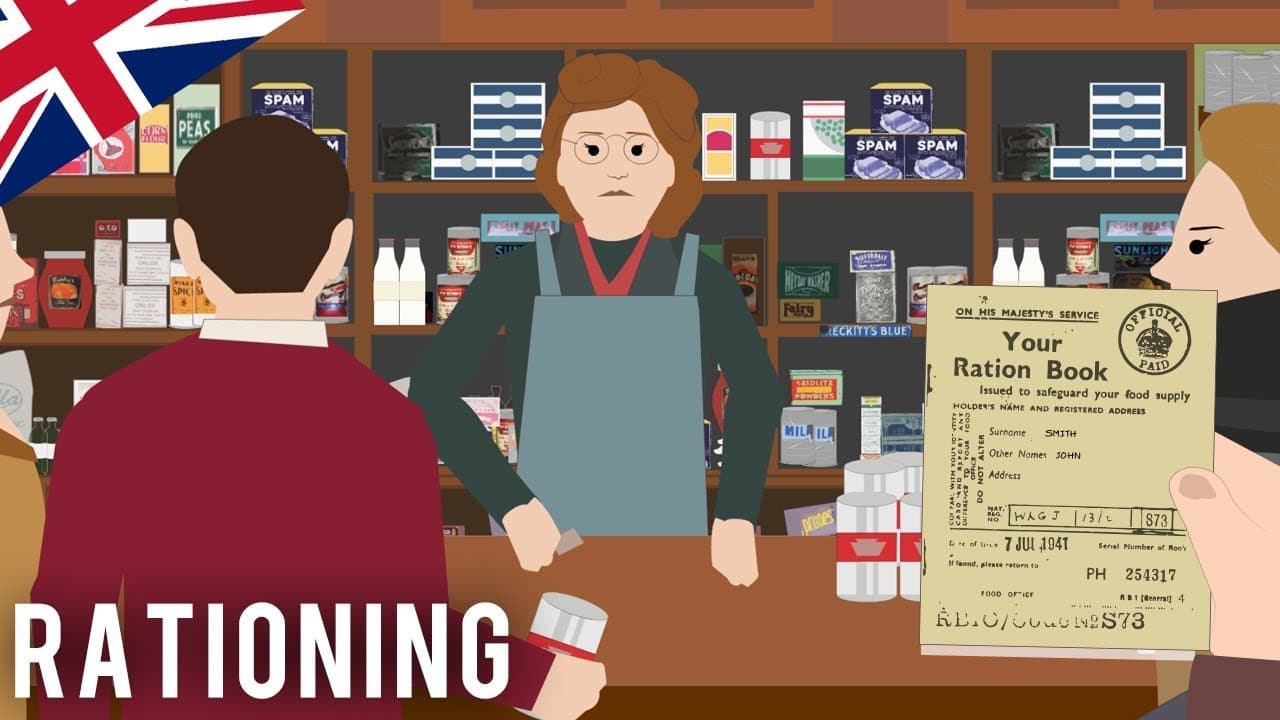
During World War Two, rationing played a key role in the preparation and survival of the British homefront, ensuring fair distribution of food and supplies for the nation.
Transcript
rationing British homefront world war two though much of the second world war was fought in Europe and across the globe precautions were taken in Britain on the homefront to ensure readiness against all the domestic dangers that the nation might face during war between 1938 and 1939 the government started to take precautions and began planning for ... Read More
Key Insights
- 🫱 Preparations for rationing and the homefront began in 1938-1939, showing the British government's proactive approach to war readiness.
- 😋 Rationing was necessary due to wartime shortages and the reliance on imported food supplies, which were disrupted by German U-boats.
- 🥳 Rationing ensured fair distribution and prevented hoarding, but it also led to the emergence of a black market and creative ways to cope with shortages.
- 😋 Rationing extended beyond food to other items like petrol and clothes, reflecting the government's control over resources during the war.
Install to Summarize YouTube Videos and Get Transcripts
Explore YouTube Video Summarizer or Get YouTube Transcript Extractor
Questions & Answers
Q: Why did the British government introduce rationing in World War Two?
Rationing was introduced to cope with wartime shortages and ensure fair distribution of food and supplies for both the Armed Forces and civilian population.
Q: How did rationing work in Britain during World War Two?
Everyone received ration books with coupons, and each person had to register at a shop to control the distribution of rationed items. This system aimed to prevent hoarding and ensure fair distribution.
Q: What were some of the rationed items during World War Two in Britain?
Rationed items included bacon, butter, sugar, milk, meat, cheese, eggs, and cooking fat. Each person had a weekly allowance based on their needs.
Q: How long did rationing continue in Britain after the war?
Rationing continued until 1954 due to the damaged economy and high debts owed by Britain. It took time for the country to recover and stabilize.
Summary & Key Takeaways
-
The British government began planning for wartime and rationing in 1938-1939, learning from the mistakes of the First World War.
-
Rationing was introduced on January 8th, 1940, to cope with wartime shortages and ensure fair distribution of food and supplies.
-
Ration books were distributed to everyone, and individual rationing allowed each person to obtain their full share.
Read in Other Languages (beta)
Share This Summary 📚
Summarize YouTube Videos and Get Video Transcripts with 1-Click
Try YouTube Summary with ChatGPT & Claude or YouTube Transcript Generator
Explore More Summaries from Simple History 📚

Summarize YouTube Videos and Get Video Transcripts with 1-Click
Try YouTube Summary with ChatGPT & Claude or YouTube Transcript Generator