Campaign 2012: Immigration
TL;DR
Comprehensive immigration reform remains elusive, with piecemeal solutions likely.
Transcript
Each of the past three times that a new president has taken office, he has promised a major reform of U.S. immigration laws. When President George W. Bush took office in 2001, he immediately entered into negotiations with his friend President Vicente Fox of Mexico to try to reach a comprehensive accord that would legalize many of the eleven million... Read More
Key Insights
- Successive U.S. presidents have promised comprehensive immigration reform, but political and external factors have repeatedly stalled these efforts.
- President George W. Bush attempted to negotiate an immigration accord with Mexico, but 9/11 derailed the initiative, and later efforts faced political opposition.
- Barack Obama prioritized other issues over immigration reform, and lacked Republican support in Congress for substantial changes.
- Future immigration reform is expected to focus on piecemeal solutions, particularly in high-skilled immigration, rather than comprehensive legislation.
- High-skilled immigrants, particularly from China and India, face long waits for green cards, though recent bipartisan bills aim to ease these backlogs.
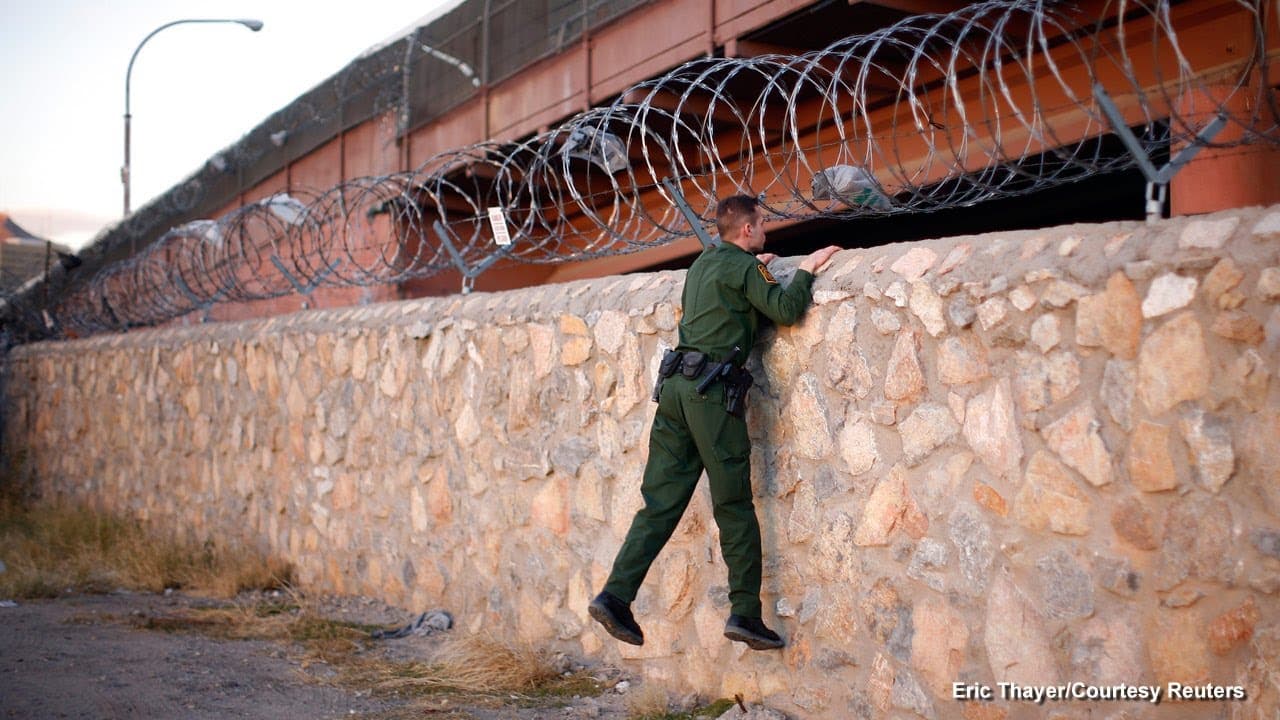
- U.S. border security has improved, with illegal crossings significantly reduced, yet the challenge of dealing with settled illegal immigrants persists.
- Deportation efforts are costly and ineffective, as they fail to address the root problems of illegal immigration and disrupt families.
- A sustainable solution for the legacy illegal immigrant population requires unprecedented leadership from the president and Congress.
Install to Summarize YouTube Videos and Get Transcripts
Explore YouTube Video Summarizer or Get YouTube Transcript Extractor
Questions & Answers
Q: What were President George W. Bush's efforts towards immigration reform?
President George W. Bush initially sought a comprehensive immigration reform in collaboration with Mexico's President Vicente Fox, aiming to legalize many illegal migrants and establish a guest worker program. However, the 9/11 terrorist attacks diverted attention away from this initiative, and later attempts to pass reform through Congress faced insufficient support within his own party.
Q: Why did President Obama not prioritize immigration reform during his first term?
President Obama did not prioritize immigration reform during his first term due to the financial crisis and the focus on healthcare reform. These pressing issues took precedence, and despite promises, immigration reform was pushed to the back burner. Additionally, there was a lack of Republican support in Congress for any significant immigration legislation.
Q: What is the current state of U.S. border security?
U.S. border security has seen significant improvements, with illegal crossings at the Mexico border now a fifth of what they were a decade ago. This reduction in illegal immigration is attributed to enhanced border enforcement measures, making the border more secure than it has been since the early 1970s.
Q: What challenges do high-skilled immigrants face in the U.S.?
High-skilled immigrants, particularly from countries like China and India, face long waiting periods for green cards, often exceeding ten years. This backlog hinders their ability to live and work permanently in the U.S. Recent legislative efforts, backed by bipartisan support, aim to address these delays and improve the process for high-skilled immigration.
Q: What are the implications of deportation efforts on the U.S. economy?
Deportation efforts are costly and offer little economic benefit, as they require significant resources and disrupt families. Many illegal immigrants have deep-rooted connections in the U.S., with jobs, marriages, and children. A focus solely on enforcement overlooks the economic contributions of these individuals and fails to provide a sustainable solution.
Q: Why is comprehensive immigration reform considered unrealistic?
Comprehensive immigration reform is considered unrealistic due to the current political climate, which lacks the necessary bipartisan support. Past efforts have repeatedly failed, and the focus has shifted towards piecemeal solutions. The complexity of the issue and the deep political divides make sweeping reforms unlikely in the near term.
Q: What potential areas for immigration reform exist despite political challenges?
Despite political challenges, high-skilled immigration reform presents a potential area for progress. Legislative proposals aim to reduce green card backlogs for high-skilled workers, which could garner bipartisan support. Addressing these specific issues may be more feasible than attempting comprehensive reform, given the current political landscape.
Q: What is the main challenge for the next U.S. president regarding immigration?
The main challenge for the next U.S. president regarding immigration is finding a positive approach to address the legacy illegal immigrant population. This requires balancing enforcement with humane policies that consider the economic and social contributions of these individuals, necessitating leadership and cooperation from both the president and Congress.
Summary & Key Takeaways
-
The video discusses the repeated failures of U.S. administrations to enact comprehensive immigration reform, despite promises from Presidents Bush and Obama. Political opposition and prioritization of other issues have hindered progress, leaving only piecemeal reforms as a feasible option.
-
While border security has improved, reducing illegal crossings, the issue of settled illegal immigrants remains unresolved. Efforts to deport these individuals are expensive and disruptive, highlighting the need for a more sustainable policy approach.
-
High-skilled immigration presents a potential area for bipartisan cooperation, as current policies result in long waiting periods for green cards. Recent legislative efforts aim to address these backlogs, but comprehensive reform remains unlikely in the near future.
Read in Other Languages (beta)
Share This Summary 📚
Summarize YouTube Videos and Get Video Transcripts with 1-Click
Try YouTube Summary with ChatGPT & Claude or YouTube Transcript Generator
Explore More Summaries from Council on Foreign Relations 📚


Summarize YouTube Videos and Get Video Transcripts with 1-Click
Try YouTube Summary with ChatGPT & Claude or YouTube Transcript Generator