This is your brain on terrorism
TL;DR
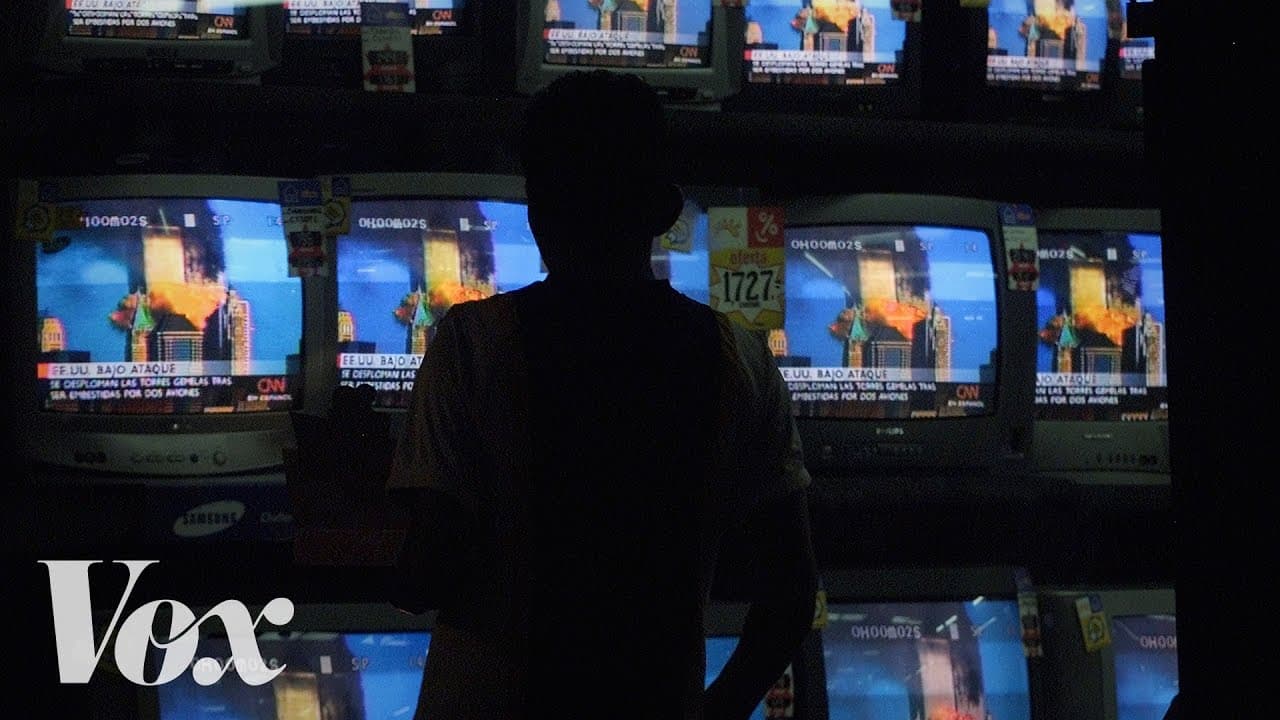
News coverage of terrorism inflates fear and skews risk perception.
Transcript
what will you do the next time you hear there's been a major terrorist attack chances are you'll turn on a TV possible terror attack and specifically cable news and apparently there's been an explosion if it's a big attack you'll watch hours of coverage over the next few days is emerging now as a mass casualty situation TR to find out exactly what'... Read More
Key Insights
- News coverage of terrorism often leads to increased fear and anxiety among viewers, despite the low statistical risk of being affected by terrorism.
- People tend to overestimate the frequency of rare events, like terrorist attacks, due to repeated exposure to sensational news stories.
- Cable news networks benefit from high ratings during terrorist attacks, creating an incentive to sensationalize coverage.
- The concept of 'security theater' describes measures that appear to enhance security but do not effectively reduce risk.
- Politicians may exploit heightened public fear to implement dramatic security measures that are more about appearance than efficacy.
- Understanding cognitive biases in risk perception can help individuals better assess actual threats and reduce unnecessary anxiety.
- Effective security strategies often involve unremarkable measures like intelligence and emergency response, rather than sensational actions.
- The media's portrayal of terrorism can lead to public support for aggressive policies that may not align with actual safety needs.
Install to Summarize YouTube Videos and Get Transcripts
Explore YouTube Video Summarizer or Get YouTube Transcript Extractor
Questions & Answers
Q: How does news coverage of terrorism influence public perception?
News coverage of terrorism often sensationalizes events, leading to increased fear and anxiety among the public. This can distort perceptions of the actual risk of terrorism, causing people to overestimate the likelihood of being affected by such attacks. The constant replay of graphic images and detailed analysis can make terrorism seem more prevalent than it actually is.
Q: What is 'security theater' and how does it relate to terrorism?
'Security theater' refers to security measures that are designed to make people feel safer without actually improving safety. In the context of terrorism, governments may implement visible but ineffective measures, such as strict border controls or travel bans, to reassure the public. These actions often stem from public pressure and fear, rather than being based on effective risk reduction strategies.
Q: Why do cable news networks sensationalize coverage of terrorist attacks?
Cable news networks often sensationalize coverage of terrorist attacks to boost ratings. High-profile tragedies attract more viewers, leading to increased advertising revenue. As a result, networks have an incentive to provide extensive, dramatic coverage, even if it contributes to public fear and anxiety. This approach can skew public perception of the actual threat posed by terrorism.
Q: How can understanding cognitive biases help in assessing terrorism risk?
Understanding cognitive biases can help individuals better assess the actual risk of terrorism by recognizing the tendency to overestimate the frequency of rare events. By being aware of how sensational news stories influence perception, people can critically evaluate the information they consume and make more informed decisions about their safety. This awareness can reduce unnecessary fear and anxiety.
Q: What are some effective strategies for improving security against terrorism?
Effective strategies for improving security against terrorism often involve intelligence gathering, emergency response planning, and international cooperation. These measures may not be as visible as dramatic actions like building walls or implementing travel bans, but they are more likely to address the root causes of terrorism and enhance actual safety. Investing in these areas can lead to more sustainable security improvements.
Q: How do politicians use public fear of terrorism to their advantage?
Politicians may exploit public fear of terrorism to gain support for dramatic security measures that align with their political agendas. By emphasizing the threat of terrorism and proposing visible actions, they can appear decisive and responsive to public concerns. However, these measures may not effectively address the actual risk and can divert resources from more effective strategies.
Q: What role does media play in shaping public opinion on terrorism?
Media plays a significant role in shaping public opinion on terrorism by influencing perceptions of risk and threat. Sensationalized coverage can lead to heightened fear and anxiety, prompting public support for aggressive policies. The media's focus on dramatic stories rather than statistical realities can skew public understanding of terrorism and impact political decision-making.
Q: Why is it challenging to change public perception of terrorism risk?
Changing public perception of terrorism risk is challenging because people are naturally drawn to dramatic stories and vivid imagery, which are more memorable than statistics. Additionally, cognitive biases cause individuals to overestimate the likelihood of rare events. Overcoming these biases requires education and awareness, but the media's focus on sensationalism can make it difficult to shift perceptions.
Summary & Key Takeaways
-
News coverage of terrorism can lead to increased fear and anxiety, as viewers are exposed to sensationalized stories that overemphasize the threat. This heightened fear can result in support for dramatic security measures that may not effectively address the actual risks.
-
Cable news networks often capitalize on the public's fear of terrorism by providing extensive, sensational coverage, which can distort perceptions of the frequency and severity of terrorist threats. This coverage can influence public opinion and political responses to perceived threats.
-
The concept of 'security theater' highlights the tendency for governments to implement visible but ineffective security measures in response to public fear. Understanding cognitive biases and improving risk assessment can help mitigate the impact of sensational news coverage on public perception.
Read in Other Languages (beta)
Share This Summary 📚
Summarize YouTube Videos and Get Video Transcripts with 1-Click
Try YouTube Summary with ChatGPT & Claude or YouTube Transcript Generator
Explore More Summaries from Vox 📚



Summarize YouTube Videos and Get Video Transcripts with 1-Click
Try YouTube Summary with ChatGPT & Claude or YouTube Transcript Generator