Why a Cashless Society Could Be Problematic
TL;DR
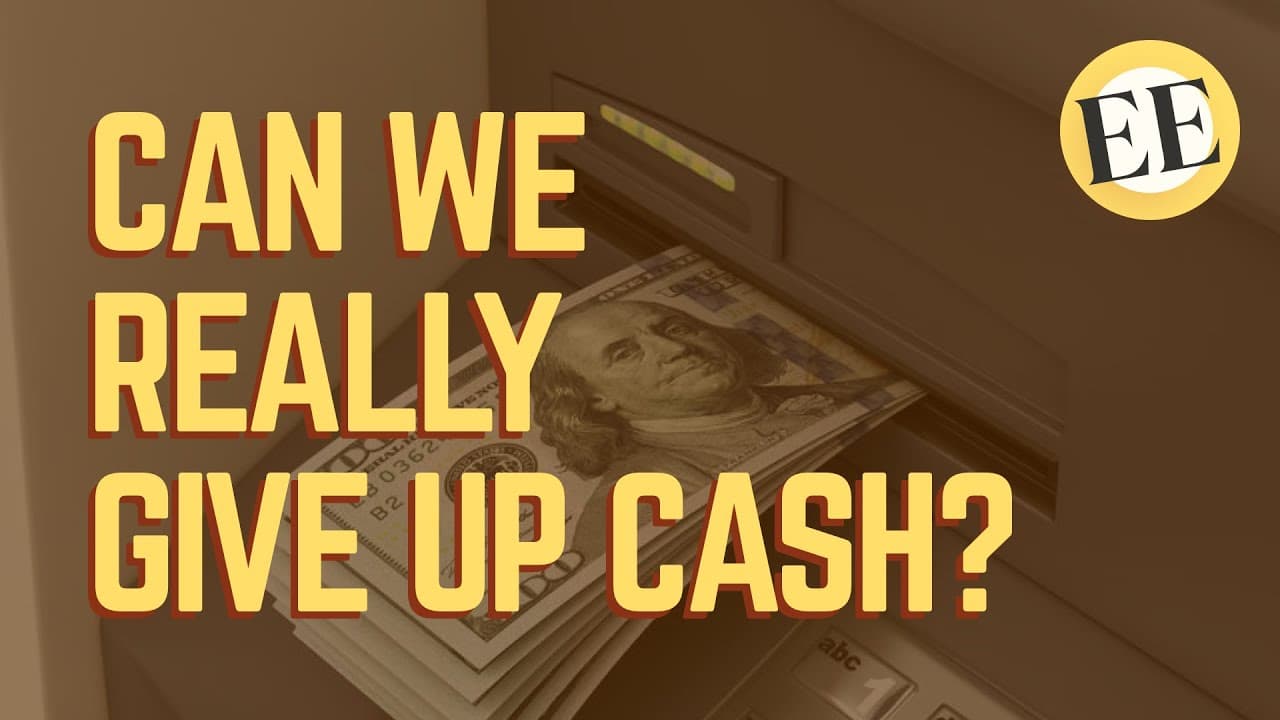
Eliminating physical cash could lead to increased control by financial institutions, higher transaction costs for businesses, and loss of consumer privacy. While cashless transactions offer convenience, they also pose risks such as increased surveillance and financial exclusion for those without access to digital payment methods.
Transcript
So the youtube gods, hath smited our 500 thousand subscriber special, but that’s ok, we will just have to make it a 1 million subscriber special, so if you want to see us anger the almighty algorithm again please consider subscribing, but in the meantime There are a lot of ways to pay for things. There are credit cards, wire transfers, frequent fly... Read More
Key Insights
- Physical cash offers an easy and reliable way to conduct transactions, contributing significantly to economic success.
- Modern economies are increasingly reducing the use of cash, with some governments imposing limits on cash transactions.
- Credit cards, while convenient, can lead to higher consumer spending and carry high-interest rates if not managed properly.
- Merchant fees from card transactions can significantly impact low-margin businesses, often leading to higher prices for consumers.
- WeChat Pay in China demonstrates how technology can facilitate a cashless economy with minimal transaction fees.
- A cashless society could grant excessive power to financial institutions, who could control or deny services to individuals or businesses.
- Government policies limiting cash usage could be a precursor to broader restrictions, affecting personal financial autonomy.
- A cashless economy could disrupt the black market and informal economic activities, impacting government revenue from seigniorage.
Install to Summarize YouTube Videos and Get Transcripts
Explore YouTube Video Summarizer or Get YouTube Transcript Extractor
Questions & Answers
Q: How does a cashless society impact consumer privacy?
A cashless society can significantly impact consumer privacy by allowing financial institutions and governments to track all transactions. Unlike cash, which provides anonymity, digital payments are recorded and can be analyzed to monitor spending habits, potentially leading to increased surveillance and data collection by both private companies and state entities.
Q: What are the potential drawbacks of relying solely on credit cards?
Relying solely on credit cards can lead to increased consumer spending due to higher credit limits and the allure of rewards. If not managed properly, credit cards can incur high-interest rates, especially when balances are not paid in full. Additionally, credit card transactions involve merchant fees, which can lead to higher prices for consumers as businesses pass on these costs.
Q: Why might businesses be concerned about a cashless economy?
Businesses, particularly those with low-profit margins, may be concerned about a cashless economy due to merchant fees associated with card transactions. These fees, typically 1-2% of sales, can significantly impact profitability. Additionally, businesses may face increased costs for payment infrastructure and potential loss of customers who prefer cash transactions.
Q: How could a cashless society affect government revenue?
A cashless society could reduce government revenue from seigniorage, the profit made from printing money. Additionally, while it might help curb illegal activities and increase tax compliance, it could also disrupt the shadow economy, impacting informal sectors that contribute to economic activity but evade taxation.
Q: What role does technology play in the transition to a cashless society?
Technology plays a crucial role in the transition to a cashless society by providing platforms for digital payments that are convenient and low-cost, such as WeChat Pay in China. These platforms facilitate transactions without the need for physical cash, reducing barriers for both consumers and businesses and potentially increasing economic efficiency.
Q: Could a cashless society lead to financial exclusion?
Yes, a cashless society could lead to financial exclusion for individuals without access to digital payment methods, such as the unbanked or those in regions with limited internet connectivity. This could widen the economic divide, as these individuals may find it difficult to participate fully in the economy without cash options.
Q: How might a cashless society increase financial institution power?
A cashless society could increase the power of financial institutions by centralizing control over all transactions. These institutions could potentially influence consumer behavior, deny services, and impose higher fees without competition from cash transactions. This concentration of power raises concerns about fairness and access to financial services.
Q: What are the potential benefits of a cashless economy?
A cashless economy offers benefits such as increased convenience, reduced risk of theft, and enhanced transaction speed. It can also improve tax compliance and reduce illegal activities by making transactions more transparent. Additionally, digital payments can facilitate economic activity by making it easier for consumers and businesses to transact across distances.
Summary & Key Takeaways
-
Eliminating cash could increase financial control by private institutions, raising concerns about privacy and financial inclusion. While digital transactions are convenient, they come with risks such as increased surveillance and exclusion of those without access to digital payment methods.
-
Credit cards, while convenient, can lead to increased spending and high-interest rates. Merchant fees from card transactions impact low-margin businesses, often resulting in higher prices for consumers. Debit cards offer a balance between cash and credit card benefits.
-
WeChat Pay in China exemplifies how technology can support a cashless economy with minimal fees. However, a cashless society could grant excessive power to financial institutions and governments, potentially leading to service denial and reduced personal financial autonomy.
Read in Other Languages (beta)
Share This Summary 📚
Summarize YouTube Videos and Get Video Transcripts with 1-Click
Try YouTube Summary with ChatGPT & Claude or YouTube Transcript Generator
Explore More Summaries from Economics Explained 📚


Summarize YouTube Videos and Get Video Transcripts with 1-Click
Try YouTube Summary with ChatGPT & Claude or YouTube Transcript Generator