Why Not Giving Advice Transforms Conversations
TL;DR
Avoiding advice can create deeper, more meaningful interactions. Instead of prescribing solutions, using open-ended questions, validations, and couching allows individuals to express themselves and feel truly heard. This approach fosters better understanding and connection in sensitive conversations.
Transcript
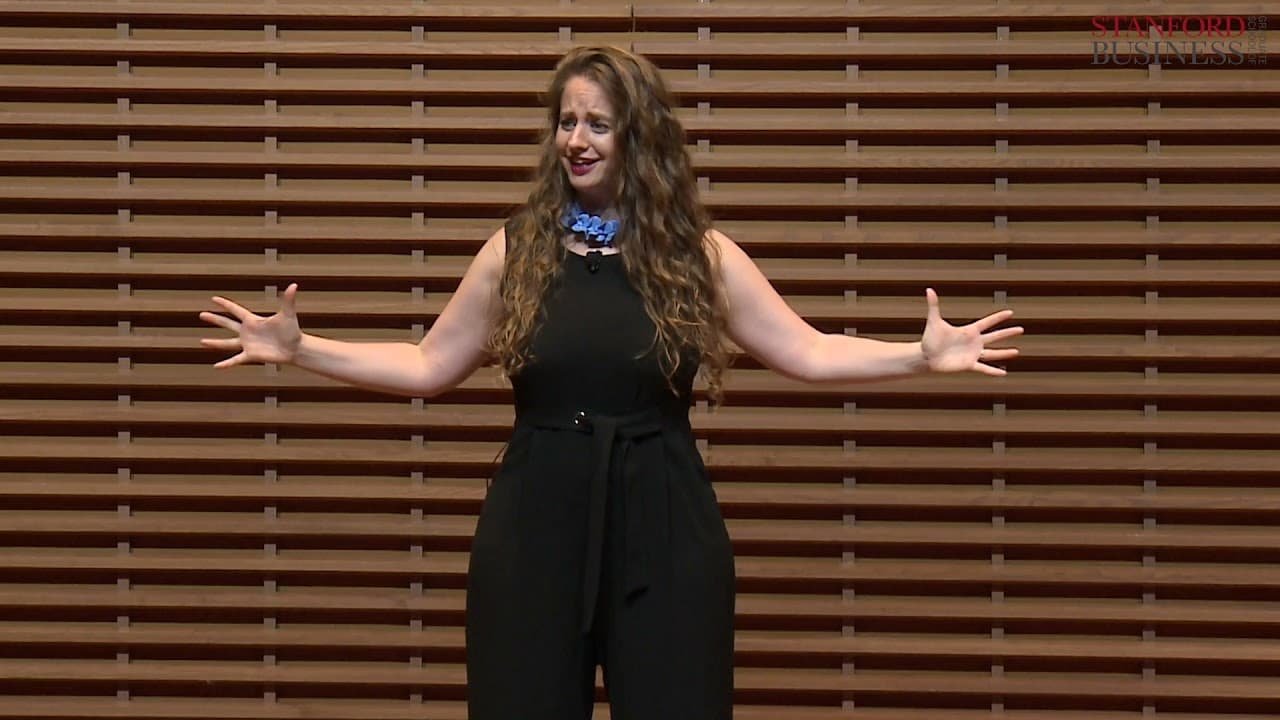
imagine this you're sitting at a new york city office in a secret location that only another 50 people know about waiting for the phone to ring you pass the time flipping through old magazines watching taxis roll by outside the window when it happens you take a deep breath it could be anyone on the other end of the phone a teenager a senior in a ho... Read More
Key Insights
- 🥰 Not giving advice can lead to a more meaningful conversation and allow the person seeking help to feel heard and understood.
- ❓ Advice is often limited and may not fully consider the complexities of an individual's situation.
- 🤗 Open-ended questions help explore different perspectives and allow the person to delve deeper into their thoughts and feelings.
- 🧑 Validations validate the person's experiences and show empathy, creating a supportive environment for effective communication.
- 💭 Couching connects the advice offered with the person's thoughts and emotions, making it more relatable and applicable.
- 🤗 Listening actively and without judgment is essential for utilizing the tools of open-ended questions, validations, and couching effectively.
- 🧑 Giving advice should be earned and based on a deep understanding of the person's situation, rather than simply offering recommendations without proper context.
Install to Summarize YouTube Videos and Get Transcripts
Explore YouTube Video Summarizer or Get YouTube Transcript Extractor
Questions & Answers
Q: Why is giving advice a bad experience for the person seeking help?
Giving advice can be a bad experience because the advisor only knows a small fraction of what the person is going through, and the advice might come off as judgmental. It is crucial to understand the person's perspective fully before offering any guidance.
Q: When can advice be given?
Advice can be given when one has earned the right to give it. This can be when there is information asymmetry, and the advisor possesses hard facts or details that the person seeking help doesn't. It can also be when someone directly asks for advice or after listening attentively and empathetically.
Q: What are open-ended questions, and how do they help?
Open-ended questions are questions that cannot be answered with a simple yes or no and usually begin with words like how, what, or why. These questions allow the person seeking help to explore multiple paths and express themselves more freely, leading to a deeper conversation and understanding.
Q: How can validations contribute to effective communication?
Validations show empathy and acknowledge the legitimacy of the person's feelings. By validating their experiences, we make them feel understood and supported. Validations can be about recognizing the difficulty they are facing or acknowledging the normalcy of their feelings.
Q: What is couching, and how does it connect with the conversation?
Couching is linking the advice you want to share with the thoughts, feelings, and facts expressed by the person in the conversation. It ensures that the advice provided is relevant and personalized to their specific situation, making it more likely to be accepted and valued.
Summary & Key Takeaways
-
The author shares their experience as a suicide hotline responder and emphasizes the importance of not giving advice.
-
Giving advice can be a bad experience for the person seeking help because judgment and lack of understanding may be present.
-
Instead of offering advice, the author suggests using open-ended questions, validations, and couching to engage in meaningful conversations.
Read in Other Languages (beta)
Share This Summary 📚
Summarize YouTube Videos and Get Video Transcripts with 1-Click
Try YouTube Summary with ChatGPT & Claude or YouTube Transcript Generator
Explore More Summaries from Stanford Graduate School of Business 📚





Summarize YouTube Videos and Get Video Transcripts with 1-Click
Try YouTube Summary with ChatGPT & Claude or YouTube Transcript Generator