Ruby Sales: How we can start to heal the pain of racial division | TED
TL;DR
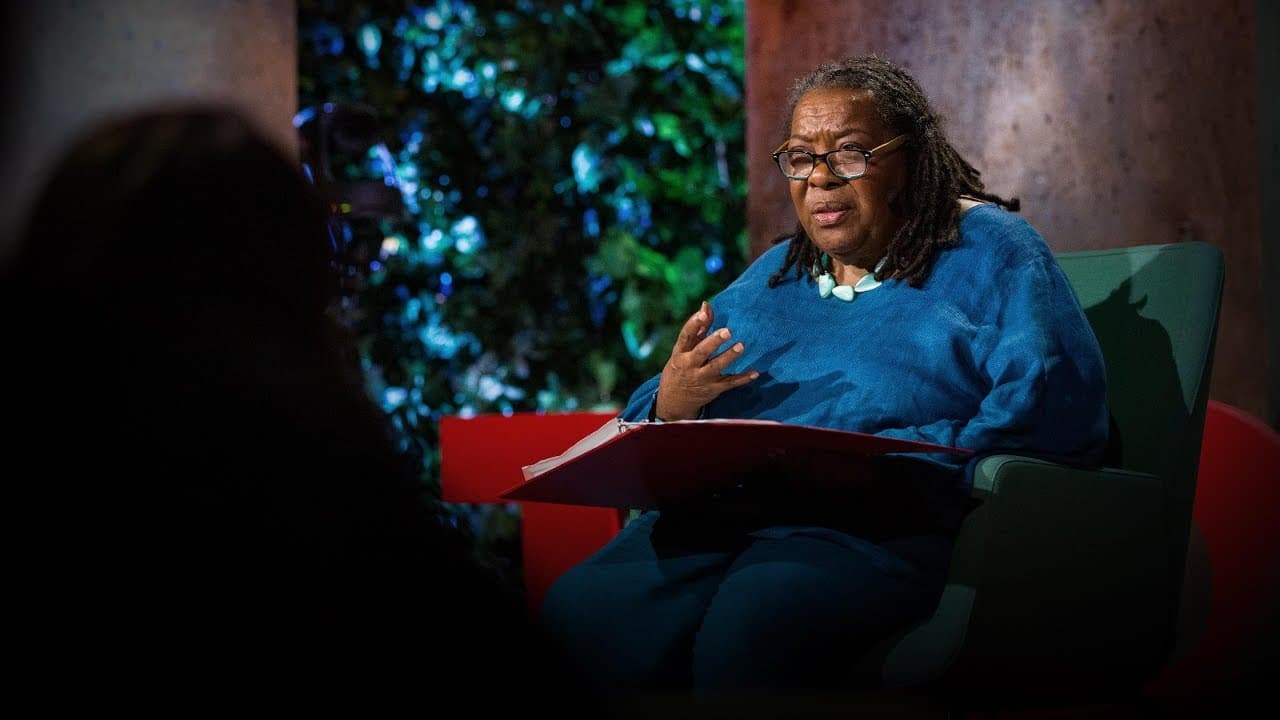
In this powerful and moving speech, the speaker reflects on a traumatic experience of racism and highlights the importance of healing and redemption in overcoming the culture of whiteness and achieving racial justice in America.
Transcript
Translator: Ivana Korom Reviewer: Joanna Pietrulewicz I want to share with you a moment in my life when the hurt and wounds of racism were both deadly and paralyzing for me. And I think what I've learned can be a source of healing for all of us. When I was 17 years old, I was a college student at Tuskegee University, and I was a worker in the South... Read More
Key Insights
- 🙌 The speaker shares a personal experience of racism and how it was both deadly and paralyzing for her, emphasizing the need for healing.
- 🌍 The speaker was involved in the Civil Rights Movement in the South and believed that everyone, regardless of race, could overcome racism.
- ❤️ A white seminary student sacrificed his life to save the speaker during a protest, highlighting the presence of both love and hate in society.
- 😢 The traumatic event caused the speaker to become silent and not speak for six months, but she eventually found healing in sharing her story with others.
- 🌟 The speaker reflects on the current state of racism in America, acknowledging the hurt experienced by black and brown people, women, and white men.
- 👥 The speaker identifies the culture of whiteness as the source of the hurt, a systemic and organized set of beliefs and values that maintain a power structure based on skin color.
- 💪 The speaker believes that individuals must connect with their authentic selves and move beyond the constructs of whiteness, brownness, and blackness to fully realize their identities.
- 💻 The speaker calls for the use of technology to elevate and unite people, rather than perpetuating hate speech and degradation. She believes technology can create larger spaces for engagement and break down segregation.
Install to Summarize YouTube Videos and Get Transcripts
Explore YouTube Video Summarizer or Get YouTube Transcript Extractor
Questions & Answers
Q: What was the experience of the speaker during the Civil Rights Movement?
The speaker was a college student and worker in the Southern freedom movement at Tuskegee University. She describes a specific event where she and a white seminary and college student named Jonathan Daniels were met with a mob of howling white men with weapons while participating in a nonviolent demonstration against the exploitation of black sharecroppers. They were arrested and faced inhumane conditions in jail before being released.
Q: How did the speaker's friend Jonathan Daniels save her life?
The speaker and Jonathan Daniels were met outside a door by a white man with a shotgun who threatened to kill them. Before the speaker could react, Jonathan intentionally pulled her back, causing her to fall and believe she was dead. Jonathan stood in the line of fire and took the blast, sacrificing his own life to save hers.
Q: How did the experience of witnessing her friend's murder affect the speaker?
The speaker was deeply traumatized and paralyzed by witnessing Jonathan's murder. She became a silent person and did not speak for six months in the aftermath of the event. Over time, she learned to confront and address her hurt by talking about her experiences in the Southern freedom movement, connecting with fellow freedom fighters, and sharing their stories.
Q: According to the speaker, what is the culture of whiteness?
The speaker describes the culture of whiteness as a systemic and organized set of beliefs, values, canonized knowledge, and even religion that perpetuates a hierarchical power structure based on skin color. It dehumanizes people of color, particularly black people, viewing them as dangerous outsiders while positioning white people as necessary insiders. The culture of whiteness maintains false uniformity and prevents the full expression of multiple and interlocking identities.
Q: How does the speaker propose we fix the culture of whiteness?
The speaker believes that to fix the culture of whiteness, individuals must connect with their authentic ethnic selves and move beyond constructs of whiteness, brownness, and blackness to embrace their fullest identities. This can be achieved through collective narratives that include individual stories, the arts, spiritual reflections, literature, and drumming. Moving towards redemption rather than punishment and using technology to elevate and connect rather than perpetuate hate speech are also important steps towards addressing the culture of whiteness.
Q: How does the speaker view the future of racial justice movements?
The speaker believes that movements for racial justice must be redemptive rather than punitive. She advocates for providing the possibility of redemption for everyone, even those who oppress others. By listening to and understanding where those who oppress may be hurting, the speaker emphasizes that true freedom and healing can only come when all are redeemed from unredemptive anger.
Summary & Key Takeaways
-
The speaker shares a personal story about experiencing racism and witnessing the murder of a friend during the Civil Rights Movement.
-
The speaker discusses the ongoing issue of racism in the United States and emphasizes the importance of acknowledging and addressing the hurt experienced by black and brown people.
-
The speaker proposes that the culture of whiteness, rather than individual white people, is the problem and suggests that collective storytelling and redemption can help in the fight against racism.
Read in Other Languages (beta)
Share This Summary 📚
Summarize YouTube Videos and Get Video Transcripts with 1-Click
Try YouTube Summary with ChatGPT & Claude or YouTube Transcript Generator
Explore More Summaries from TED 📚


Summarize YouTube Videos and Get Video Transcripts with 1-Click
Try YouTube Summary with ChatGPT & Claude or YouTube Transcript Generator