What's it like to be a robot? | Leila Takayama
TL;DR
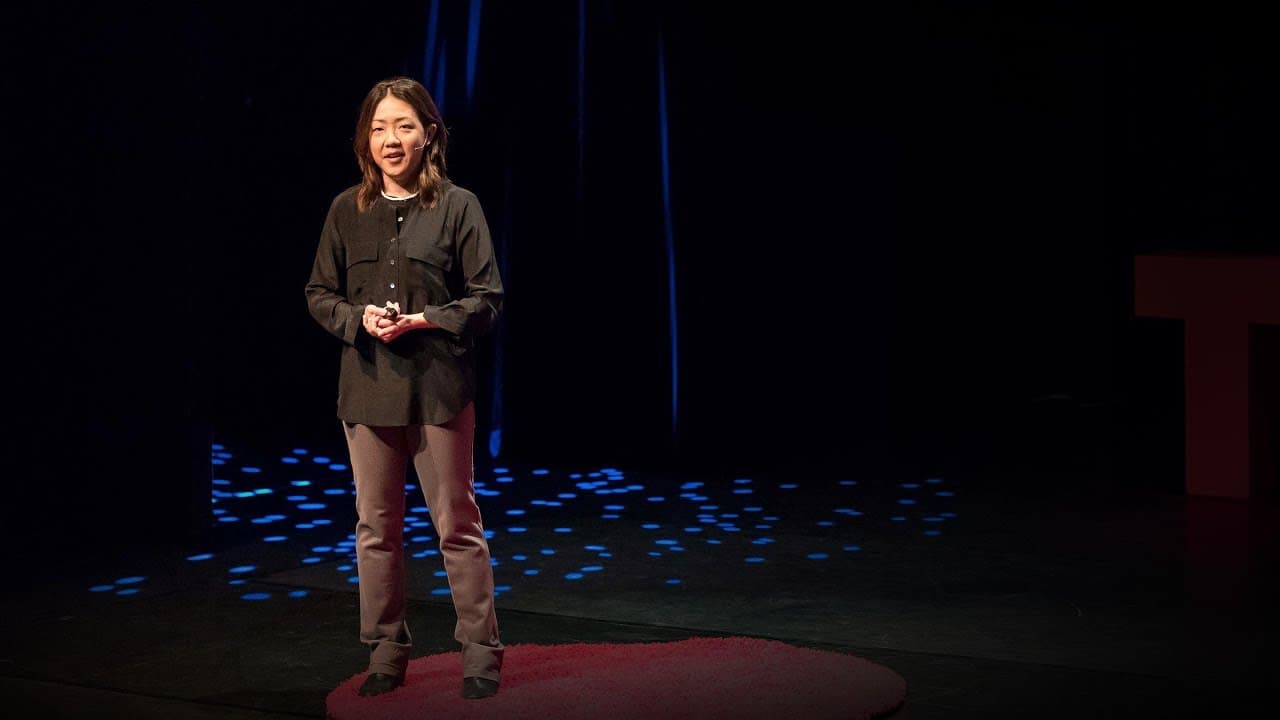
In this content, the speaker discusses the importance of first impressions with robots and how they can teach us about ourselves.
Transcript
You only get one chance to make a first impression, and that's true if you're a robot as well as if you're a person. The first time that I met one of these robots was at a place called Willow Garage in 2008. When I went to visit there, my host walked me into the building and we met this little guy. He was rolling into the hallway, came up to me, sa... Read More
Key Insights
- 🤖 Robots may not always meet our expectations and can have difficulty understanding and navigating the human social world.
- 🧹 Robot vacuums and lawnmowers, as well as other mundane appliances like dishwashers and thermostats, are examples of robots that exist and are useful in our everyday lives.
- 🚗 Cars with features like power steering and adaptive cruise control have bits of autonomy and help us drive safer.
- 🤝 Robots can be powerful tools for remote collaboration, allowing for more effective communication and presence in meetings.
- 📐 The height of a robot can impact how it is perceived and the influence it has, even if the person controlling it remains the same.
- 🏓 Robots can be used for team bonding and even inspire new games, but some people may struggle with operating them.
- 🎮 Interfaces that resemble video games can create a sense of detachment and reduce the perception of real-world consequences when operating robots.
- 💡 Designing human-robot interaction systems requires considering human dimensions such as personality, culture, and emotional state. It is essential to foster a sense of responsibility in robot operators.
Install to Summarize YouTube Videos and Get Transcripts
Explore YouTube Video Summarizer or Get YouTube Transcript Extractor
Questions & Answers
Q: What was the speaker's first impression of robots at Willow Garage in 2008?
The speaker's first impression of robots at Willow Garage was not great. One of the robots rolled into the hallway, stared blankly, and then ran away without acknowledging the speaker's presence.
Q: According to the speaker, what did they learn about robots that day?
The speaker learned that robots tend to do their own thing and aren't fully aware of humans. They may not always recognize humans as obstacles in their path and may take inefficient routes to navigate around them.
Q: How does the speaker view robots in everyday life?
The speaker believes that robots are already part of our daily lives and are often hidden in plain sight. They give examples of robot vacuum cleaners, lawnmowers, and even dishwashers, which have become mundane but serve important purposes.
Q: How does the speaker describe the role of humans in operating robots?
The speaker suggests that humans are also robot operators in various aspects, such as driving a car. While not fully autonomous, cars have features like power steering and adaptive cruise control that enhance the driving experience and safety.
Q: What was the purpose of the robot created by Dallas and Curt at Willow Garage?
Dallas and Curt created a robot that allowed Dallas, who was remote, to participate more effectively in meetings. The robot, which looked like a "Skype on a stick on wheels," allowed Dallas to interact with others in real-time, increasing collaboration and communication.
Q: How did the researchers at Willow Garage address the issue of control and autonomy for robot operators?
The researchers added obstacle avoidance to the robot's system to prevent collisions. However, it was found that some individuals with a strong internal locus of control had difficulty giving up control to the autonomous system, causing them to struggle and take longer to navigate through obstacles.
Q: What did the speaker emphasize regarding responsibility and the interface used to operate robots?
The speaker emphasized that as designers of robotic interfaces, it is important to remind users of the real-world consequences of their actions. People can sometimes become detached from the consequences of their actions when operating robots, and it is crucial to foster a sense of responsibility.
Q: How did the "Tweenbot" robot demonstrate the potential for collaboration between humans and robots?
The "Tweenbot" robot had a simple design with a flag signaling its intended destination. It relied on the kindness of strangers to pick it up and point it in the right direction, successfully crossing Manhattan with the help of humans. This demonstrated the potential for collaborative human-robot interaction.
Summary & Key Takeaways
-
First impressions are important, even for robots, and they are not always great at understanding and interacting with humans.
-
Robots are already a part of our daily lives, such as vacuum cleaners and thermostats, and they serve useful purposes.
-
Human-robot interaction is complex and requires understanding human dimensions, such as control, responsibility, and empathy, in order to design better interfaces and technologies.
Read in Other Languages (beta)
Share This Summary 📚
Summarize YouTube Videos and Get Video Transcripts with 1-Click
Try YouTube Summary with ChatGPT & Claude or YouTube Transcript Generator
Explore More Summaries from TED 📚

Summarize YouTube Videos and Get Video Transcripts with 1-Click
Try YouTube Summary with ChatGPT & Claude or YouTube Transcript Generator