A Brain Implant That Turns Your Thoughts Into Text | Tom Oxley | TED
TL;DR
This content explores the development of brain-computer interfaces and their potential to transform the lives of individuals with paralysis.
Transcript
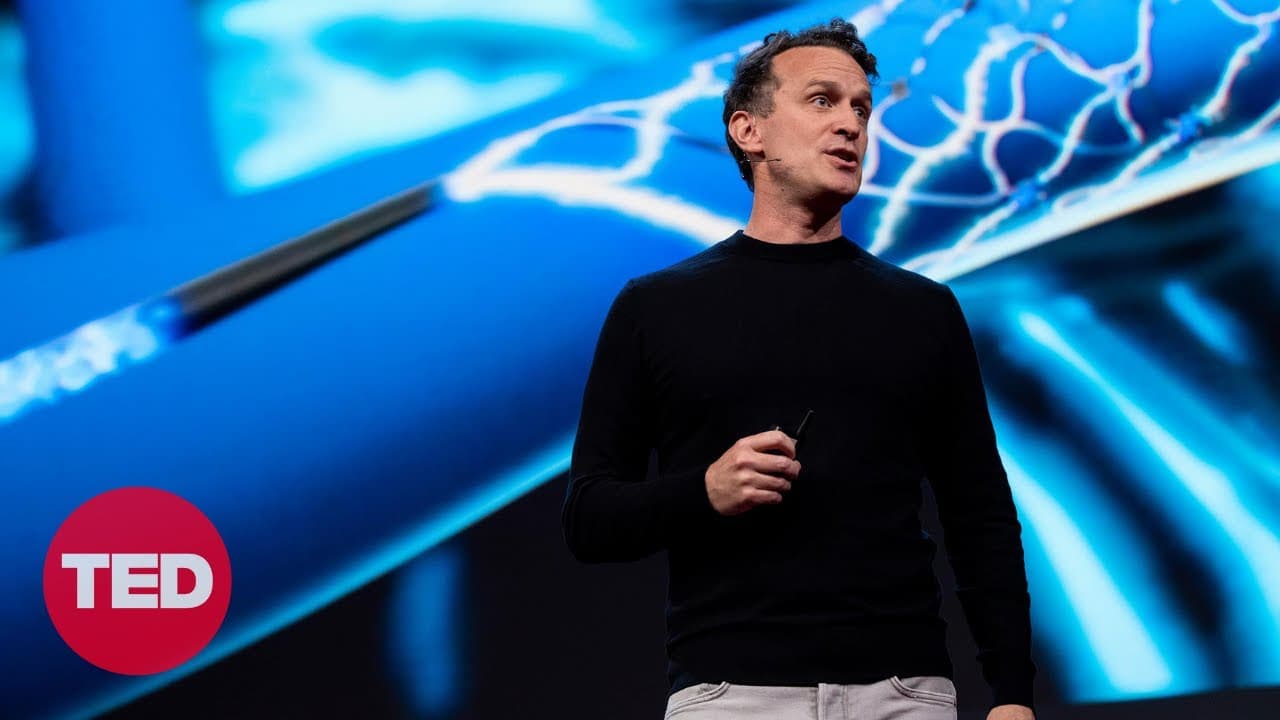
A few months ago, I surrendered the password to my Twitter account to let a person with paralysis tweet out their thoughts. But I mean that literally. Philip O'Keefe can't use his fingers to type like you or I, but thanks to a tiny brain implant, he was able to send the following tweets. "Hello world! Short tweet. Monumental progress." "No need for... Read More
Key Insights
- 🗨️ Brain-computer interfaces (BCIs) can allow individuals with paralysis and disability to communicate and interact with the outside world, providing life-changing opportunities.
- 🧠 BCIs can be fully internalized and connected to computers via Bluetooth, enabling individuals to control keyboards and devices directly with their brain signals.
- 🏥 BCIs have the potential to transform the lives of patients with neurodegenerative diseases such as ALS, enabling them to text, message, and connect with loved ones through technology.
- 💉 Invasive brain surgeries traditionally required for BCIs can now be replaced with a minimally invasive approach using the blood vessels as a "secret back door" to the brain.
- ❤️ BCIs offer a new era of communication, where individuals with certain conditions can express emotions and feelings without relying solely on words.
- ⚙️ Developments in BCI technology have the potential to address a range of conditions beyond paralysis, including epilepsy, depression, and dementia.
- 🌎 The potential impact of BCIs extends beyond medical benefits, with the ability to unlock the full potential of the human brain and revolutionize the way we communicate.
- 💪 BCIs provide hope, autonomy, independence, and dignity to individuals who have long felt trapped and disconnected from the world.
Install to Summarize YouTube Videos and Get Transcripts
Explore YouTube Video Summarizer or Get YouTube Transcript Extractor
Questions & Answers
Q: How did Philip O'Keefe tweet his thoughts despite his paralysis?
Philip O'Keefe was able to tweet his thoughts despite his paralysis thanks to a brain implant. The tiny brain implant allowed him to send tweets by just thinking, without the need for keystrokes or voices.
Q: Why is this technology significant for people with paralysis and disabilities?
This technology is life-changing for people with paralysis and disabilities because it provides them with a means of communication. It allows them to type and text, enabling them to reconnect with their loved ones, access social media, and regain a sense of independence.
Q: What are the limitations of current brain-computer interfaces (BCIs)?
One limitation of current BCIs is that they typically require invasive surgery, involving drilling needles directly into the brain. This procedure is complex, requires skilled neurosurgeons, and has the potential for complications and immune reactions over time.
Q: How has the Stentrode addressed the limitations of traditional BCIs?
The Stentrode is a brain-computer interface that has overcome the limitations of invasive surgery. It utilizes the blood vessels, the natural highways into the brain, as a non-surgical entry point. By navigating through the blood vessels, it eliminates the need for open-brain surgery and allows for a less invasive and more accessible procedure.
Q: What is the potential impact of BCIs on communication and emotion?
BCIs have the potential to revolutionize communication by offering new ways to express oneself beyond words. For individuals who struggle to communicate due to certain conditions, BCIs could allow them to convey their emotions directly, enabling others to truly understand how they feel. This could unlock the full potential of the brain and revolutionize human communication.
Summary & Key Takeaways
-
Brain-computer interfaces (BCIs) allow individuals with paralysis to send text messages and connect with the outside world through their thoughts, using implants and Bluetooth technology.
-
BCIs traditionally require invasive surgery, but a new device called the Stentrode can be placed in a person's blood vessel, allowing for a less invasive and more accessible method of brain-computer interface.
-
BCIs have the potential to revolutionize communication and restore dignity for people with paralysis and other neurodegenerative diseases, giving them a voice and a means to connect with others.
Read in Other Languages (beta)
Share This Summary 📚
Summarize YouTube Videos and Get Video Transcripts with 1-Click
Try YouTube Summary with ChatGPT & Claude or YouTube Transcript Generator
Explore More Summaries from TED 📚




Summarize YouTube Videos and Get Video Transcripts with 1-Click
Try YouTube Summary with ChatGPT & Claude or YouTube Transcript Generator