The Science Behind Why You Procrastinate
TL;DR
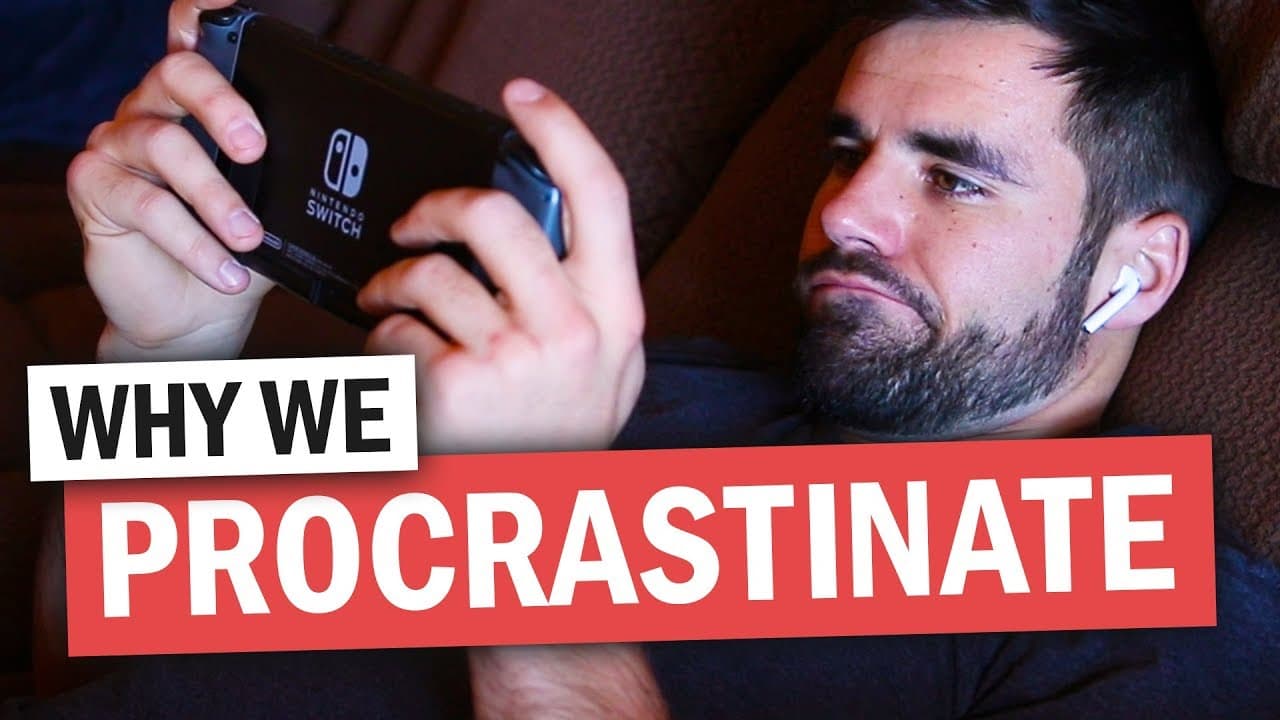
Procrastination is a common habit that can lead to negative consequences such as poor study habits, depression, and anxiety. This video explores the science behind procrastination and how it impacts our motivation to complete tasks.
Transcript
- If you've ever wanted to count yourself among the ranks of geniuses like Leonardo da Vinci, Margaret Atwood and Frank Lloyd Wright, then you're in luck because there is at least on dimension in which you, me and probably everyone watching this video is already like them and that's because each one of these geniuses is or was a massive procrastina... Read More
Key Insights
- 🤳 Procrastination is a damaging habit that affects various aspects of life, including academics, mental health, and self-esteem.
- ❓ Temporal Motivation Theory provides a formula for understanding motivation and procrastination.
- 🪛 Procrastination is primarily driven by an inability to regulate emotions and seek instant gratification.
- 🍉 Procrastinators tend to rationalize their behavior and focus on short-term mood improvement rather than long-term growth.
- 🧑🏭 Procrastination is influenced by factors such as problems with executive functioning, expectancy value, delay, and the addictive nature of distractions.
- ❓ Procrastination can be combated by understanding triggers and implementing strategies to manage them.
- ❤️🩹 Following passion alone does not guarantee an end to procrastination; deliberate skill development and exploring interests help reduce procrastination.
Install to Summarize YouTube Videos and Get Transcripts
Explore YouTube Video Summarizer or Get YouTube Transcript Extractor
Questions & Answers
Q: What is Temporal Motivation Theory, and how does it explain procrastination?
Temporal Motivation Theory suggests that the utility and motivation we assign to a task determine our likelihood of procrastination. Expectancy, value, impulsiveness, and delay are the elements of this theory that affect motivation.
Q: Why do people rationalize their procrastination and convince themselves it's not a big deal?
Procrastinators tend to seek emotional relief from tasks that are boring, difficult, or anxiety-inducing. They construct arguments to rationalize their behavior and focus on short-term mood improvement rather than reflecting on the negative consequences.
Q: How does emotional regulation impact procrastination?
Procrastination is primarily linked to an inability to self-regulate emotions and mood. Chronic procrastinators give in to feel good despite being aware of the harm they cause. Emotional side plays a bigger role than rational decision-making.
Q: What are the factors that contribute to procrastination besides emotional regulation?
Problems with executive functioning, expectancy value, delay, and distractions also contribute to procrastination tendencies. The addictive nature of modern distractions makes it harder to resist procrastination.
Summary & Key Takeaways
-
Procrastination is a common problem that even famous individuals like Leonardo da Vinci and Margaret Atwood struggled with.
-
Temporal Motivation Theory explains procrastination as a result of the utility and motivation we assign to tasks.
-
Emotional regulation and mood play a significant role in procrastination, as individuals seek instant gratification and rationalize their behavior.
Read in Other Languages (beta)
Share This Summary 📚
Summarize YouTube Videos and Get Video Transcripts with 1-Click
Try YouTube Summary with ChatGPT & Claude or YouTube Transcript Generator
Explore More Summaries from Thomas Frank 📚


Summarize YouTube Videos and Get Video Transcripts with 1-Click
Try YouTube Summary with ChatGPT & Claude or YouTube Transcript Generator