Contract Law 4 Intro Williams v Walker Thomas Furniture (installment loan)
TL;DR
Williams v. Walker Thomas Furniture raises questions about unconscionable contracts and the role of courts and legislatures in enforcing them.
Transcript
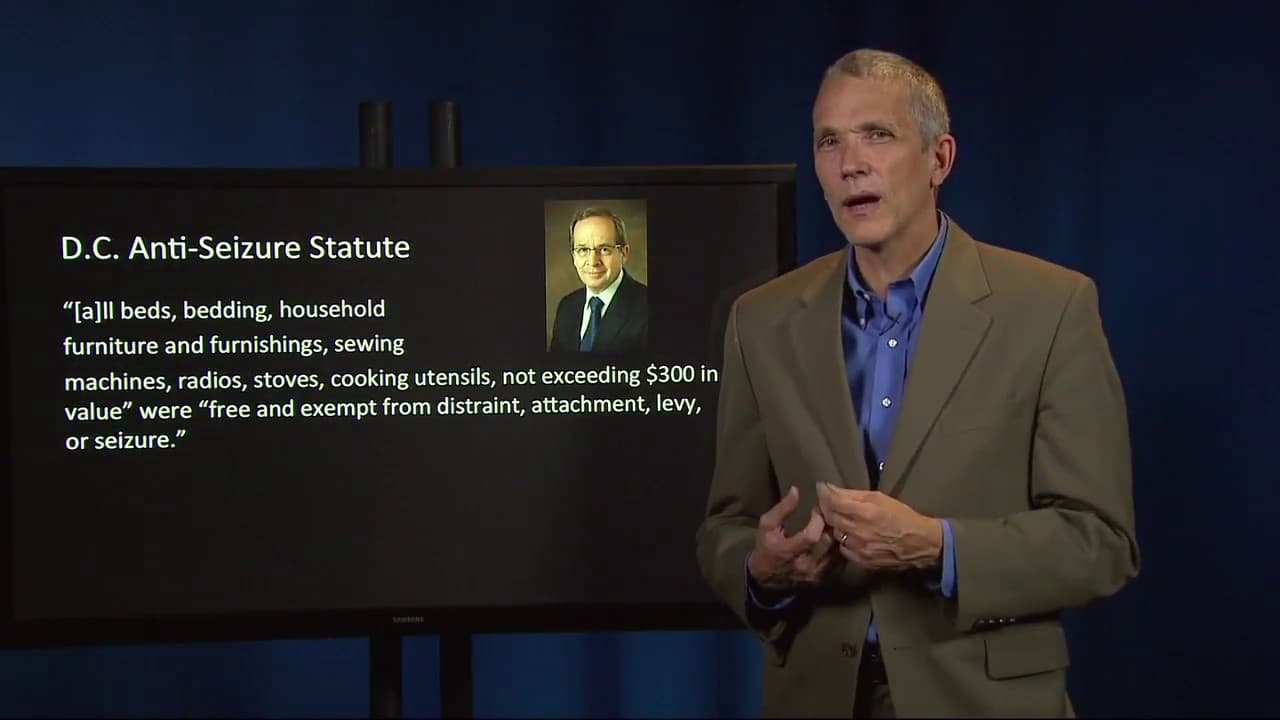
today we discuss unconscionability through the classic case of Williams versus Walker Thomas furniture this case was decided in 1965 by a well-known judge Jace Kelley right of the Circuit Court of the District of Columbia it also raises important questions about the respective roles of courts and legislatures the facts aurélie Williams the defendan... Read More
Key Insights
- 🙃 Unconscionability refers to contracts that are so one-sided as to be oppressive and unfair, and courts have the authority to refuse to enforce such contracts.
- 🤨 The cross-collateral clause in Williams v. Walker Thomas Furniture, which allowed the company to repossess all prior purchases, raised issues of procedural and substantive unconscionability.
- 💼 The case highlights the tension between protecting buyers and potentially harming them if sellers react negatively to restrictions.
- ❓ The role of courts and legislatures in determining what contracts are unconscionable and enforcing corrective legislation is an important consideration.
Install to Summarize YouTube Videos and Get Transcripts
Explore YouTube Video Summarizer or Get YouTube Transcript Extractor
Questions & Answers
Q: What is the main issue in the case of Williams v. Walker Thomas Furniture?
The main issue is whether courts can decline to enforce unconscionable contracts and whether the contracts in question were unconscionable.
Q: What is the difference between procedural and substantive unconscionability?
Procedural unconscionability refers to defects in the bargaining process, while substantive unconscionability refers to unfairness in the outcome of the process or the terms of the contract.
Q: Why was the cross-collateral clause considered to be potentially unconscionable?
The convoluted language of the clause and the likelihood that the borrower would not have understood it indicated procedural unconscionability. However, the substantive unconscionability of the clause was debated due to the potential benefits of over securitization.
Q: What concerns did the dissenting judge raise regarding the court's decision?
The dissenting judge raised concerns about the potential impact on low-income individuals' access to credit and the possibility of higher interest rates or restricted sales if companies stop selling expensive items to this group.
Summary & Key Takeaways
-
Aurelie Williams purchased items on installment from Walker Thomas Furniture, with the contracts containing a cross-collateral clause allowing the company to repossess all prior purchases if she defaulted on a payment.
-
The trial court ruled in favor of the furniture company, but the District of Columbia Court of Appeals reversed the decision, stating that courts can refuse to enforce unconscionable contracts.
-
The central issue was whether the contracts were unconscionable, and the case was remanded for further consideration.
Read in Other Languages (beta)
Share This Summary 📚
Summarize YouTube Videos and Get Video Transcripts with 1-Click
Try YouTube Summary with ChatGPT & Claude or YouTube Transcript Generator
Explore More Summaries from YaleCourses 📚


Summarize YouTube Videos and Get Video Transcripts with 1-Click
Try YouTube Summary with ChatGPT & Claude or YouTube Transcript Generator