The DNA of Learning: Teens Tackle Animal Poaching Through Genetics

TL;DR
High school biology students use DNA barcoding to identify illegally hunted wildlife meat in order to combat poaching in Africa.
Transcript
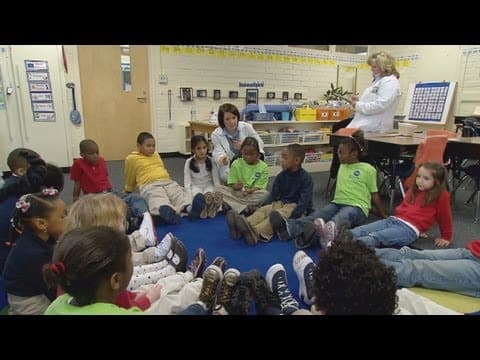
Jay: Let's get started. So we're gonna start with our simulated bush meat today. And we have three samples. >>Narrator: Something big is happening in this eleventh grade biology class. >>We're trying to actually kinda change the world a little bit. >>Jay: We thought up a lesson that would incorporate aspects in molecular biology, bioinformatics, ... Read More
Key Insights
- 📽️ The project integrates various aspects of biology, including molecular biology, bioinformatics, evolution, ecology, zoology, and biochemistry.
- 🌍 The aim is to develop forensic techniques that can support the prosecution of wildlife cases in East Africa.
- 👻 The project provides students with a sense of importance and allows them to partake in original research with real-world implications.
- 🧑🏫 The teacher, Dr. Jay Vavra, brings his previous professional experience in the biotech industry and other biological sciences into the classroom.
- 🧑🎓 Students have the opportunity to teach others at conferences, further highlighting the importance and impact of their research.
- 🌥️ The project is part of a larger effort to combat poaching in Sudan, Uganda, Tanzania, and Kenya.
- 🧑🎓 Students find the project engaging and relevant, with one student mentioning that it is more fun than any other classroom experience.
Install to Summarize YouTube Videos and Get Transcripts
Explore YouTube Video Summarizer or Get YouTube Transcript Extractor
Questions & Answers
Q: How do the students in this biology class use DNA barcoding?
The students use DNA barcoding to identify different types of meat, allowing them to determine if it comes from illegally hunted wildlife.
Q: What is the ultimate goal of the project?
The ultimate goal is to develop forensic techniques that can be used by African law enforcement officials to combat poaching by identifying illegally hunted wildlife.
Q: How does this project make biology class more engaging for the students?
The project gives students a sense of importance and allows them to engage in original research with real-world applications, making the class more exciting and meaningful.
Q: How are the students assessed in this class?
Instead of grades on high-stakes tests, students are assessed on their contribution to a final class product, which in this case is the creation of a forensics workshop to be given in Africa.
Summary & Key Takeaways
-
Students in an eleventh grade biology class use DNA barcoding to identify different types of meat.
-
The project aims to develop forensic techniques that can be used by African law enforcement to combat poaching.
-
Students have the opportunity to engage in original research that has real-world applications.
Read in Other Languages (beta)
Share This Summary 📚
Summarize YouTube Videos and Get Video Transcripts with 1-Click
Try YouTube Summary with ChatGPT & Claude or YouTube Transcript Generator
Explore More Summaries from Edutopia 📚




Summarize YouTube Videos and Get Video Transcripts with 1-Click
Try YouTube Summary with ChatGPT & Claude or YouTube Transcript Generator