Embracing Failure: Building a Growth Mindset Through the Arts
TL;DR
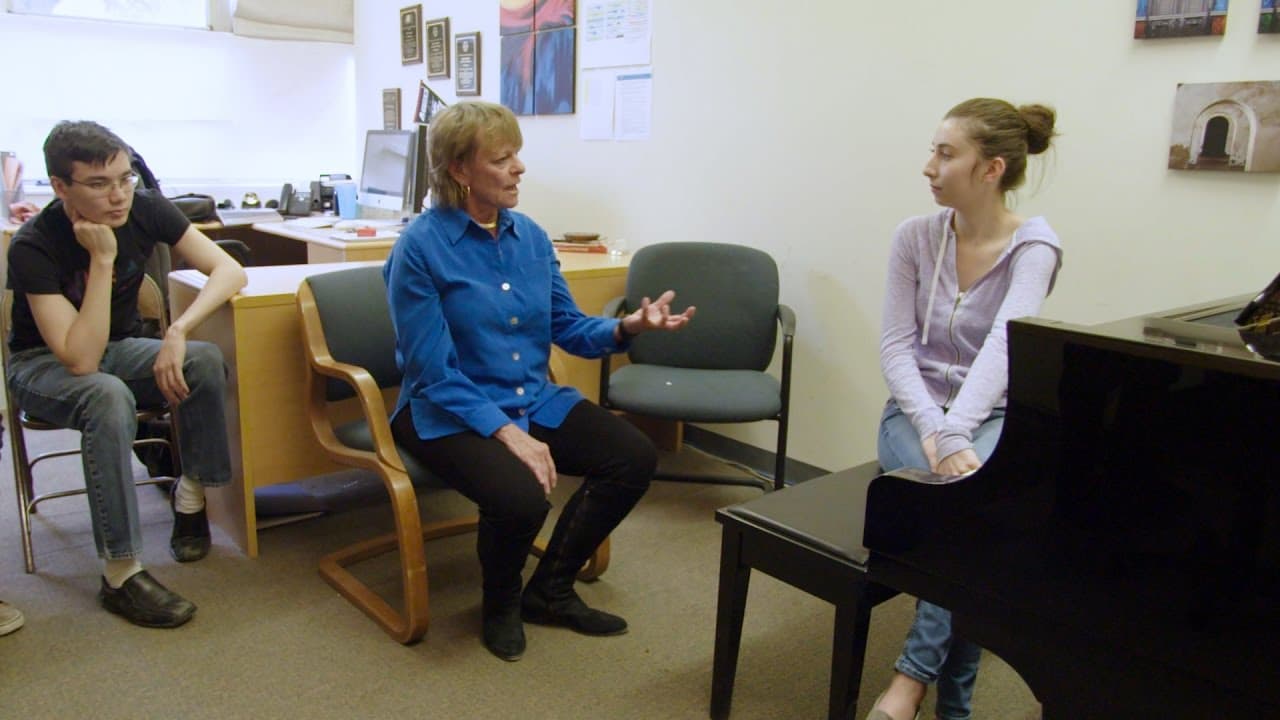
Students in an arts education program learn the value of making mistakes and embracing failure as a necessary part of the creative process.
Transcript
Adam: Great, thank you. So you take your jete role, you need to run that way. >>Cristina: The power of arts education is that the students learn that it's okay to make mistakes. It's okay, to fumble. It's okay to make bad work. In fact, you need to make bad work in order to get to the good work. >>Cindy: We're a state-wide charter, created so tha... Read More
Key Insights
- 🛰️ Arts education provides students with a safe space to make mistakes and learn from them, fostering growth and self-improvement.
- 🥰 Accepting and applying constructive criticism is a crucial skill that students develop in the arts education program.
- 🧑🎓 Students in the program are encouraged to embrace failure as a necessary part of the artistic journey.
- 🥰 The arts teach valuable life skills such as perseverance and the ability to handle critique.
- 💯 The program emphasizes the importance of practicing correctly, as practice makes permanent, not perfect.
- 😂 Feedback from teachers and peers serves as a second set of ears and helps students in their artistic development.
- 🙈 Failure is seen as an opportunity for growth, and students are given the chance to correct mistakes and end with a sense of victory.
Install to Summarize YouTube Videos and Get Transcripts
Explore YouTube Video Summarizer or Get YouTube Transcript Extractor
Questions & Answers
Q: How does arts education promote the acceptance of making mistakes?
Arts education teaches students that making mistakes is an essential part of the creative process, as it allows them to learn and improve. It encourages them to embrace failure and understand that bad work is necessary to reach good work.
Q: What skills do students in the arts education program develop?
Students in the arts education program develop various skills, including perseverance, accepting constructive criticism, and building on feedback. They also learn how to put critiques to use, accepting feedback as an opportunity to improve rather than taking it hurtfully.
Q: How does the program help students handle critiques?
The program teaches students to accept critique without feeling hurt by it. They are encouraged to start again from the beginning to discover new things and find greater success. By accepting feedback, students can use it to construct something greater rather than dwelling on negativity.
Q: How does practice contribute to growth in the arts?
Practice is essential in the arts, but it is important to practice correctly. Merely practicing a mistake repeatedly leads to getting better at that mistake. Recognizing mistakes and learning from them is key to moving forward and improving.
Summary & Key Takeaways
-
Arts education program in New Mexico provides students with access to arts programming and college preparation through a dual curriculum.
-
Students engage in both academic and arts blocks, honing their skills and learning to perform in smaller groups first.
-
Artists in the program display hard work, perseverance, and a willingness to keep trying, constructing something greater from constructive criticism.
Read in Other Languages (beta)
Share This Summary 📚
Summarize YouTube Videos and Get Video Transcripts with 1-Click
Try YouTube Summary with ChatGPT & Claude or YouTube Transcript Generator
Explore More Summaries from Edutopia 📚
Summarize YouTube Videos and Get Video Transcripts with 1-Click
Try YouTube Summary with ChatGPT & Claude or YouTube Transcript Generator