Why Are Wild Parrots Disappearing in Miami? | Short Film Showcase
TL;DR
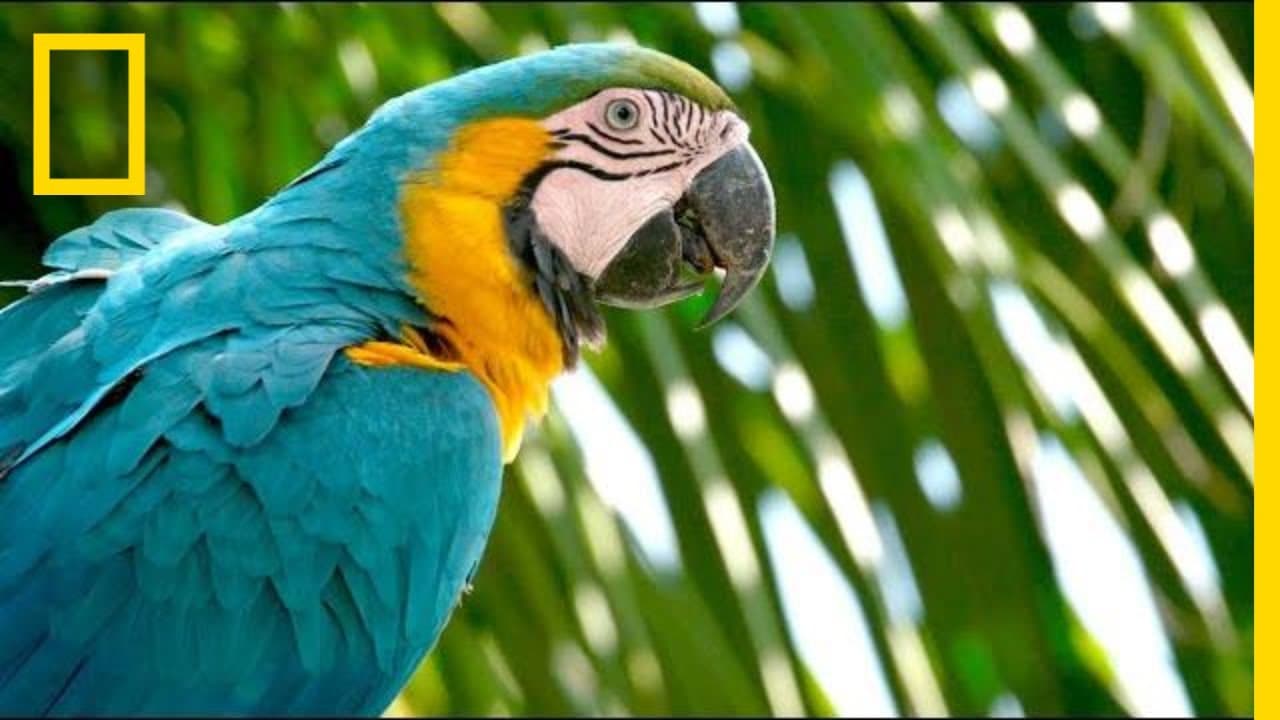
Wild macaws in Miami are facing threats from poaching, and their numbers have significantly declined in recent years.
Transcript
parrots are magic they make my day the French say that love begins with a coup de foudre or a thunder fight mine began with a hurricane 1992 my daughter and I heard the call of a well macaw and the mangrove across the street we dropped in and save the bird and that bird became the love of my life I didn't know I was a parent lover until Big Bird la... Read More
Key Insights
- 👪 Miami is home to a vibrant community of non-native macaws, creating a unique and diverse environment.
- ™️ The decline in the macaw population in Miami is a concern, potentially indicating a threat from poaching and illegal trade.
- 👮♀️ The woman's love for macaws has made her an advocate for their protection and the enforcement of bird sanctuary laws.
- 👳 The non-native macaws in Miami have adapted to the urban ecosystem but still require protection as wild animals.
- 😍 The public plays a crucial role in reporting and preventing poaching, serving as the eyes and ears of wildlife authorities.
- 🐠 Miami's charm would be diminished if the macaws were to disappear, as they are part of its unique and tropical environment.
- 👻 Differentiating between pet parrots and wild macaws is essential, as the latter should be allowed to fly freely in their natural habitat.
Install to Summarize YouTube Videos and Get Transcripts
Explore YouTube Video Summarizer or Get YouTube Transcript Extractor
Questions & Answers
Q: How did the woman develop a love for macaws?
The woman's love for macaws began when she rescued a macaw in 1992, and since then, she has become a passionate advocate for their well-being and conservation.
Q: What is the current situation for wild macaws in Miami?
The population of macaws in Miami has declined significantly, with numbers dropping from 44 to 12 since 2010. Poaching and illegal trade are believed to be major contributors to this decline.
Q: Are non-native macaws considered invasive species in Miami?
While non-native macaws have been observed nesting in South Florida, they heavily rely on the urban ecosystem within Miami. It is unlikely that they will become invasive in other parts of South Florida.
Q: How are macaws being poached in Miami?
Poachers often climb trees using cleats or ladders to take baby macaws from their nests. They also use net guns purchased online to capture and sell the birds.
Summary & Key Takeaways
-
A woman in Miami shares her love for macaws and how she has rescued and cared for several of them.
-
Miami is home to a diverse community of non-native macaws that interact with each other and native species.
-
The population of macaws in Miami has decreased drastically, potentially due to poaching and illegal trade.
Read in Other Languages (beta)
Share This Summary 📚
Summarize YouTube Videos and Get Video Transcripts with 1-Click
Try YouTube Summary with ChatGPT & Claude or YouTube Transcript Generator
Explore More Summaries from National Geographic 📚






Summarize YouTube Videos and Get Video Transcripts with 1-Click
Try YouTube Summary with ChatGPT & Claude or YouTube Transcript Generator