Political Parties in US Politics: From Washington's Warnings to Modern Realities
TL;DR
Political parties in the US play a crucial role in organizing political competition, mobilizing voters, facilitating governance, and acting as a linkage between the government and the public. However, they also face challenges such as increasing polarization, the impact of digital technology, declining party loyalty, demographic shifts, and the rise of anti-establishment sentiments.
Transcript
in his farewell address in 1796 President George Washington expressed a strong warning against the dangers of political parties his concern was rooted in the belief that factionalism could lead to interpart conflict distract from governance and potentially lead to a decline in Democratic Norms specifically Washington warned that political parties o... Read More
Key Insights
- 🥳 President George Washington warned against the dangers of political parties, fearing interparty conflict, distraction from governance, erosion of democratic norms, and foreign influence and corruption.
- 🧑🏭 Political parties in the US work towards electing candidates, influencing public policy, educating voters, facilitating governance, providing opposition, and acting as a linkage between the government and the public.
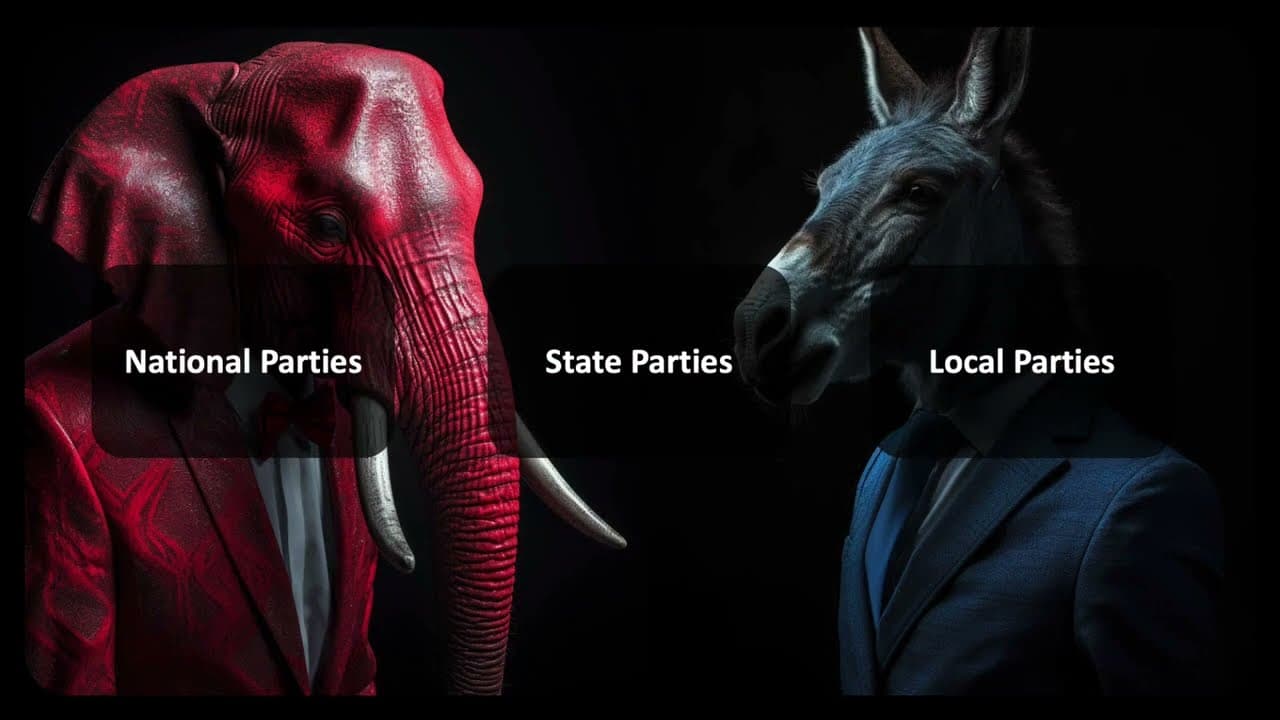
- 🥳 The three faces of political parties are the party in the electorate, the party as an organization, and the party in government, each playing distinct but interconnected roles.
- 🥳 Challenges faced by political parties in the US include increasing polarization, the impact of digital technology and misinformation, declining party loyalty, demographic shifts, and the rise of anti-establishment sentiments.
- 🥳 The ideological divide between parties, declining loyalty, and demographic shifts have led to more unpredictable election outcomes and the need for parties to reassess their platforms and outreach strategies.
- 🥳 The rise of populist and anti-establishment sentiments challenges the traditional party system and may result in the rise of outsider candidates and a reevaluation of party platforms.
- 🥳 Local party organizations, while less powerful than in the past, still contribute to local election campaigns and serve as a training ground for candidates.
Install to Summarize YouTube Videos and Get Transcripts
Explore YouTube Video Summarizer or Get YouTube Transcript Extractor
Questions & Answers
Q: Why did George Washington express concern about political parties in his farewell address?
George Washington believed that political parties could lead to factionalism, interparty conflict, distraction from governance, and erosion of democratic norms. He feared excessive partisanship, revenge spirit, and foreign influence and corruption.
Q: How do political parties in the US work towards influencing public policy?
Political parties develop and promote policy agendas aligned with their ideology and interests. They seek to elect officials from their party who will work to enact these policies. Parties also organize debates, votes, and the legislative process within legislative bodies.
Q: What role do political parties play in elections?
Political parties recruit, nominate, and endorse candidates for public office, providing voters with a pool of candidates to choose from. They educate voters about issues and candidates, encourage voter turnout, and provide logistical support on voting days.
Q: How do political parties act as intermediary bodies between the government and the public?
Political parties ensure that diverse interests are represented and that public opinion is reflected in government policies. They govern and provide opposition to hold the ruling party accountable. Parties bridge the gap between the populace and the government, helping the political system operate responsively.
Summary & Key Takeaways
-
President George Washington warned against the dangers of political parties, fearing interparty conflict, distraction from governance, and decline in democratic norms.
-
Political parties in the US work towards electing their candidates to office, influencing public policy and government, educating voters, and providing opposition to the ruling party.
-
There are three faces of political parties: the party in the electorate, the party as an organization, and the party in government, each playing a distinct but interconnected role.
Read in Other Languages (beta)
Share This Summary 📚
Summarize YouTube Videos and Get Video Transcripts with 1-Click
Try YouTube Summary with ChatGPT & Claude or YouTube Transcript Generator
Explore More Summaries from Noah Zerbe 📚

Summarize YouTube Videos and Get Video Transcripts with 1-Click
Try YouTube Summary with ChatGPT & Claude or YouTube Transcript Generator