What happens when you treat health care like a soap opera
TL;DR
Cable news dramatizes health care debates, distorting public understanding.
Transcript
Republicans are having a real bad time defending their health care bill. … and now these people don’t have the insurance they need ’cause they’re poor. It’s expected to cause about 20 million Americans to lose health insurance over the next few years, and people are pissed. The fight and the fury mounting over the House health care bill. Blowback f... Read More
Key Insights
- Republicans face backlash over their health care bill, expected to cause 20 million Americans to lose insurance.
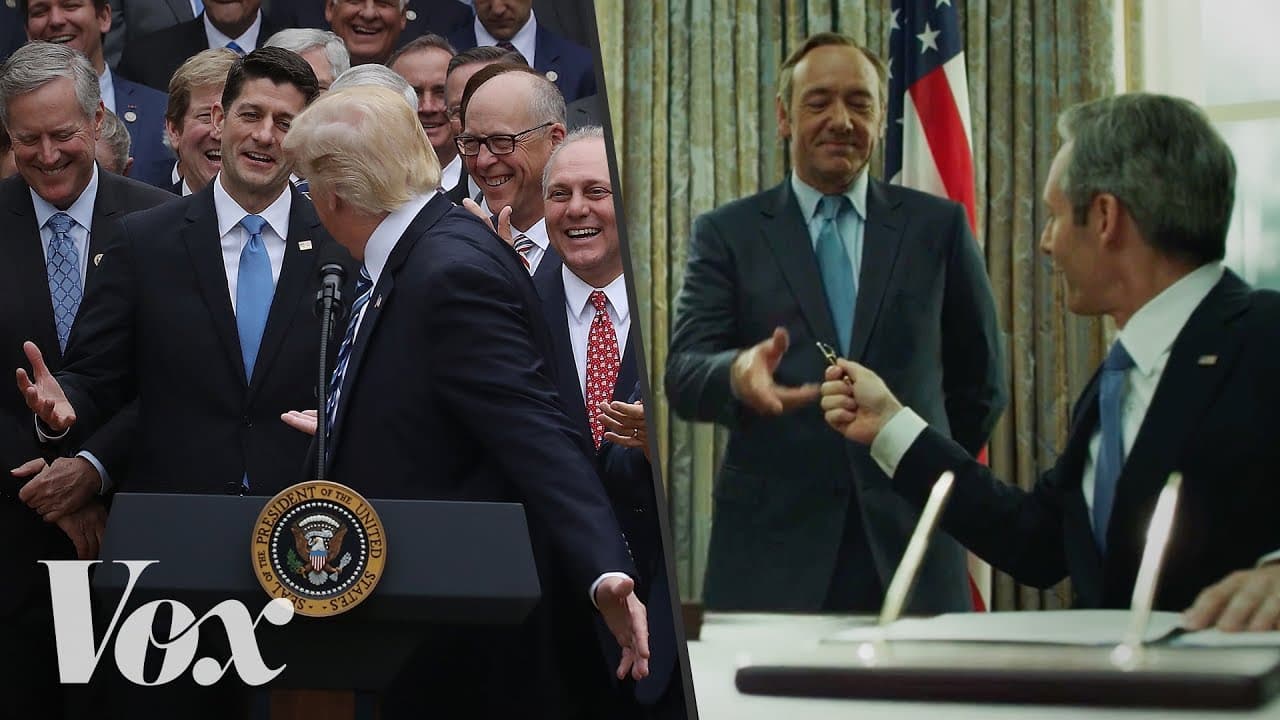
- Cable news focuses on the drama of passing bills, likening it to a political soap opera like House of Cards.
- This dramatic coverage fails to inform viewers of the actual implications of the health care bill.
- Interviews with politicians often lack substance, focusing instead on trivial details like social events.
- Journalists miss opportunities to ask meaningful questions about the health care bill's impact on real people.
- The media's focus on political strategy over policy substance misleads the public on the bill's consequences.
- The fixation on political drama trains audiences to prioritize politics over policy in understanding legislation.
- Viewers desire clear, fact-based information about health care, as evidenced by more substantive town hall discussions.
Install to Summarize YouTube Videos and Get Transcripts
Explore YouTube Video Summarizer or Get YouTube Transcript Extractor
Questions & Answers
Q: How does cable news coverage of health care legislation resemble a soap opera?
Cable news often dramatizes the process of passing health care legislation by focusing on the political maneuvering and negotiations, similar to a soap opera. This includes highlighting the suspense of vote counts, the pressure on politicians, and the behind-the-scenes deals, rather than discussing the bill's actual implications for the public.
Q: What are the consequences of treating health care debates like political drama?
Treating health care debates as political drama can mislead the public by prioritizing spectacle over substance. It shifts focus from the real-world impact of legislation to political strategy, leaving viewers uninformed about how the bill affects their lives and potentially leading to misguided opinions and decisions.
Q: Why is the media's focus on political strategy problematic for public understanding?
The media's focus on political strategy over policy substance can warp public understanding by emphasizing the 'game' of politics rather than the actual effects of legislation. This approach can prevent viewers from grasping the true impact of policies on their lives, leading to a less informed and engaged citizenry.
Q: What type of coverage do audiences prefer regarding health care issues?
Audiences prefer clear, fact-based coverage that explains the real-world implications of health care policies. This is evident from town halls where real people ask substantive questions about how policies affect their lives, indicating a desire for information that goes beyond political drama and focuses on tangible outcomes.
Q: How do interviews with politicians on health care often fall short?
Interviews with politicians on health care often fall short by focusing on superficial or trivial matters, such as social events, rather than pressing them on the substantive details of the legislation. This approach fails to hold politicians accountable and leaves viewers without a clear understanding of how policies will impact their health care.
Q: What is the impact of media treating health care votes like a 'House of Cards' episode?
When media treats health care votes like a 'House of Cards' episode, it sensationalizes the process, focusing on the drama of passing a bill rather than its content. This can lead to a misinformed public that is more interested in political maneuvering than understanding the policy's effects on their health care.
Q: Why is it important for journalists to ask meaningful questions about health care policies?
It's important for journalists to ask meaningful questions about health care policies to provide the public with a clear understanding of how these policies will affect them. Meaningful questions can uncover the true implications of legislation, hold politicians accountable, and ensure that viewers are well-informed about decisions that impact their health care.
Q: What role should health care experts play in media coverage of health care legislation?
Health care experts should play a central role in media coverage of health care legislation by providing informed analysis and insights into the policy's impact. Their expertise can help clarify complex issues, debunk misinformation, and ensure that the public receives accurate and comprehensive information about how legislation will affect their health care.
Summary & Key Takeaways
-
Cable news coverage of the Republican health care bill focused excessively on the political drama of passing the bill, rather than its actual impact on Americans. This approach, likened to a soap opera, distorts viewers' understanding of the bill's significance and consequences.
-
Interviews with politicians often devolved into trivial matters, neglecting to address the substantive issues at stake. This type of coverage misleads audiences, focusing on political strategy rather than the policy's real-world effects.
-
There is a clear public demand for fact-based, informative coverage of health care issues. Town halls featuring real people's questions demonstrate that audiences are engaged and concerned about the policy's impact on their lives.
Read in Other Languages (beta)
Share This Summary 📚
Summarize YouTube Videos and Get Video Transcripts with 1-Click
Try YouTube Summary with ChatGPT & Claude or YouTube Transcript Generator
Explore More Summaries from Vox 📚

Summarize YouTube Videos and Get Video Transcripts with 1-Click
Try YouTube Summary with ChatGPT & Claude or YouTube Transcript Generator