Learning the Physics of Skateboarding Engages Kids in Science
TL;DR
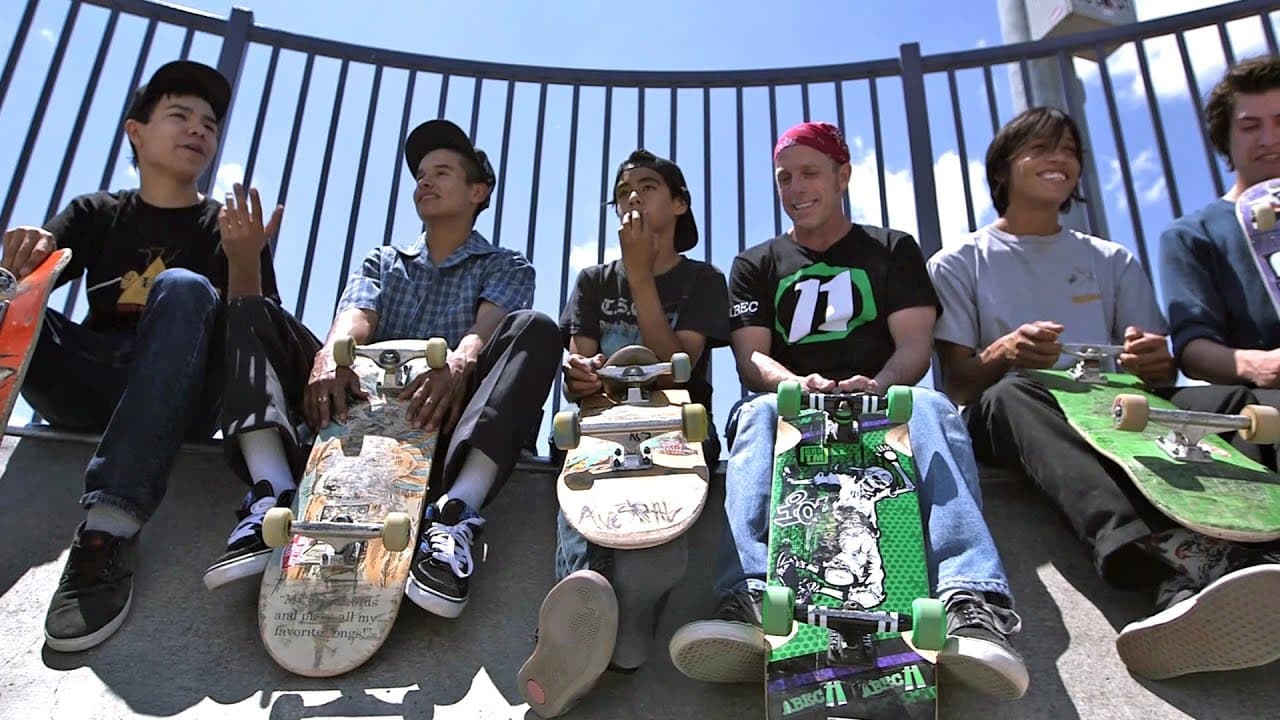
A skateboarder and professor explains how skateboarding and science share common elements and how skate parks can be effective learning environments.
Transcript
Dr Skateboard: A skateboarder in a skate park is actively analyzing, synthesizing and evaluating their environment. You're working with simple machines and a compound machine, like a skateboard. You're looking at angles and the geometry of a skate park, making small adjustments built on trial and error. I think that's something that scientists an... Read More
Key Insights
- 🫵 Skateboarders view their environment as something to skate on, showcasing a unique perspective and creative problem-solving ability.
- 💖 Skate parks offer a real-world laboratory where skateboarders apply scientific principles to make subtle adjustments and achieve desired outcomes.
- 🛹 Skateboarding requires precision and an understanding of potential and kinetic energy, providing practical applications for scientific concepts.
- 💖 Skate parks serve as alternative educational environments and enable marginalized or disinterested students to find pathways to successful learning.
- 🥺 Mastery is crucial in skateboarding, and Dr. Skateboard believes it can lead to success in other areas of life.
Install to Summarize YouTube Videos and Get Transcripts
Explore YouTube Video Summarizer or Get YouTube Transcript Extractor
Questions & Answers
Q: How do skateboarders transition from balanced to unbalanced forces?
Skateboarders do this by using motion and going with the flow. By compressing their knees, they can drive force back, slow down, and gain enough speed to perform the trick.
Q: What types of kids can you find at a skate park?
Typically, skaters at skate parks are passionate about the sport, inherently creative, daring, and dissatisfied with traditional learning in school.
Q: Where does learning occur?
Learning occurs when individuals engage in high-risk and high-ambiguity situations, where there is a challenge, risk of embarrassment, and unknown outcomes. These situations prompt deep learning experiences.
Q: How do skateboarders create speed and force?
Skateboarders create speed and force primarily through gravity. By utilizing gravity, they can generate the necessary momentum to perform tricks.
Summary & Key Takeaways
-
Dr. Skateboard, a skateboarder and professor, discusses how skateboarding involves analyzing and evaluating the environment, much like scientists do.
-
Skate parks provide opportunities for skateboarders to work with simple and compound machines and explore concepts of angles and geometry.
-
Learning occurs in high-risk and high-ambiguity situations, where skateboarders take creative and daring risks to learn new tricks.
Read in Other Languages (beta)
Share This Summary 📚
Summarize YouTube Videos and Get Video Transcripts with 1-Click
Try YouTube Summary with ChatGPT & Claude or YouTube Transcript Generator
Explore More Summaries from Edutopia 📚

Summarize YouTube Videos and Get Video Transcripts with 1-Click
Try YouTube Summary with ChatGPT & Claude or YouTube Transcript Generator