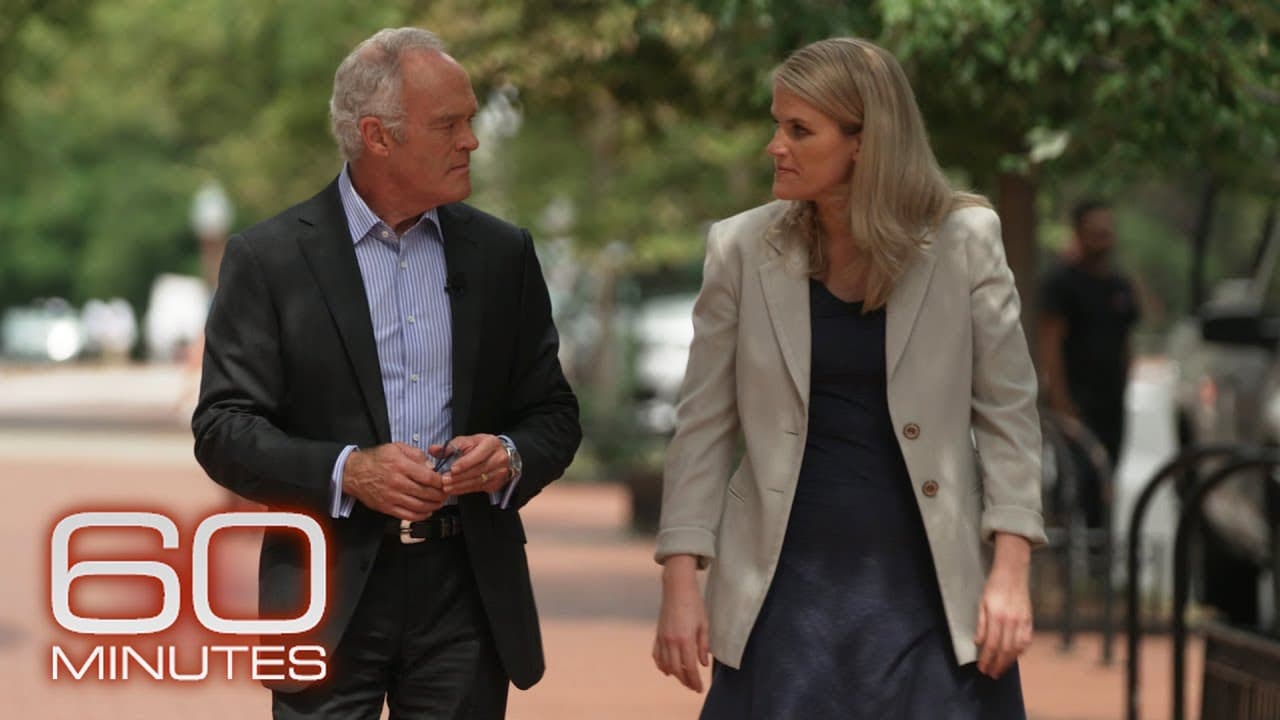
Facebook whistleblower on the company's algorithm
TL;DR
Facebook's algorithm incentivizes publishers to produce angry, polarizing content, leading to increased engagement and profitability but contradicting the company's mission to connect people.
Transcript
facebook whistleblower francis haugen on the social platforms algorithm one of the most shocking pieces of information that i brought out of facebook that i think is essential to this disclosure is political parties have been quoted in facebook's own research saying we know you changed how you pick out the content that goes in the home fe... Read More
Key Insights
- 🥳 Political parties acknowledge the necessity of publishing angry, polarizing content to receive distribution on Facebook's home feed.
- 💀 Facebook's algorithms prioritize profit over its mission to connect people, as anger-inducing content drives engagement and profitability.
- 👤 Facebook's experiments demonstrate that users can be guided into extremist or misleading content by the platform's algorithmic suggestions.
- 😡 Engagement-based ranking on Facebook reinforces the cycle of angry content production and increased traffic to publishers' sites.
- 🦻 The spread of disinformation and misinformation is aided by Facebook's algorithm, which prioritizes engagement over accuracy.
- 👤 Facebook's system of incentives creates division among users and contributes to societal polarization.
- 😡 Content producers worldwide are motivated to create angry content to achieve greater distribution on Facebook.
Install to Summarize YouTube Videos and Get Transcripts
Explore YouTube Video Summarizer or Get YouTube Transcript Extractor
Questions & Answers
Q: How do political parties benefit from publishing angry and divisive content on Facebook?
Political parties have realized that publishing angry, hateful, and divisive content leads to increased distribution on Facebook's home feed, providing them with the necessary traffic and engagement to maintain their jobs. Despite their distaste for this strategy, they are compelled to produce such content to remain relevant and visible on the platform.
Q: What impact does Facebook's algorithm have on its mission to connect people globally?
Facebook's algorithmic incentives prioritize profit over its mission to connect people worldwide. By promoting anger-inducing content, the platform drives engagement, but at the cost of driving people apart. This contradicts the goal of fostering connections and fostering a united global community.
Q: How does Facebook's algorithm contribute to the spread of disinformation and misinformation?
Facebook's experiments have revealed that users who engage with specific sources or topics are more likely to be shown content related to conspiracy theories, such as QAnon or white genocide. Facebook prioritizes showing content that generates high engagement, regardless of its accuracy or harmful effects. This algorithmic approach amplifies the spread of disinformation and misinformation within the platform's user base.
Q: How does Facebook determine what content to display to individual users?
Facebook's algorithm uses engagement-based ranking, focusing on meaningful social interactions such as reacts, likes, and comments. It analyzes users' previous clicks and forms a model to understand their preferences. Publishers are aware that users are more likely to engage with angry content, creating a perfect reverse correlation where angrier content leads to increased traffic from Facebook to their publishing sites.
Summary & Key Takeaways
-
Political parties have acknowledged in Facebook's research that they must publish angry and divisive content to receive distribution, even when they and their constituents disapprove.
-
Facebook's algorithmic financial incentives do not align with its mission to connect people globally, as it profits from content that fosters anger and polarization.
-
Experiments have shown that Facebook's algorithms prompt the display of controversial and misleading content, contributing to the spread of disinformation and misinformation.
Read in Other Languages (beta)
Share This Summary 📚
Summarize YouTube Videos and Get Video Transcripts with 1-Click
Try YouTube Summary with ChatGPT & Claude or YouTube Transcript Generator
Explore More Summaries from 60 Minutes 📚




Summarize YouTube Videos and Get Video Transcripts with 1-Click
Try YouTube Summary with ChatGPT & Claude or YouTube Transcript Generator