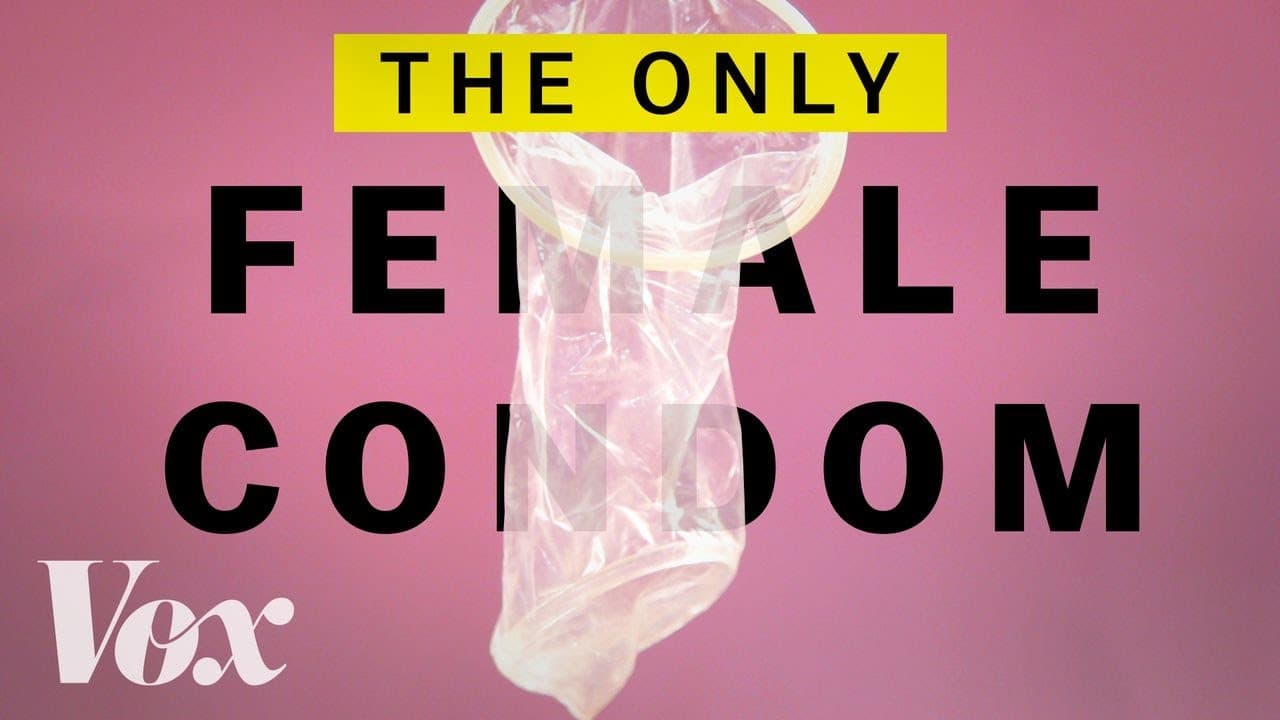
Why female condoms are so hard to find
TL;DR
Only one female condom exists in the US, requiring a prescription.
Transcript
Male condoms come in all types of fun shapes and sizes and flavors. Some even glow-in-the-dark. There are hundreds of male condoms that have been approved by the FDA. Amazon alone has 76 pages full of different options, but how many types of female condoms are available in the US? Turns out, just one. A female condom is the only woman-initiated met... Read More
Key Insights
- Despite the availability of hundreds of male condoms, only one type of female condom is available in the US, and it requires a prescription.
- Female condoms provide a woman-initiated method for preventing unplanned pregnancies and STIs, being almost as effective as male condoms.
- The lack of accessibility and awareness of female condoms in the US is a significant barrier to their adoption and usage.
- The initial prototype of the female condom was created in the 1980s, but its design and marketing faced ridicule and stigma.
- In Zimbabwe, marketing campaigns successfully increased the usage of female condoms, showing that awareness can lead to higher adoption rates.
- The FDA's strict regulation of female condoms as medical devices has hindered their market approval and accessibility.
- Reclassifying female condoms as 'single-use internal condoms' could ease restrictions and promote broader use.
- Female condoms empower receptive partners to protect themselves, providing a valuable alternative to male condoms.
Install to Summarize YouTube Videos and Get Transcripts
Explore YouTube Video Summarizer or Get YouTube Transcript Extractor
Questions & Answers
Q: Why is there only one female condom available in the US?
The sole female condom available in the US is due to the strict FDA regulations classifying it as a medical device, requiring extensive research for approval. Additionally, the manufacturer switched to a prescription-only model in 2017, further limiting accessibility and contributing to its scarcity compared to male condoms.
Q: What are the benefits of female condoms?
Female condoms offer a woman-initiated method for preventing sexually transmitted infections (STIs) and unplanned pregnancies. They can be inserted up to eight hours before intercourse, providing convenience and eliminating the need to pause during intimate moments. They also empower receptive partners to take control of their sexual health.
Q: What challenges have female condoms faced since their introduction?
Since their introduction in the 1980s, female condoms have faced challenges such as design criticisms, stigma, and limited awareness. The initial version was ridiculed for its appearance and noise, while the second version, despite improvements, suffered from poor marketing and a shift to a prescription-only model in 2017.
Q: How did Zimbabwe successfully increase the usage of female condoms?
Zimbabwe increased the usage of female condoms through targeted marketing campaigns across universities, pharmacies, and hair salons. These efforts, coupled with government support, raised awareness and acceptance, resulting in higher adoption rates and a decline in HIV cases, demonstrating the impact of effective promotion and education.
Q: What potential changes could improve the accessibility of female condoms in the US?
Reclassifying female condoms as 'single-use internal condoms' by the FDA could improve accessibility by easing regulatory restrictions. This change would facilitate market entry for more companies, increasing availability. Additionally, raising awareness and promoting understanding of their benefits could drive higher adoption rates among users.
Q: Why did the manufacturer switch to a prescription-only model for female condoms?
The manufacturer switched to a prescription-only model in 2017, possibly due to regulatory challenges and market dynamics. This decision limited the availability of female condoms in retail stores, requiring individuals to visit a doctor or purchase them online, which contributed to their low visibility and usage.
Q: What role do female condoms play in sexual health empowerment?
Female condoms empower individuals, particularly women and receptive partners, by providing a self-initiated method of protection against STIs and unplanned pregnancies. They enable users to take control of their sexual health, offering an alternative to male condoms and promoting informed and autonomous decision-making in intimate relationships.
Q: How does the stigma surrounding female condoms impact their usage?
The stigma surrounding female condoms, stemming from initial design criticisms and media ridicule, impacts their usage by discouraging public acceptance and awareness. Negative perceptions and lack of education hinder their popularity, as individuals are less likely to adopt a product perceived as awkward or unnecessary compared to more familiar male condoms.
Summary & Key Takeaways
-
The video discusses the disparity in availability between male and female condoms in the US, highlighting that only one female condom exists and requires a prescription. Female condoms are effective in preventing STIs and pregnancies but lack accessibility and awareness, contributing to their limited use.
-
Female condoms have faced challenges since their introduction in the 1980s, including design criticisms and stigma. Despite improvements and a second version, their popularity remains low due to limited marketing and the prescription-only model adopted in 2017.
-
Efforts to increase female condom usage, such as reclassification by the FDA and raising awareness, could empower women and receptive partners to protect themselves. Successful campaigns in countries like Zimbabwe demonstrate the potential for increased adoption with proper promotion.
Read in Other Languages (beta)
Share This Summary 📚
Summarize YouTube Videos and Get Video Transcripts with 1-Click
Try YouTube Summary with ChatGPT & Claude or YouTube Transcript Generator
Explore More Summaries from Vox 📚


Summarize YouTube Videos and Get Video Transcripts with 1-Click
Try YouTube Summary with ChatGPT & Claude or YouTube Transcript Generator