7.1 Equivalence theory vs. Skopos theory
TL;DR
Translation theory has evolved from a focus on equivalence to considering the purpose and function of the translation, leading to a paradigm shift in how translations are approached.
Transcript
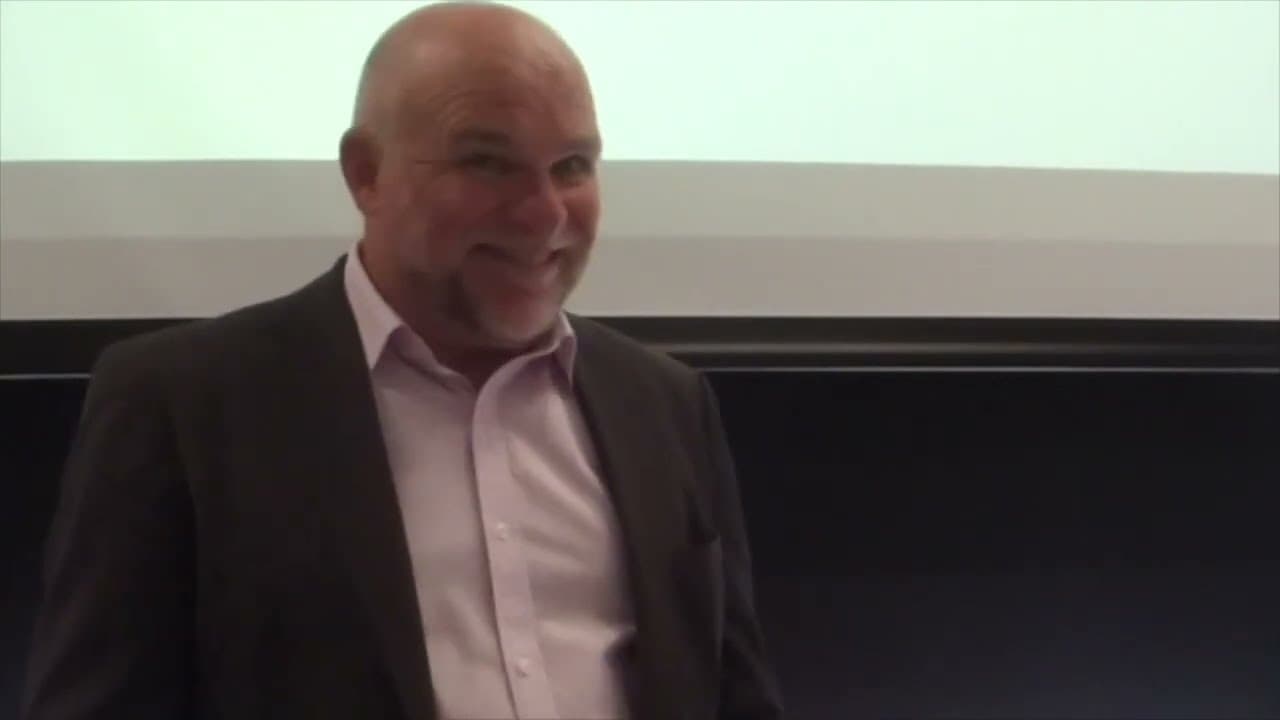
Saussure was one of the first to bring up the problem that different languages cut up the world in different ways. So that's a sheep and that is... what is that called, please? Mutton. Lovely. Thank you. In French, though, they're both called mouton. The animal and the meat have the same name in English, one is a sheep and the other is mutton. So t... Read More
Key Insights
- 👾 Different languages partition the world differently, posing challenges for translation due to differing semantic spaces.
- 💱 The equivalence paradigm suggests that translators can change the text to establish communicative functional equivalents, enabling translation.
- 👻 Skopos theory emphasizes the importance of the purpose and function of the translation, allowing for diverse translation approaches based on client instructions and target audience needs.
- 😵 Skopos theory considers translations as cross-cultural communication acts, with the translator playing a central role in achieving the desired effect and communication in the target culture.
- ❓ Translations can have different purposes and approaches, with equivalence being just one possibility among many.
- 🎮 The Skopos theory challenges the traditional notion of equivalence as the sole objective of translation.
- 🎯 Skopos theorists argue that translations should not be solely determined by the source text but by the target purpose of the translation.
Install to Summarize YouTube Videos and Get Transcripts
Explore YouTube Video Summarizer or Get YouTube Transcript Extractor
Questions & Answers
Q: What is the main problem highlighted by Saussure regarding translation?
Saussure emphasizes that different languages categorize semantic space differently, making it difficult to directly translate words and concepts between languages.
Q: According to the equivalence paradigm, how can translations achieve equivalence?
In the equivalence paradigm, translators change the text by employing various strategies called shifts, such as adding or omitting information or altering sentence structures, in order to establish communicative functional equivalents.
Q: How does the Skopos theory differ from the equivalence paradigm?
Skopos theory considers the purpose and function of the translation, suggesting that translations can have different purposes and approaches based on the needs of the client and the target audience. It shifts the focus from word-for-word equivalence to achieving the desired effect and communication in the target culture.
Q: Who determines the purpose and approach of a translation according to the Skopos theory?
According to Skopos theory, the translator plays a crucial role in determining the purpose and approach of the translation, taking into account the instructions from the client and the needs of the target audience.
Summary & Key Takeaways
-
Different languages divide the world differently, making translation challenging as semantic spaces differ. Structuralism suggests translation is impossible due to these differences.
-
The equivalence paradigm emerged, proposing that translators can change the text to establish communicative functional equivalents, allowing for translation between languages.
-
The Skopos theory challenges the equivalence paradigm by emphasizing the importance of the purpose of the translation, suggesting that translations can have different purposes and functions, resulting in different translation approaches.
-
Skopos theorists argue that the translator plays a crucial role in determining the purpose and approach of the translation, while also considering the client's instructions and the needs of the target audience.
Read in Other Languages (beta)
Share This Summary 📚
Summarize YouTube Videos and Get Video Transcripts with 1-Click
Try YouTube Summary with ChatGPT & Claude or YouTube Transcript Generator
Explore More Summaries from Anthony Pym 📚

Summarize YouTube Videos and Get Video Transcripts with 1-Click
Try YouTube Summary with ChatGPT & Claude or YouTube Transcript Generator