What Are Common SEO Issues Addressed by Google?
TL;DR
Common SEO issues discussed by John Mueller include PageSpeed fluctuations, quality of tag pages, and site migration impacts on rankings. Webmasters should address low-quality tag pages with no-indexing, ensure proper handling of HTTPS redirects, and consider maintaining consistent URLs for seasonal content to enhance search visibility.
Transcript
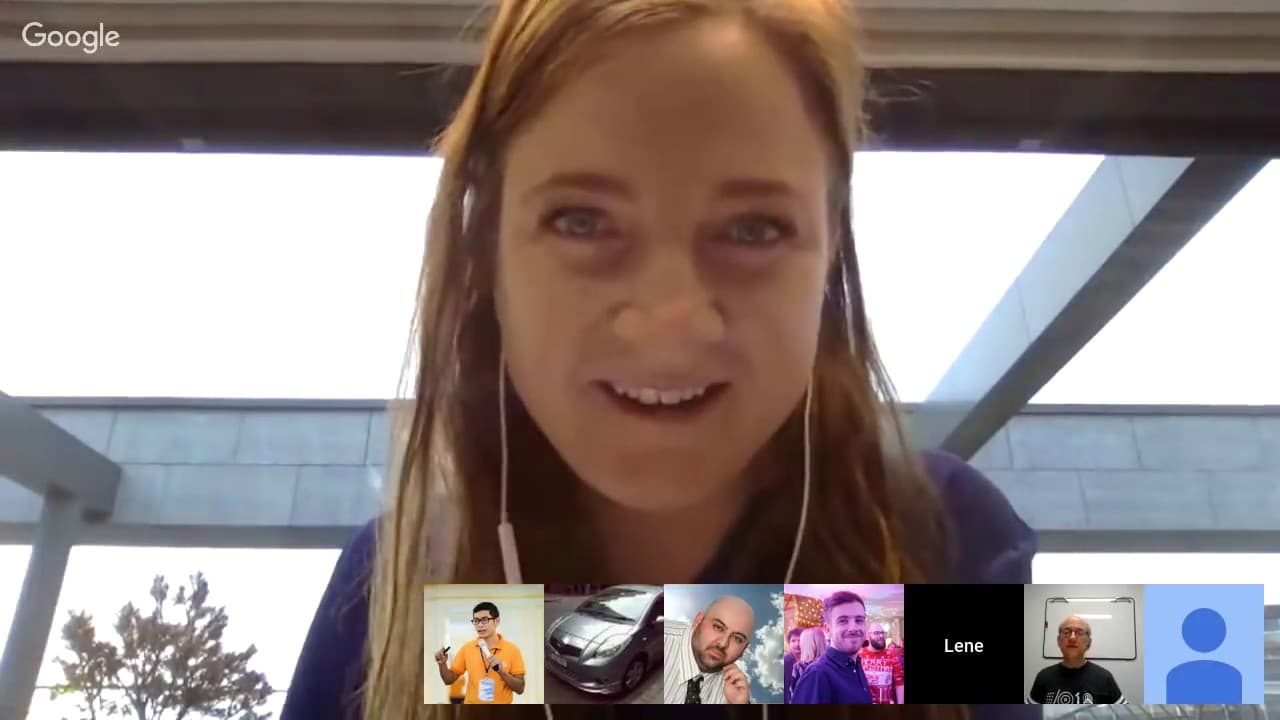
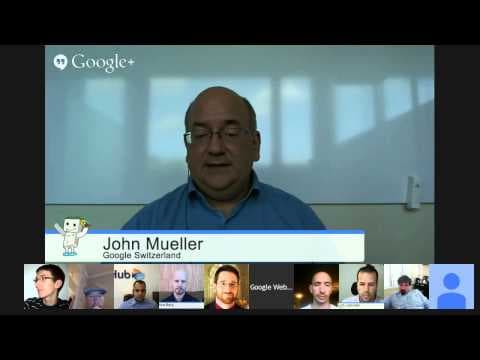
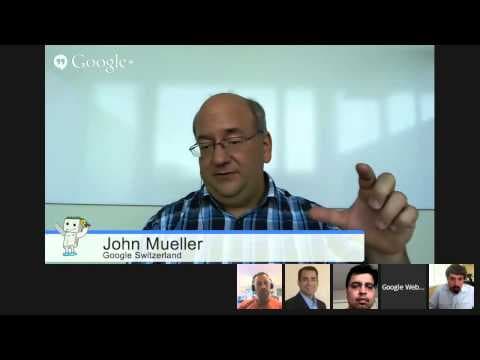
all right welcome everyone to today's webinar central office hours hangouts my name is John Mueller I am a webmaster trends analyst here at Google in Switzerland and part of what we do are these office hour hangouts with webmasters and publishers all around web search related questions as always the bunch of questions that were submitted but if any... Read More
Key Insights
- PageSpeed fluctuations are likely due to page-specific issues rather than changes made by Google's PageSpeed team, suggesting webmasters should investigate their own digital assets.
- Tag pages can be useful if they are high quality, but if they're low quality, they should be no-indexed to avoid cluttering search results.
- Google Search Console's performance report differentiates between queries and pages, which can affect how data is interpreted.
- Site migrations can lead to temporary ranking drops, especially if coinciding with Google algorithm updates, making it crucial to handle redirects and indexing properly.
- Seasonal content should be managed carefully, possibly by reusing URLs for different seasons, to maintain search visibility and ranking.
- Crawling issues often stem from technical factors like URL patterns or internal linking, and improving these can lead to better indexing.
- Google does not use social signals as a ranking factor, but brand searches can indicate user interest and relevance.
- AdWords campaigns do not directly affect organic search rankings, allowing webmasters to focus on other SEO factors.
Install to Summarize YouTube Videos and Get Transcripts
Explore YouTube Video Summarizer or Get YouTube Transcript Extractor
Questions & Answers
Q: What causes fluctuations in PageSpeed results?
Fluctuations in PageSpeed results are often due to specific issues with a page rather than changes made by Google's PageSpeed team. Webmasters should investigate their own digital assets to identify and resolve any issues that may be affecting PageSpeed scores, such as lazy loading images or other performance bottlenecks.
Q: How should tag pages be managed for SEO?
Tag pages should be treated like any other page on your website. If they are high quality and relevant, they can be indexed. However, if they are low quality or provide little value, it is advisable to no-index them to prevent them from cluttering search results. Differentiating between good and bad tag pages can help maintain a clean and effective search presence.
Q: What is the difference between search queries and pages in Search Console?
In Google Search Console, the performance report differentiates between queries and pages. When looking by query, all pages shown for that query are included, whereas looking by page only shows data for that specific page. This distinction is important for understanding how different pages perform for specific queries and optimizing accordingly.
Q: How can site migrations affect search rankings?
Site migrations, such as moving to HTTPS, can temporarily affect search rankings, especially if they coincide with Google algorithm updates. It's crucial to handle redirects, indexing, and other technical aspects properly to minimize disruptions. Ensuring that the new site is well-linked and properly indexed can help restore rankings over time.
Q: What is the best way to handle seasonal content?
For seasonal content, it's advisable to use consistent URLs that can be updated with new content for different seasons. This approach helps maintain search visibility and ranking by building link equity and user recognition over time. Seasonal pages should also be prominently linked within the site to signal their importance to search engines.
Q: Are social signals used in Google's ranking algorithm?
Google does not use social signals as a direct ranking factor. However, brand searches can indicate user interest and relevance, which may indirectly influence search visibility. Building a strong brand presence can lead to more direct searches for your brand, which is beneficial for search rankings.
Q: Do AdWords campaigns affect organic search rankings?
AdWords campaigns do not directly affect organic search rankings. While there may be indirect effects, such as increased brand awareness leading to more organic searches, the presence of ads does not influence the organic algorithm. Webmasters should focus on optimizing their sites for organic search independently of their advertising efforts.
Q: How should webmasters handle a sudden rise in 404 errors?
A sudden rise in 404 errors, especially after a CMS change, should be investigated to ensure no important pages are incorrectly returning 404. While 404 errors are not inherently negative for SEO, they can indicate issues with internal linking or URL structure that need to be addressed. Setting up redirects for important pages can help maintain user experience and search visibility.
Summary & Key Takeaways
-
John Mueller discusses various webmaster concerns, including PageSpeed issues and tag page quality. Webmasters are advised to monitor their digital assets and consider no-indexing low-quality tag pages to avoid search clutter.
-
Site migrations to HTTPS can impact rankings, especially if they coincide with algorithm updates. Proper handling of redirects and indexing is crucial to minimize disruptions in search visibility.
-
Google's approach to seasonal content involves using consistent URLs for different seasons to maintain visibility. Social signals are not used in ranking, but brand searches can show user interest.
Read in Other Languages (beta)
Share This Summary 📚
Summarize YouTube Videos and Get Video Transcripts with 1-Click
Try YouTube Summary with ChatGPT & Claude or YouTube Transcript Generator
Explore More Summaries from Google Search Central 📚

Summarize YouTube Videos and Get Video Transcripts with 1-Click
Try YouTube Summary with ChatGPT & Claude or YouTube Transcript Generator