The royal weddings that shaped European history
TL;DR
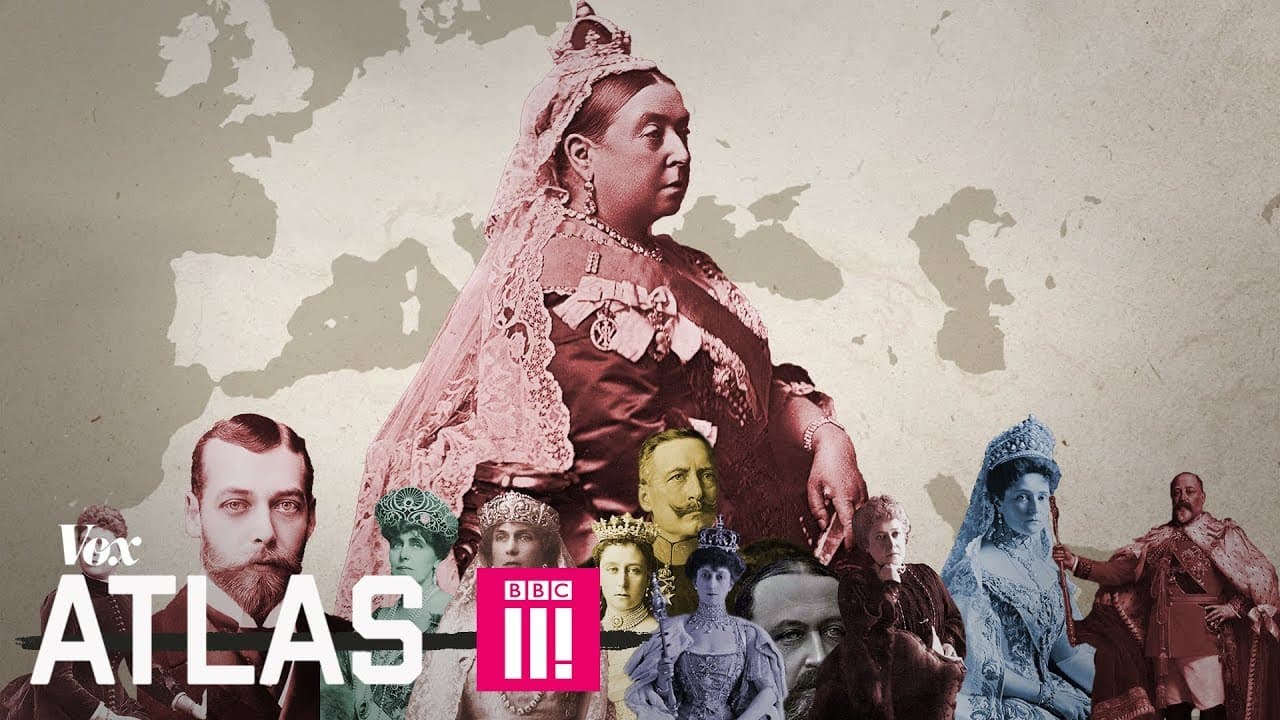
Queen Victoria's strategic marriages reshaped European royalty but failed to prevent World War I.
Transcript
The last British royal wedding -- between Prince William and Kate Middleton, brought together 1,900 guests, many of whom were pretty high profile people. Footballer David Beckham was there with his wife and fashion designer Victoria Beckham. Elton John was there too. But this photo might be the most impressive of all, because This is the Queen of S... Read More
Key Insights
- Queen Victoria used marriages as a strategic tool to place her descendants in key European royal families, aiming to maintain political power and peace.
- The British monarchy, under Victoria, sought alliances by marrying children into German royalty, hoping to influence the unification of Germany positively.
- Despite strategic marriages, tensions between Britain and Russia persisted due to differing political systems and territorial competition.
- Queen Victoria's descendants occupied significant European thrones, including Britain, Germany, Russia, and Romania, influencing international relations.
- The outbreak of World War I shattered the familial alliances, as Victoria's grandchildren found themselves on opposing sides of the conflict.
- The war marked the end of many European monarchies, with revolutions and abdications reshaping the continent's political landscape.
- The British monarchy adapted post-war by becoming more accessible and engaging with the public, a strategy that continues today.
- Queen Victoria's legacy as the 'grandmother of Europe' highlights the complex interplay of family, politics, and power in shaping history.
Install to Summarize YouTube Videos and Get Transcripts
Explore YouTube Video Summarizer or Get YouTube Transcript Extractor
Questions & Answers
Q: How did Queen Victoria use marriages to influence European politics?
Queen Victoria strategically married her children into various European royal families to strengthen political alliances and maintain peace. By placing her descendants on key thrones, she aimed to influence European politics positively and secure Britain's position as a dominant power. This approach was intended to create a network of allied monarchies across the continent.
Q: What was the significance of the marriage between Victoria's daughter Vicky and the Prussian heir?
The marriage between Vicky, Victoria's daughter, and the Prussian heir was significant because it aimed to strengthen ties with Germany, particularly Prussia, which was seen as a leading force for a unified Germany. This union was part of a broader strategy to influence the political landscape of Europe and promote constitutional monarchy ideals.
Q: Why was there apprehension about marrying into the Russian monarchy?
There was apprehension about marrying into the Russian monarchy due to the stark differences in political systems; Russia was an autocracy, while Britain was a constitutional monarchy. Additionally, historical tensions and territorial competition between the two nations contributed to a period of Russophobia in Britain, making such alliances politically sensitive.
Q: Did Queen Victoria's marriage strategy succeed in maintaining peace in Europe?
Queen Victoria's marriage strategy did not ultimately succeed in maintaining peace in Europe. While her descendants occupied significant thrones, geopolitical tensions, nationalistic movements, and differing political ideologies led to conflicts, culminating in World War I. The familial alliances she created were unable to prevent the war's outbreak and the subsequent downfall of many monarchies.
Q: How did World War I impact the European monarchies related to Queen Victoria?
World War I had a profound impact on the European monarchies related to Queen Victoria. The war led to the abdication and downfall of several monarchies, including Germany and Russia, where her descendants held power. The conflict also strained familial ties, as her grandchildren found themselves on opposing sides, highlighting the limitations of dynastic alliances in preventing war.
Q: What changes did the British monarchy undergo after World War I?
After World War I, the British monarchy underwent significant changes to remain relevant and connected with the public. King George V and Queen Mary recognized the need for a more accessible and people-friendly monarchy, leading to increased public engagement and a shift away from the traditional, distant royal image. This transformation helped sustain the monarchy's relevance in the modern era.
Q: How did Queen Victoria's legacy influence modern European history?
Queen Victoria's legacy influenced modern European history by highlighting the complex interplay of family, politics, and power. Her strategic marriages reshaped royal lineages and political alliances, but also underscored the limitations of dynastic politics in preventing large-scale conflicts. Her efforts set the stage for the modern European political landscape, where alliances are often based on shared interests rather than family ties.
Q: What role did Queen Victoria's grandchildren play in European politics leading up to World War I?
Queen Victoria's grandchildren played significant roles in European politics leading up to World War I by occupying key thrones across the continent, including those of Britain, Germany, and Russia. Their positions were intended to foster alliances and maintain peace, but ultimately, they found themselves on opposing sides during the war, illustrating the failure of familial alliances to prevent conflict and the complexities of international relations.
Summary & Key Takeaways
-
Queen Victoria strategically married her children into various European royal families to maintain political power and peace. However, these alliances couldn't prevent World War I, which saw her descendants on opposing sides, marking the end of many monarchies.
-
Victoria's vision of a unified and peaceful Europe through dynastic marriages was ambitious but ultimately unsuccessful. Despite her efforts, geopolitical tensions and differing political systems led to conflicts that her family ties couldn't resolve.
-
The aftermath of World War I forced the British monarchy to modernize and engage more with the public. This transformation helped sustain the monarchy's relevance and set the stage for the more accessible royal family seen today.
Read in Other Languages (beta)
Share This Summary 📚
Summarize YouTube Videos and Get Video Transcripts with 1-Click
Try YouTube Summary with ChatGPT & Claude or YouTube Transcript Generator
Explore More Summaries from Vox 📚



Summarize YouTube Videos and Get Video Transcripts with 1-Click
Try YouTube Summary with ChatGPT & Claude or YouTube Transcript Generator