How tap dancing was made in America
TL;DR
Tap dancing is a blend of various cultural dance styles.
Transcript
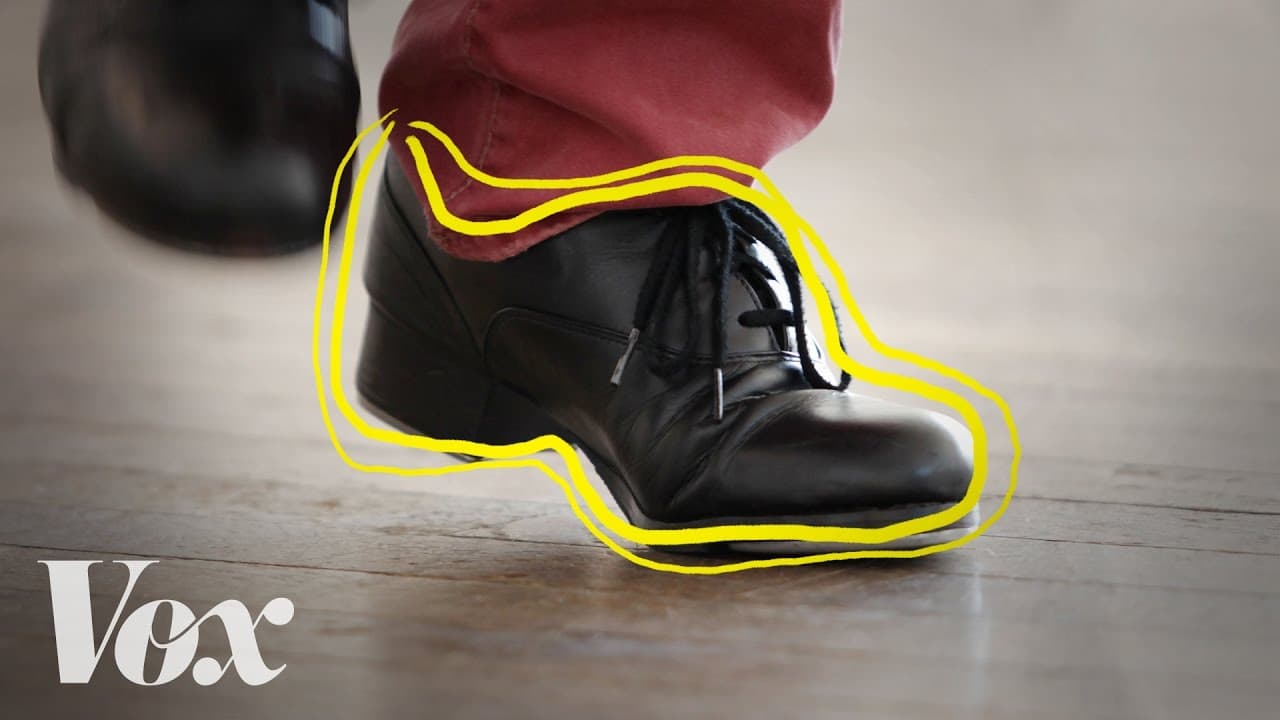
[rhythmic tap sounds] Tap is one of the first original American art forms. [rhythmic tap sounds] It’s an instantly recognizable combination of movement and sound. Jane Goldberg: It’s such a fun thing to see because people wants to see what’s in the bottom of the shoe. Jane: How you make the sound, that’s always a curiosity. Jane: This is how we mad... Read More
Key Insights
- Tap dancing is one of the first original American art forms, combining movement and sound to create a unique performance style.
- The origins of tap dancing can be traced back to Five Points in New York City, a melting pot of cultures including African, Irish, and British influences.
- Tap dance is linked to the history of jazz, as both art forms share improvisation as a key element and were developed by African Americans.
- In the 1800s, tap dancing became popular entertainment for both black and white audiences, often performed in cellars and dance halls.
- Tap dancing was featured in early films and became widely popular in the 1930s and 1940s, appearing in Hollywood movies and Broadway shows.
- The 1970s saw a revival of traditional tap dancing in New York, led by Jane Goldberg and Brenda Bufalino, who sought to return authenticity to the art form.
- Modern tap dancers continue to honor the traditional style while merging it with new influences, such as Brazilian rhythms, to keep the art form evolving.
- Tap dancing is celebrated for its ability to evoke joy and wonder, with audiences often amazed by the intricate footwork and rhythmic sounds.
Install to Summarize YouTube Videos and Get Transcripts
Explore YouTube Video Summarizer or Get YouTube Transcript Extractor
Questions & Answers
Q: What are the cultural influences that contributed to the development of tap dancing?
Tap dancing was influenced by a mix of cultural dance styles, including African percussive steps, Irish jigging, and British clogging. These diverse influences came together in the Five Points area of New York City, a cultural melting pot where African, Irish, and British communities lived and worked side by side.
Q: How did tap dancing become associated with American comedy?
Tap dancing became associated with American comedy through its inclusion in minstrel shows, which were popular entertainment forms in the 1800s. These shows featured comedic performances that often included tap dancing, helping to establish the art form as a humorous and entertaining spectacle for audiences.
Q: What role did tap dancing play in early Hollywood films?
Tap dancing played a significant role in early Hollywood films, even before the advent of sound. The visual appeal of tap dancing made it a popular choice for filmmakers, and it was prominently featured in major Hollywood movies and Broadway shows during the 1930s and 1940s, contributing to its widespread popularity.
Q: How did Jane Goldberg and Brenda Bufalino contribute to the revival of tap dancing?
In the 1970s, Jane Goldberg and Brenda Bufalino played pivotal roles in reviving traditional tap dancing in New York. They produced shows that brought old hoofers back to the stage, emphasizing authenticity and self-expression over the more commercialized Broadway styles. Their efforts helped preserve and celebrate the traditional art form.
Q: What is the significance of improvisation in tap dancing?
Improvisation is a crucial element of tap dancing, linking it to the history of jazz. Both art forms were developed by African Americans and emphasize spontaneous, creative expression. Improvisation allows tap dancers to create unique performances, making each routine a distinctive and personal artistic statement.
Q: How has tap dancing evolved in recent years?
Tap dancing has evolved by incorporating new influences while honoring traditional styles. Modern dancers, like Felipe Galganni, blend tap with other rhythms, such as Brazilian bossa nova and samba, creating innovative performances that keep the art form fresh and relevant. This fusion ensures tap dancing continues to captivate audiences.
Q: What is the significance of the shim sham in tap dancing?
The shim sham is a basic tap routine from the 1920s that remains widely danced worldwide. It represents the enduring legacy of traditional tap steps and serves as a bridge between the past and present, allowing dancers to connect with the history of the art form while showcasing their skills and creativity.
Q: Why is tap dancing considered a unique and captivating art form?
Tap dancing is unique and captivating due to its combination of movement and sound, creating a rhythmic performance that engages both the eyes and ears. The intricate footwork and percussive sounds evoke joy and wonder, often leaving audiences amazed by the dancers' ability to produce music with their feet.
Summary & Key Takeaways
-
Tap dancing is an original American art form that combines movement and sound, with roots in African, Irish, and British dance styles. It originated in the Five Points area of New York City, where diverse cultures mingled and influenced each other.
-
In the 1800s, tap dancing became popular entertainment, performed in cellars and dance halls by both black and white artists. It gained prominence in the 1930s and 1940s, appearing in Hollywood films and Broadway shows.
-
The 1970s saw a revival of traditional tap dancing in New York, led by Jane Goldberg and Brenda Bufalino. Modern dancers continue to honor traditional styles while incorporating new influences, ensuring the art form remains fresh and captivating.
Read in Other Languages (beta)
Share This Summary 📚
Summarize YouTube Videos and Get Video Transcripts with 1-Click
Try YouTube Summary with ChatGPT & Claude or YouTube Transcript Generator
Explore More Summaries from Vox 📚

Summarize YouTube Videos and Get Video Transcripts with 1-Click
Try YouTube Summary with ChatGPT & Claude or YouTube Transcript Generator