How to fix our unreliable power grid
TL;DR
Microgrids offer a resilient alternative to centralized power systems.
Transcript
This is Larry. He's a squirrel. He likes nuts. In 2019, he went into an electric box in Kettering, Ohio. Is this a nut? It was not a nut. He broke the electric box. And caused a blackout for 20,000 people. Larry isn't alone. Squirrels do this all the time. Here's a map of their exploits, just last year. But here’s the thing: Blackouts happen all th... Read More
Key Insights
- Squirrels, along with storms and wildfires, are common causes of power outages, highlighting the fragility of our current power grid.
- The centralized nature of the current energy system makes it vulnerable to disruptions, impacting thousands of people during events like Hurricane Maria.
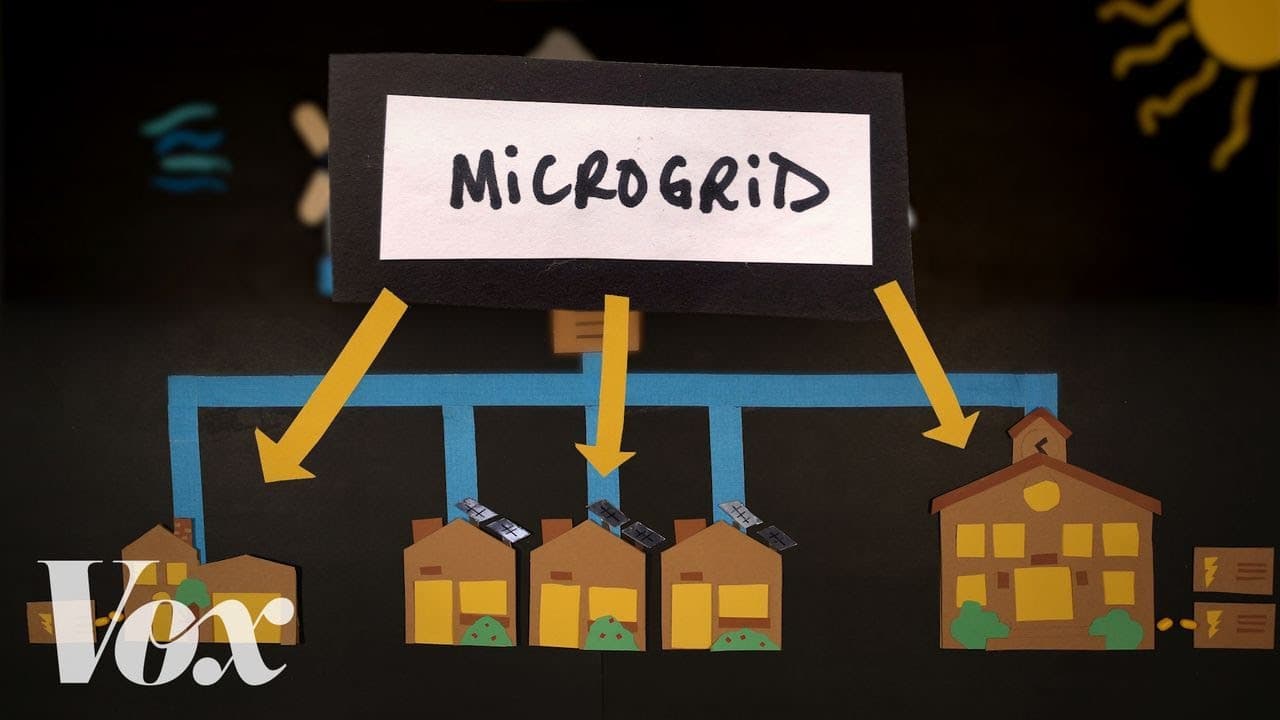
- Microgrids are decentralized power systems that can operate independently, providing resilience during emergencies and reducing reliance on fossil fuels.
- The US government and military are investing in microgrids to ensure reliable power for installations and remote communities.
- Microgrids can utilize renewable energy sources like solar and wind, storing excess energy for use during low generation periods.
- Microgrids can feed stored energy back into the main grid, enhancing overall system resilience and sustainability.
- Regulatory challenges exist as utilities, often monopolies, resist changes that threaten traditional business models.
- Microgrids have the potential to significantly reduce greenhouse gas emissions by optimizing the use of renewable energy sources.
Install to Summarize YouTube Videos and Get Transcripts
Explore YouTube Video Summarizer or Get YouTube Transcript Extractor
Questions & Answers
Q: What are the main causes of power outages highlighted in the content?
The content highlights that power outages can be caused by a variety of factors, including natural events like storms and wildfires, as well as animals like squirrels. These disruptions are becoming more frequent due to climate change, emphasizing the need for a more resilient power system.
Q: How do microgrids differ from the traditional power grid?
Microgrids differ from the traditional power grid in that they are decentralized and can operate independently. This means they do not have a single point of failure, making them more resilient to disruptions. They can also utilize renewable energy sources and store excess energy for later use.
Q: Why are microgrids considered beneficial during emergencies?
Microgrids are beneficial during emergencies because they can maintain power supply independently of the main grid. This is crucial for critical infrastructure and communities during power outages caused by natural disasters or other disruptions, ensuring continuity of essential services.
Q: What is the role of renewable energy in microgrids?
Renewable energy plays a central role in microgrids, as they can harness energy from sources like solar and wind. Microgrids can store excess renewable energy and use it during periods when generation is low, contributing to a more sustainable and environmentally friendly energy system.
Q: Why are utilities resistant to the adoption of microgrids?
Utilities are resistant to the adoption of microgrids because they threaten traditional business models that rely on centralized power generation and distribution. Microgrids can change the source and flow of power, challenging the monopoly that many utilities currently hold over the energy market.
Q: How can microgrids contribute to reducing greenhouse gas emissions?
Microgrids can contribute to reducing greenhouse gas emissions by maximizing the use of renewable energy sources and minimizing reliance on fossil fuels. By optimizing energy generation and storage, microgrids can significantly lower the carbon footprint of the power system.
Q: What investments are being made in microgrid technology?
The US government and military are making significant investments in microgrid technology to enhance energy security and reliability. These investments focus on ensuring power supply for military installations and remote communities that lack reliable access to the central power grid.
Q: What challenges do microgrids face in being integrated into the energy system?
Microgrids face challenges in integration due to regulatory barriers and resistance from traditional utilities. These entities are often protected by regulations that favor existing business models, making it difficult for microgrids to gain widespread acceptance and implementation.
Summary & Key Takeaways
-
The current centralized power grid is highly susceptible to disruptions from natural events and even animals, causing widespread outages. Microgrids offer a decentralized solution, providing resilience and sustainability by utilizing renewable energy sources and local storage capabilities.
-
Microgrids can operate independently during emergencies, ensuring power continuity for critical infrastructure and communities. The US military and government see the value in microgrids, investing in them to enhance energy security and reliability.
-
Despite their advantages, microgrids face regulatory hurdles as traditional utilities, protected by regulatory bodies, resist changes that threaten established business models. However, microgrids hold promise for a more sustainable and resilient energy future.
Read in Other Languages (beta)
Share This Summary 📚
Summarize YouTube Videos and Get Video Transcripts with 1-Click
Try YouTube Summary with ChatGPT & Claude or YouTube Transcript Generator
Explore More Summaries from Vox 📚


Summarize YouTube Videos and Get Video Transcripts with 1-Click
Try YouTube Summary with ChatGPT & Claude or YouTube Transcript Generator