The Contributions of Henry Kissinger: Cold War Diplomacy—The Soviet Union, China, and Vietnam
TL;DR
Panel discusses Henry Kissinger's diplomatic strategies during the Cold War.
Transcript
NAFTALI: It’s a pleasure to be here today. We have an excellent panel. You will see their bios in the materials you were given so I will not be mentioning again their great accomplishments, although I want to underline the fact that Carolyn’s prize-winning book is called Fire and Rain. In the biography you will see it has an old title that was n... Read More
Key Insights
- Henry Kissinger's diplomacy was heavily influenced by national interests over ideals, focusing on strategic relationships with major powers like China and the Soviet Union.
- Kissinger's approach was characterized by personal relationships, using his charm and influence to negotiate with world leaders, which was central to his diplomatic strategy.
- The concept of linkage was crucial to Kissinger, believing that a multipolar world offered more flexibility and opportunities for the U.S. than a bipolar one.
- Kissinger's policy in Vietnam was controversial, with critics arguing it prolonged the war unnecessarily, while supporters claim it provided time for Southeast Asian stability.
- Kissinger's handling of the Indo-Pakistani conflict and the creation of Bangladesh is criticized for being overly influenced by U.S.-China relations, overshadowing humanitarian concerns.
- Kissinger's legacy in the Global South is mixed, with successful diplomacy in Asia but questionable interventions in regions like Chile and Angola.
- The opening to China is seen as a significant diplomatic achievement, though Kissinger's admiration for Chinese culture may have influenced his approach.
- Kissinger's anti-communism was nuanced, balancing between containment and engagement, which sometimes led to controversial decisions in foreign policy.
Install to Summarize YouTube Videos and Get Transcripts
Explore YouTube Video Summarizer or Get YouTube Transcript Extractor
Questions & Answers
Q: What was Henry Kissinger's approach to diplomacy?
Kissinger's approach to diplomacy focused on national interests rather than ideals, emphasizing strategic relationships with major powers like China and the Soviet Union. He believed in using personal influence and relationships to negotiate with world leaders, making diplomacy a central aspect of U.S. foreign policy.
Q: How did Kissinger view the use of force in diplomacy?
Kissinger believed in using force as a tool to deter adversaries and support diplomatic efforts. He saw the use of force and negotiation as complementary, often using military actions to strengthen the U.S. position in diplomatic negotiations, as seen in his handling of the Vietnam War.
Q: What criticisms did Kissinger face regarding his Vietnam policy?
Critics argue that Kissinger's Vietnam policy unnecessarily prolonged the war, resulting in significant loss of life and resources. While he believed it provided time for stability in Southeast Asia, others view it as a failed strategy that did not achieve its objectives and caused unnecessary suffering.
Q: How did Kissinger's policies impact the Global South?
Kissinger's policies in the Global South were mixed, with successes in Asia but controversial interventions in regions like Chile and Angola. Critics argue that his focus on anti-communism and strategic interests often overshadowed humanitarian concerns and led to negative consequences in these regions.
Q: What was the significance of Kissinger's opening to China?
Kissinger's opening to China is considered a major diplomatic achievement, helping to shift the global balance of power and integrate China into the international system. His admiration for Chinese culture and strategic vision played a crucial role in this diplomatic breakthrough, which had lasting impacts on U.S.-China relations.
Q: How did Kissinger's anti-communism influence his foreign policy decisions?
Kissinger's anti-communism was nuanced, balancing containment and engagement. While he opposed doctrinaire anti-communism, he saw engagement with China and the Soviet Union as strategies to contain communism. However, this perspective sometimes led to controversial decisions, especially in the Global South.
Q: What was Kissinger's relationship with Soviet leaders?
Kissinger developed strategic relationships with Soviet leaders like Brezhnev and Dobrynin, aiming to manage U.S.-Soviet relations through détente. He believed in engaging with adversaries to maintain stability and prevent escalation, though his approach was sometimes criticized for being too accommodating.
Q: How did Kissinger handle the Indo-Pakistani conflict?
Kissinger's handling of the Indo-Pakistani conflict and the creation of Bangladesh faced criticism for prioritizing U.S.-China relations over humanitarian concerns. His policy was influenced by the need to maintain strategic alliances, particularly with Pakistan, which served as a channel for U.S.-China diplomacy.
Summary & Key Takeaways
-
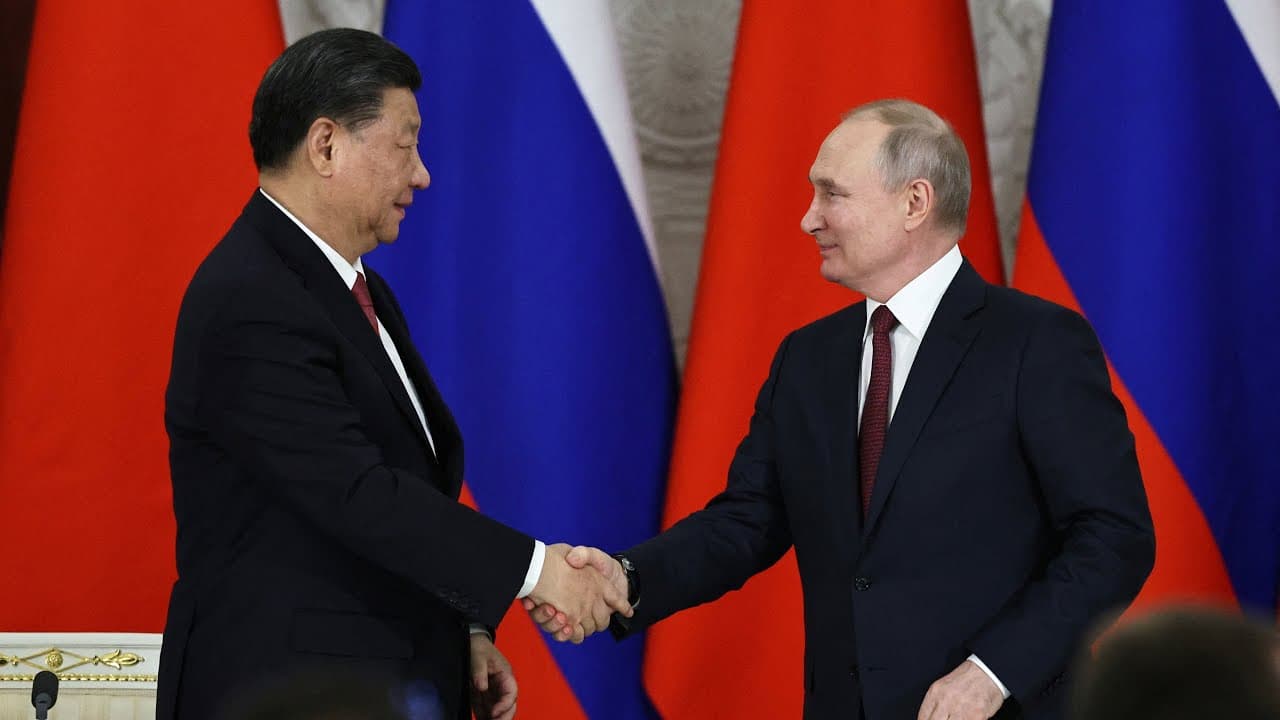
The panel discussed Henry Kissinger's diplomatic strategies during the Cold War, emphasizing his focus on national interests and personal relationships over ideological commitments. They highlighted his role in opening relations with China and managing U.S.-Soviet relations, while also addressing criticisms of his Vietnam policy.
-
Kissinger's approach to diplomacy was marked by a preference for multipolarity, using personal influence to negotiate with leaders like Mao and Brezhnev. However, his policies in regions like Southeast Asia and the Middle East were controversial, with debates over their effectiveness and ethical implications.
-
While Kissinger is credited with significant diplomatic achievements, such as the China opening, his legacy is complicated by criticisms of his handling of conflicts in the Global South and his prioritization of strategic interests over humanitarian concerns.
Read in Other Languages (beta)
Share This Summary 📚
Summarize YouTube Videos and Get Video Transcripts with 1-Click
Try YouTube Summary with ChatGPT & Claude or YouTube Transcript Generator
Explore More Summaries from Council on Foreign Relations 📚
Summarize YouTube Videos and Get Video Transcripts with 1-Click
Try YouTube Summary with ChatGPT & Claude or YouTube Transcript Generator