Building Emotional Literacy in Preschoolers
TL;DR
Teaching self-regulation and conscious discipline in early childhood education helps students manage emotions, communicate effectively, and develop essential life skills.
Transcript
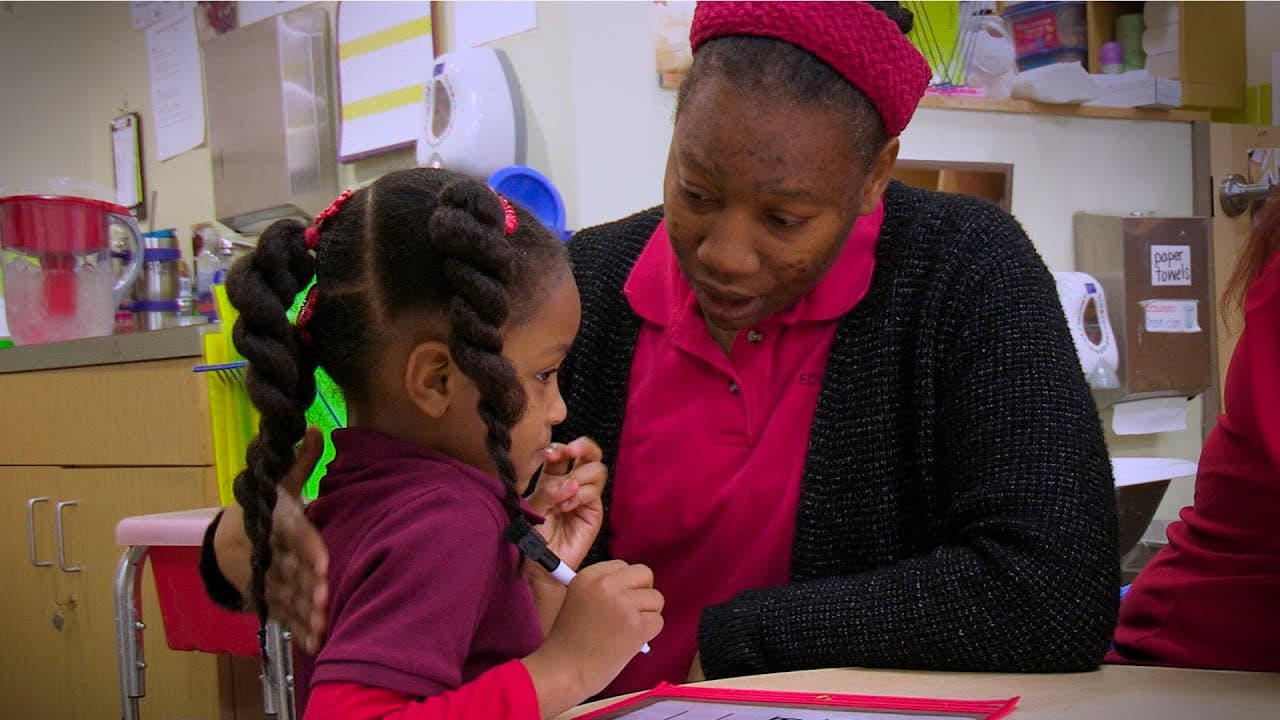
Teacher: Okay. I started the puzzle. >>Thomas: Because our teachers teach self-regulation, our students are better able
to manage their feelings. >>Teacher: That's a smile. Student: No. >>Teacher: That's angry? >>Thomas: They're better able to verbalize their emotions and what they're going through. >>Antonia: What's wrong? >>Thomas: They'r... Read More
Key Insights
- 🤳 Teaching self-regulation is crucial in early childhood education, as it helps students manage their emotions and communicate effectively.
- 🤪 Conscious discipline goes beyond managing behaviors and instead focuses on providing students with the tools to direct their own actions.
- 😑 Giving students a language to express their emotions and needs is essential for effective communication and building positive relationships.
- 🤳 By teaching self-regulation and conscious discipline early on, students can develop life skills that will benefit them throughout their educational journey and in their interactions with others.
- 😫 Educators at Educare believe that self-regulation is the most important skillset for setting children up for success.
- 🧑🎓 Conscious discipline not only benefits students but also teachers, as it provides them with strategies and language to support students' socio-emotional development.
- 🥰 Conscious discipline helps create a safe and nurturing classroom environment where students feel loved, supported, and heard.
Install to Summarize YouTube Videos and Get Transcripts
Explore YouTube Video Summarizer or Get YouTube Transcript Extractor
Questions & Answers
Q: How does teaching self-regulation benefit students in early childhood education?
Teaching self-regulation helps students manage their emotions, allowing them to better cope with challenges and focus on their learning. It also helps them verbalize their feelings and problems, leading to improved communication skills.
Q: What is conscious discipline, and how does it differ from managing behaviors?
Conscious discipline is a research-based program that empowers students to direct their behavior through self-regulation. It focuses on giving students and teachers the language and tools to work through challenges, promoting positive communication and building relationships.
Q: How does conscious discipline help students express their emotions?
Conscious discipline provides students with the means to articulate their feelings using a wide range of descriptive words. By expanding their emotional vocabulary, students can communicate their needs effectively and understand the nuances of different emotions.
Q: How does conscious discipline promote positive relationships among students?
Conscious discipline encourages students to express their dislikes or when they feel uncomfortable in a respectful manner. By using words to address issues instead of physical actions, students can build relationships based on understanding and empathy.
Summary & Key Takeaways
-
Educare focuses on teaching self-regulation skills to students, helping them manage their emotions and verbalize their feelings.
-
Conscious discipline is a research-based socio-emotional program used in classrooms, providing students with tools to direct their behaviors.
-
Through conscious discipline, students learn to use positive language, articulate their feelings, and build relationships based on effective communication.
Read in Other Languages (beta)
Share This Summary 📚
Summarize YouTube Videos and Get Video Transcripts with 1-Click
Try YouTube Summary with ChatGPT & Claude or YouTube Transcript Generator
Explore More Summaries from Edutopia 📚



Summarize YouTube Videos and Get Video Transcripts with 1-Click
Try YouTube Summary with ChatGPT & Claude or YouTube Transcript Generator