Hillary Clinton: The Vox Conversation
TL;DR
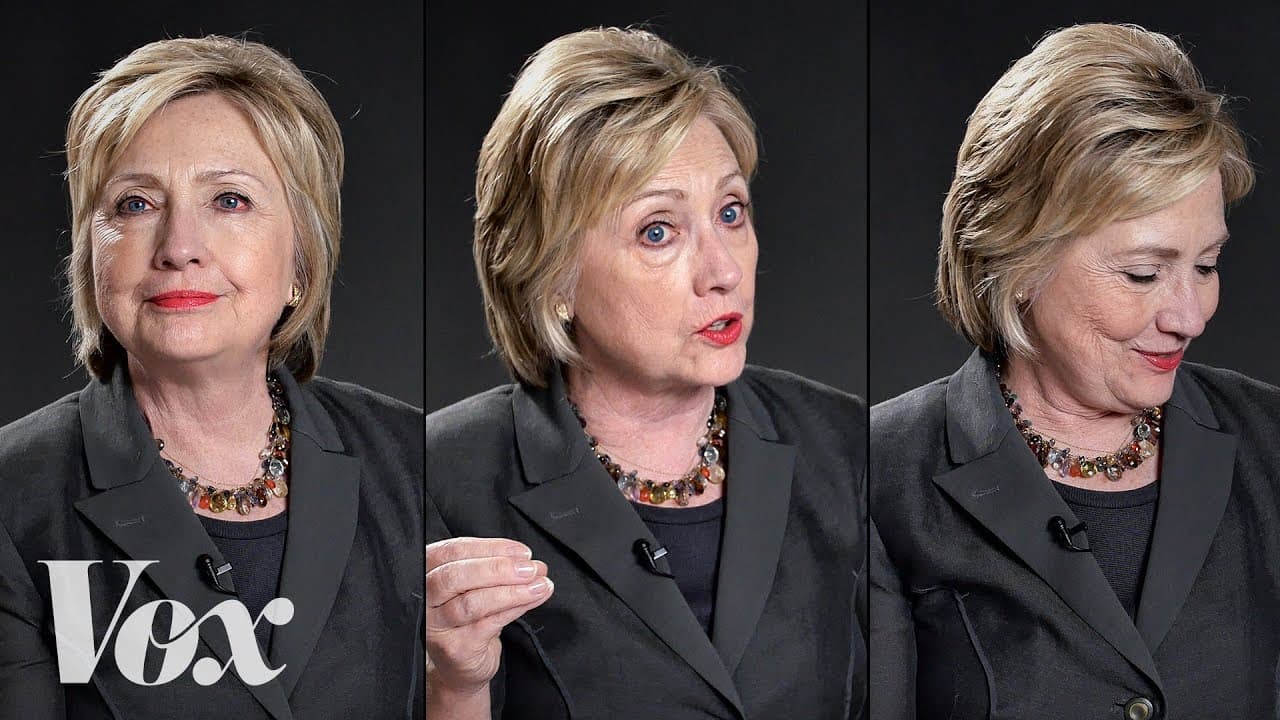
Hillary Clinton discusses poverty, economic policy, and immigration.
Transcript
Ezra Klein: So let’s start with poverty. Scholars have estimated or found that the number of American families living in extreme poverty, under $2 in cash income, has skyrocketed in the last 20 years. You have about 1.5 million families and 3 million children. Given how many children are now in that condition, should we be following the model of co... Read More
Key Insights
- Hillary Clinton emphasizes the importance of addressing extreme poverty in America, noting that 1.5 million families and 3 million children live under $2 in cash income.
- Clinton reflects on the progress made in the 1990s in reducing poverty and criticizes policy changes post-2001 that reversed these gains.
- She advocates for a dual approach to improving family support: increasing financial assistance and enhancing early childhood education and nutrition.
- Clinton supports the Earned Income Tax Credit as an effective anti-poverty measure but stresses the need for a safety net for those unable to work.
- She discusses the potential benefits of deficit spending for infrastructure and economic growth, given the current low interest rates on US government debt.
- Clinton believes comprehensive immigration reform with a path to citizenship would benefit the economy and address the human costs of undocumented immigration.
- She argues for a targeted approach to higher education funding, rather than universal free college, to ensure state reinvestment in public education.
- Clinton plans to build on the Affordable Care Act to achieve universal health coverage, focusing on increasing competition and reducing costs.
Install to Summarize YouTube Videos and Get Transcripts
Explore YouTube Video Summarizer or Get YouTube Transcript Extractor
Questions & Answers
Q: What is Hillary Clinton's view on addressing extreme poverty in the US?
Hillary Clinton believes addressing extreme poverty requires a dual approach: increasing financial assistance to families and enhancing early childhood education and nutrition. She highlights the progress made in the 1990s in reducing poverty and criticizes policy changes post-2001 that reversed these gains. Clinton emphasizes the need for proven interventions and support systems to lift families out of poverty.
Q: How does Hillary Clinton propose to support families and children living in poverty?
Clinton suggests increasing financial support through measures like the Earned Income Tax Credit and enhancing early childhood education and nutrition programs. She emphasizes the importance of providing a safety net for those unable to work and argues for comprehensive policies that address both financial assistance and educational support for families.
Q: What is Clinton's stance on deficit spending for economic growth?
Clinton sees the current low interest rates on US government debt as an opportunity for deficit spending on infrastructure and economic growth. While she prefers to have a plan for paying for investments, she acknowledges that short-term deficit spending could bridge gaps and stimulate the economy, provided there's a future revenue stream to pay it back.
Q: How does Clinton view the role of immigration in the US economy?
Clinton believes immigration has been and continues to be beneficial for the US economy. She highlights the entrepreneurial contributions of immigrants and their role in filling skill gaps. Clinton supports comprehensive immigration reform with a path to citizenship, emphasizing its economic and humanitarian benefits, and argues against mass deportations.
Q: What are Clinton's thoughts on universal free college education?
Clinton is cautious about universal free college, arguing that it could place undue financial burdens on state governments. She prefers a targeted approach, ensuring that middle-class, working, and poor families don't have to borrow money for college. Clinton emphasizes the need for state reinvestment in public higher education rather than promising free college for all.
Q: How does Clinton plan to achieve universal health coverage?
Clinton plans to build on the Affordable Care Act to achieve universal health coverage. She focuses on increasing competition among insurers, reducing costs, and expanding Medicaid. Clinton supports a public option to lower costs further and believes in adjusting the ACA to improve coverage and affordability without starting over with a new system.
Q: What skills does Clinton believe are necessary for an effective presidency?
Clinton believes that effective presidency requires persistence, relationship-building, and finding common ground with political adversaries. She emphasizes the importance of daily efforts to negotiate and push forward on multiple issues, even in a hyperpartisan environment. Clinton draws on her experiences working with political opponents to achieve legislative goals.
Q: How does Clinton view the current media environment's impact on politics?
Clinton sees the current media environment as contributing to political divisiveness and public mistrust. She argues that negativity and sensationalism capture attention, leading to a loss of trust in institutions. Clinton calls for more accountability and transparency in media reporting and emphasizes the need for rebuilding trust through honest communication and fact-checking.
Summary & Key Takeaways
-
Hillary Clinton discusses the rise in extreme poverty in the US and suggests a focus on increasing financial support and improving early childhood education and nutrition to combat the issue. She reflects on the progress made in the 1990s and criticizes policy changes post-2001 that reversed these gains.
-
Clinton supports comprehensive immigration reform with a path to citizenship, emphasizing its economic and humanitarian benefits. She highlights the contributions of undocumented workers to the economy and argues against mass deportations, which she believes would harm economic growth.
-
Clinton advocates for building on the Affordable Care Act to achieve universal health coverage, emphasizing the need for increased competition and cost reduction. She also discusses the importance of targeted higher education funding to ensure state reinvestment in public education.
Read in Other Languages (beta)
Share This Summary 📚
Summarize YouTube Videos and Get Video Transcripts with 1-Click
Try YouTube Summary with ChatGPT & Claude or YouTube Transcript Generator
Explore More Summaries from Vox 📚


Summarize YouTube Videos and Get Video Transcripts with 1-Click
Try YouTube Summary with ChatGPT & Claude or YouTube Transcript Generator