4 Ways to Build Emotional Literacy
TL;DR
Teaching emotional literacy equips students with skills to manage emotions, navigate conflicts, and stay focused.
Transcript
Narrator: Students often experience very complex emotions as they explore the world around them but understanding where emotions come from, how they can develop our thinking brains and ultimately how they can be managed takes time and lots of practice. By teaching the skills of emotional literacy, educators can give students a set of tools they c... Read More
Key Insights
- 🧑🎓 Emotional literacy provides students with lifelong tools to navigate emotions and conflicts effectively.
- 😑 A limited emotional vocabulary can hinder students from understanding and expressing complex emotions.
- 💪 Teaching students about the neuroscience of emotion helps them understand why they experience strong emotions and how to regain focus.
- 😑 As students mature, they continue to need opportunities to express their feelings.
- 🧑🎓 Mindfulness exercises and reflection activities can positively shift students' feelings in a social context.
- 🧑🎓 Applying emotional literacy to real-life situations helps students deeply connect with their emotions and respond with intentionality and compassion.
- ❓ Emotional literacy promotes overall well-being and academic success.
Install to Summarize YouTube Videos and Get Transcripts
Explore YouTube Video Summarizer or Get YouTube Transcript Extractor
Questions & Answers
Q: Why is emotional literacy important for students?
Emotional literacy is important as it equips students with the skills to manage their emotions, navigate conflicts, and stay focused, leading to better overall well-being and academic performance.
Q: How can teachers help younger students improve their emotional literacy?
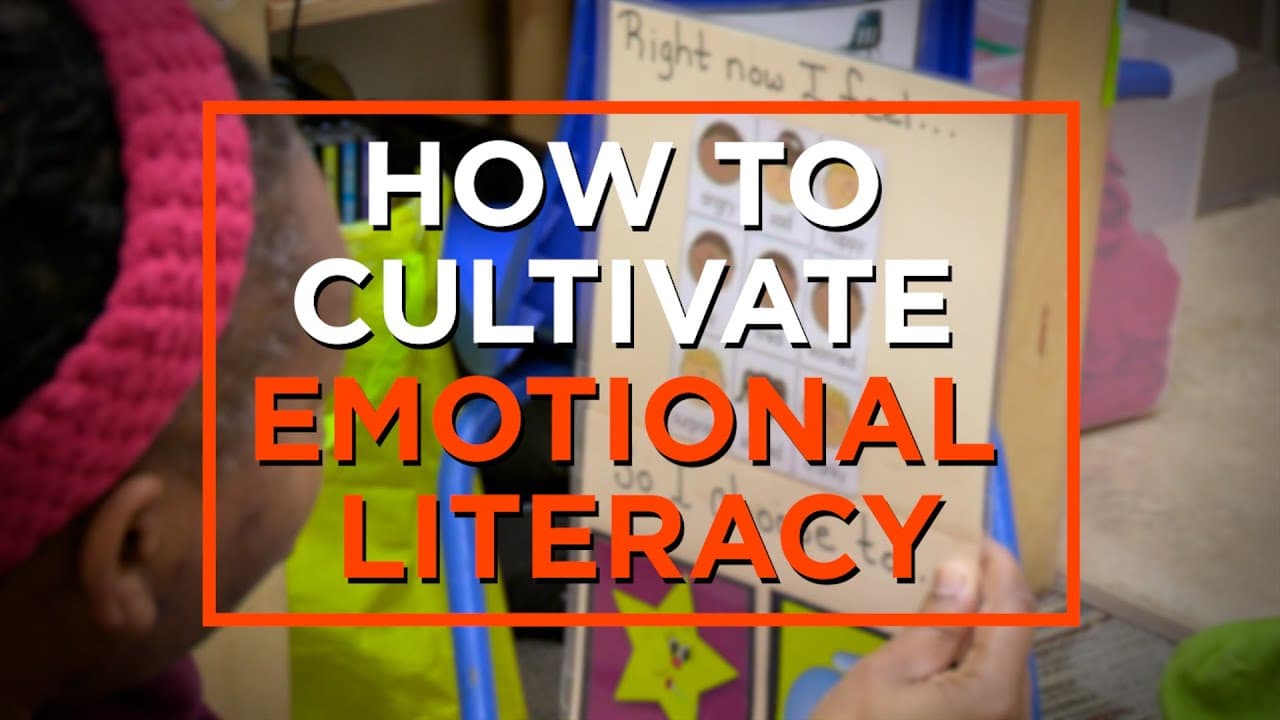
Teachers can help younger students improve emotional literacy by using tools such as feeling charts, picture books, and brainstorming different emotions, which gives them a broader understanding of and vocabulary for expressing their feelings.
Q: How does understanding the neuroscience of emotion benefit students?
Understanding the neuroscience of emotion normalizes emotional responses, empowering students with scientific knowledge of why they experience strong emotions and allows them to regain control and focus.
Q: How can teachers encourage emotional expression and vulnerability?
Teachers can encourage emotional expression and vulnerability by implementing activities like rose and thorn check-ins or daily dedications, which create a space for students to share their feelings and fosters a sense of community and belonging.
Summary & Key Takeaways
-
Emotional literacy gives students the tools to navigate complex emotions, understand their development, and manage them effectively.
-
Using tools such as feeling charts, emotional vocabulary brainstorming, and incorporating emotions into writing and conversations helps younger students understand a broader range of emotions.
-
Teaching students about the limbic system and executive functions normalizes emotional responses, empowers them with scientific knowledge, and helps regain focus.
Read in Other Languages (beta)
Share This Summary 📚
Summarize YouTube Videos and Get Video Transcripts with 1-Click
Try YouTube Summary with ChatGPT & Claude or YouTube Transcript Generator
Explore More Summaries from Edutopia 📚





Summarize YouTube Videos and Get Video Transcripts with 1-Click
Try YouTube Summary with ChatGPT & Claude or YouTube Transcript Generator