What Is 'Entremés del Envidioso'?
TL;DR
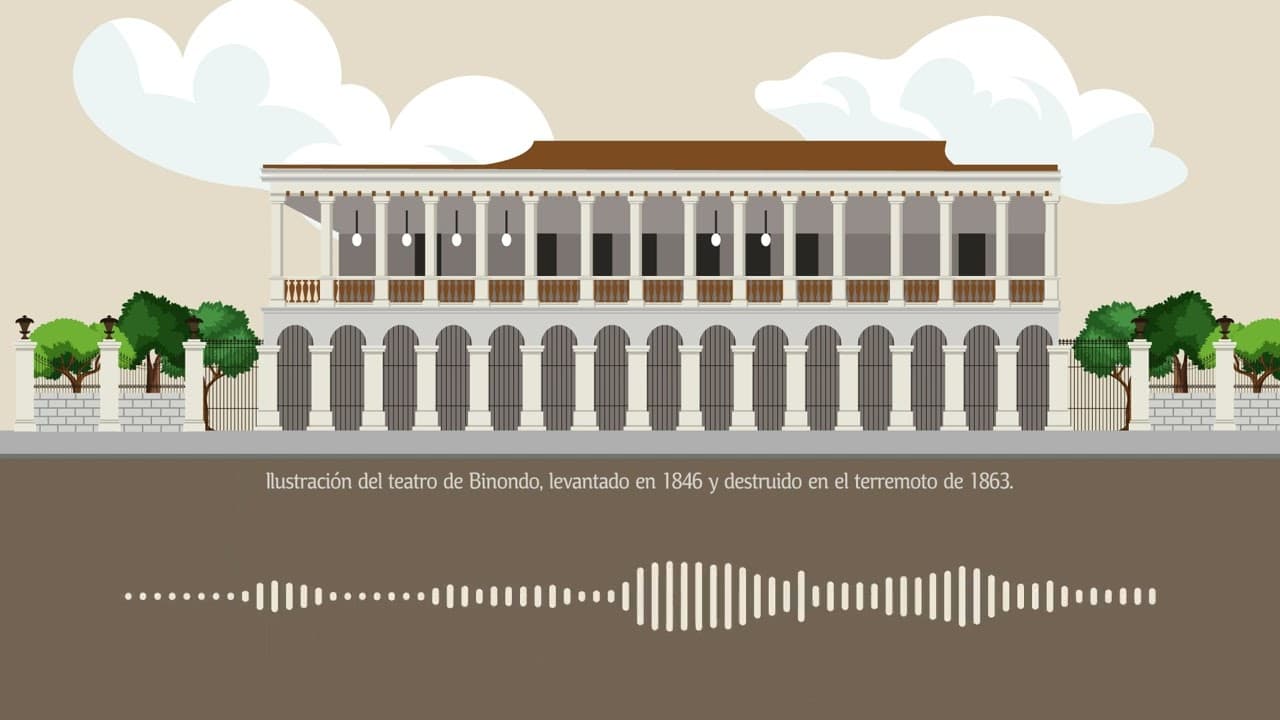
'Entremés del Envidioso' is a 1676 Spanish short play set in Manila, dramatized by La Contrayerba. It explores themes of envy and social dynamics through a comedic lens. The performance is a critical edition by Miguel Zugasti, adapted by Javier Horno, highlighting cultural intersections between Spanish and Filipino literature.
Transcript
“Entremés del envidioso”, anonymous, performed in Manila in 1676. Critical Edition by Miguel Zugasti. Adaptation and Modernization: Javier Horno. Performance done by the company "La Contrayerba." Voices in order of appearance: Mayor (Ignacio Horno), Clerk (Miguel Zugasti), Councilor (Miguel Ángel Lerga), Barber (Javier Horno), Perucho (Neus Vives... Read More
Key Insights
- The 'Entremés del Envidioso' is a short play written anonymously and performed in 1676.
- La Contrayerba is the theater company that dramatized this play.
- Miguel Zugasti provided the critical edition of the play.
- Javier Horno adapted and modernized the original script for contemporary audiences.
- The play was performed in Manila, showcasing the cultural blend of Spanish and Filipino influences.
- The story revolves around themes of envy and social interaction, presented in a comedic format.
- The characters include a Mayor, Clerk, Councilor, Barber, Perucho, and Garbosa.
- This performance is part of a MOOC on Hispanic-Filipino literature, highlighting its academic significance.
Install to Summarize YouTube Videos and Get Transcripts
Explore YouTube Video Summarizer or Get YouTube Transcript Extractor
Questions & Answers
Q: What is 'Entremés del Envidioso' about?
'Entremés del Envidioso' is a comedic short play that explores themes of envy and social dynamics. Set in Manila in 1676, it reflects the cultural intersections between Spanish and Filipino societies. The narrative uses humor to critique societal norms and human behavior, making it a significant piece of literature.
Q: Who performed 'Entremés del Envidioso'?
The play 'Entremés del Envidioso' was performed by the theater company La Contrayerba. The cast included Ignacio Horno as the Mayor, Miguel Zugasti as the Clerk, Miguel Ángel Lerga as the Councilor, Javier Horno as the Barber, Neus Vives as Perucho, and Isabel Vives as Garbosa, bringing the characters to life.
Q: Who adapted 'Entremés del Envidioso' for modern audiences?
Javier Horno adapted 'Entremés del Envidioso' for modern audiences. His adaptation involved modernizing the language and context while maintaining the original themes and humor. This adaptation allows contemporary viewers to appreciate the play's historical and cultural significance within a modern framework.
Q: What themes are explored in 'Entremés del Envidioso'?
'Entremés del Envidioso' explores themes of envy and social interaction. The play uses humor to critique human behavior and societal norms, reflecting the cultural dynamics of 17th-century Manila. These themes are universal, allowing the play to resonate with audiences across different cultures and eras.
Q: What is the significance of the play's setting in Manila?
The setting of 'Entremés del Envidioso' in Manila highlights the cultural blend between Spanish and Filipino societies in the 17th century. This historical context enriches the narrative, showcasing the interactions and influences between these cultures. The setting adds depth to the play's themes of social dynamics and human behavior.
Q: Who provided the critical edition of 'Entremés del Envidioso'?
Miguel Zugasti provided the critical edition of 'Entremés del Envidioso'. His work involved analyzing and preserving the original text, ensuring its accuracy and integrity for modern audiences. This critical edition serves as a foundation for adaptations and performances, maintaining the play's historical and literary value.
Q: What is the role of humor in 'Entremés del Envidioso'?
Humor in 'Entremés del Envidioso' serves as a tool to critique societal norms and human behavior. It makes the themes of envy and social dynamics more accessible and engaging for audiences. The comedic elements allow for a light-hearted exploration of serious topics, enhancing the play's appeal and impact.
Q: How does 'Entremés del Envidioso' reflect Hispanic-Filipino literature?
'Entremés del Envidioso' reflects Hispanic-Filipino literature by showcasing the cultural interactions between Spain and the Philippines. The play's themes, setting, and characters highlight the blend of these cultures in the 17th century. It serves as an important piece in understanding the literary and historical connections between these regions.
Summary & Key Takeaways
-
'Entremés del Envidioso' is a comedic short play from 1676, performed by La Contrayerba in Manila. It explores themes of envy through a humorous narrative. The critical edition was done by Miguel Zugasti, with adaptation by Javier Horno, blending Spanish and Filipino cultural elements.
-
Performed by a cast including Ignacio Horno and Miguel Zugasti, 'Entremés del Envidioso' is set in a historical context that highlights the interplay between Spanish and Filipino cultures. The play remains a significant piece of Hispanic-Filipino literature, offering insights into 17th-century societal norms.
-
The dramatization of 'Entremés del Envidioso' was part of a MOOC on Hispanic-Filipino literature, emphasizing its educational value. The performance showcases a blend of cultures, with characters like the Mayor and Barber bringing the narrative to life through a comedic lens.
Read in Other Languages (beta)
Share This Summary 📚
Summarize YouTube Videos and Get Video Transcripts with 1-Click
Try YouTube Summary with ChatGPT & Claude or YouTube Transcript Generator
Explore More Summaries from universidadurjc 📚
Summarize YouTube Videos and Get Video Transcripts with 1-Click
Try YouTube Summary with ChatGPT & Claude or YouTube Transcript Generator