How to Address Mediterranean Migration Crisis
TL;DR
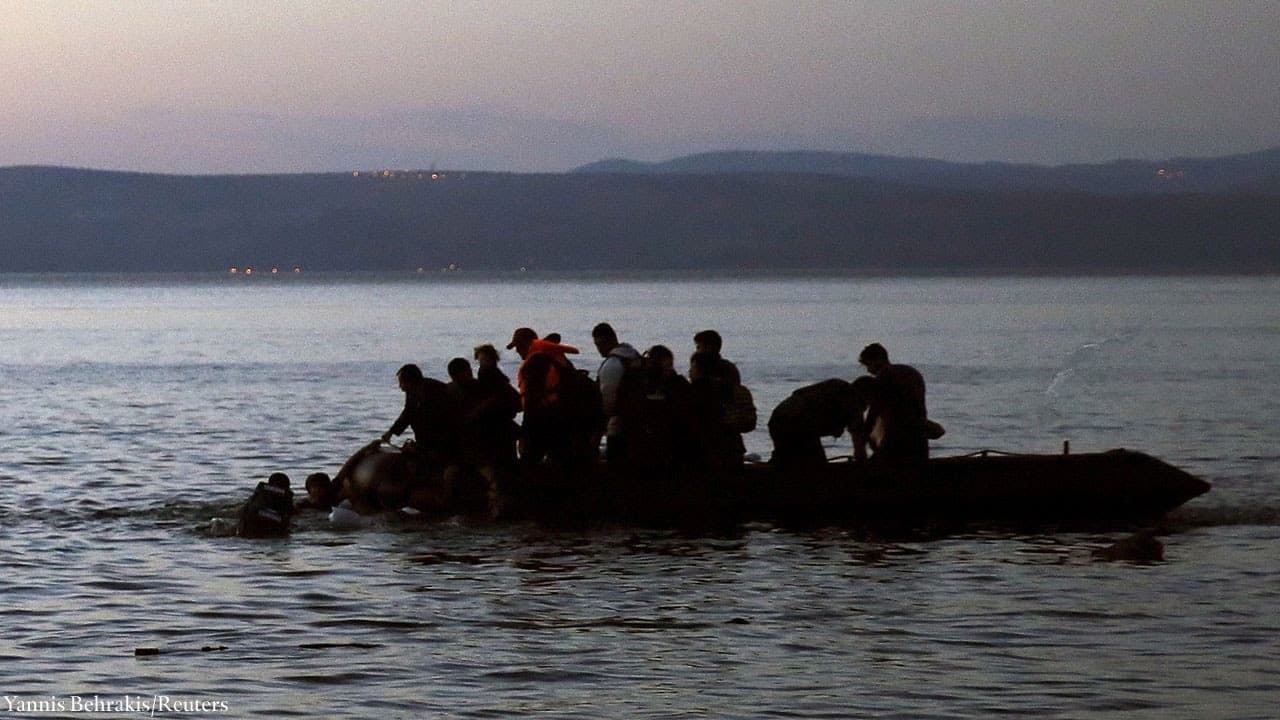
The global response to the Mediterranean migration crisis is inadequate, with countries failing to share the responsibility equitably. Germany and Sweden have shown leadership, but many nations, especially in Eastern Europe, avoid taking in refugees. The crisis is exacerbated by wars and environmental factors, pushing people to flee. A global collective effort is needed to manage migration effectively and humanely.
Transcript
RUPP: I�m glad to welcome all of you. As you heard, this is an occasion that is on the record. We will speak up here for 25 minutes or half an hour, and then the floor will be open for participation from all of you. So save up your questions as you listen to the presentations. We have two very distinguished guests. And you have their bios in front ... Read More
Key Insights
- Migration is a key issue of our time, driven by wars and environmental degradation.
- Countries like Germany and Sweden have taken significant steps to accept refugees.
- Many European countries resist taking in refugees, citing national sovereignty.
- The EU proposes a quota system to distribute refugees based on logical metrics.
- Migration should be seen as a global responsibility, not just for proximate countries.
- The current response to the crisis is reactive, often spurred by media coverage of tragedies.
- Economic migrants also deserve nuanced policies, not just refugees.
- The international community needs a collective approach to migration, similar to past efforts for Vietnamese boat people.
Install to Summarize YouTube Videos and Get Transcripts
Explore YouTube Video Summarizer or Get YouTube Transcript Extractor
Questions & Answers
Q: How should the global community respond to the Mediterranean migration crisis?
The global community should adopt a collective approach, sharing the responsibility of hosting refugees equitably. Countries should implement policies like humanitarian visas and family reunification to manage migration effectively. A quota system based on logical metrics such as GDP and population can help distribute refugees fairly among nations.
Q: What are the main causes of the Mediterranean migration crisis?
The crisis is primarily driven by wars in regions like Syria, Afghanistan, and Libya, as well as environmental degradation and economic hardships. These factors force people to flee their homes in search of safety and better living conditions, leading to large-scale migration across the Mediterranean.
Q: Why do some European countries resist taking in refugees?
Some European countries resist taking in refugees due to concerns about national sovereignty and cultural identity. They fear the impact on their social systems and economies, and there is often a lack of political will to address the crisis collectively. Nationalistic sentiments and political rhetoric further exacerbate the resistance.
Q: What role does Germany play in the migration crisis?
Germany has shown significant leadership in the migration crisis by accepting large numbers of refugees. The country has pledged to take in 800,000 refugees in one year, with a promise of 500,000 annually for the next five years. Germany's approach contrasts with the reluctance of other European nations to share the burden.
Q: How does the EU propose to manage refugee distribution?
The EU proposes a quota system to distribute refugees among member states based on metrics such as population size, GDP, and unemployment rates. This system aims to ensure a fair and equitable sharing of the responsibility for hosting refugees, reducing the burden on countries like Greece and Italy, where most migrants arrive.
Q: What are the challenges in changing the public narrative on migration?
Changing the public narrative on migration involves addressing fears and stereotypes about migrants taking jobs, security threats, and cultural identity loss. Providing factual evidence of migrants' positive contributions to society, such as innovation and economic benefits, is essential. Engaging with media and public discourse to counter misinformation is crucial.
Q: What historical examples can guide the current migration crisis response?
Historical examples like the global response to the Vietnamese boat people and the Hungarian refugee crisis in 1956 demonstrate successful international collaboration. These instances show that with political will and collective action, the international community can effectively manage large-scale migration and refugee crises.
Q: Why is migration considered inevitable and necessary?
Migration is inevitable due to demographic deficits in developed countries, economic disparities, and environmental challenges. It is necessary to fill labor shortages, support economic growth, and address aging populations. With appropriate policies, migration can be a positive force, contributing to cultural diversity and economic vitality.
Summary & Key Takeaways
-
The Mediterranean migration crisis requires a global response, but many countries avoid sharing the responsibility. Germany and Sweden lead with significant refugee intake, while others resist. The crisis stems from wars and environmental issues, demanding a collective effort.
-
Migration is inevitable due to demographic deficits and economic disparities. The EU's proposed quota system aims to distribute refugees fairly. However, nationalism and sovereignty concerns hinder progress. A global approach is essential to manage migration effectively.
-
The crisis highlights the need for new policies, including humanitarian visas and family reunification. The international community must address migration as a shared responsibility, learning from past global responses to refugee crises.
Read in Other Languages (beta)
Share This Summary 📚
Summarize YouTube Videos and Get Video Transcripts with 1-Click
Try YouTube Summary with ChatGPT & Claude or YouTube Transcript Generator
Explore More Summaries from Council on Foreign Relations 📚


Summarize YouTube Videos and Get Video Transcripts with 1-Click
Try YouTube Summary with ChatGPT & Claude or YouTube Transcript Generator