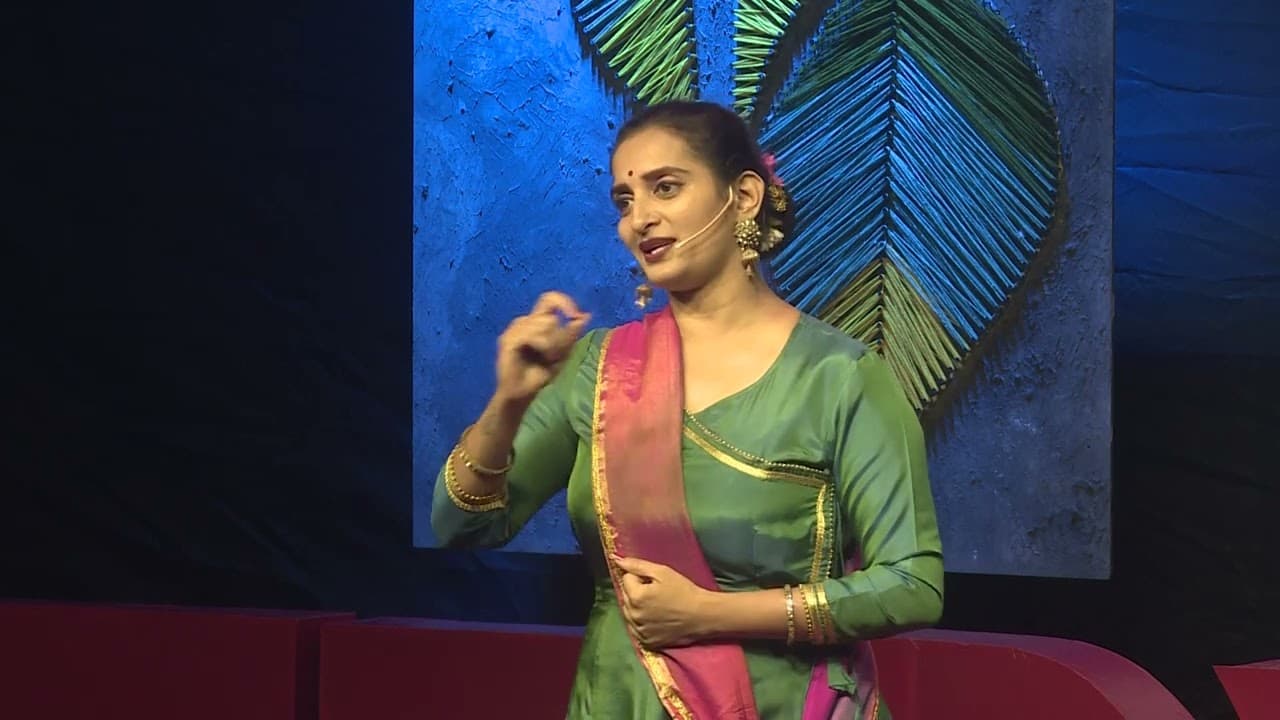
Exploring cultural tapestry through Indian Classical Dance | Ameera Patankar | TEDxVITPune
TL;DR
Indian classical dance is a cultural art form that preserves the rich heritage and traditions of India, with each style showcasing distinct characteristics and storytelling elements.
Transcript
oh Nam ghap om gang G Brahma V brah vud chra brah brah br after having invoked the blessings of God Almighty in adherance to Indian tradition I pay my humble respects to all of you present here and to all the viewers I'm here to talk to you about something that is very dear to me Indian classical dance and its role in preserving the cultural Roots ... Read More
Key Insights
- 😋 Culture encompasses various aspects of our lives, including language, clothing, music, food, and hobbies.
- 🥰 Indian culture is a fusion of tangible and intangible heritage, combining art, history, and a way of life.
- 💃 Indian classical dance, such as katak, has retained elements from its origins in temples, court performances, and contemporary presentations, showcasing historical and cultural influences.
- 🖐️ Facial expressions, hand gestures (mudras), and body language play a significant role in Indian classical dance, making it distinct from other dance forms.
- 💃 Classical dance helps in the transmission of mythological stories, providing an understanding of traditional wisdom, knowledge, and values.
- 💃 The interplay between culture and classical dance is evident in aspects such as chanting, costume choices, and architecture influences.
- 🧑🎓 The guru-shishya parampara (teacher-student relationship) is an integral part of Indian classical dance, instilling qualities of reverence, obedience, and submission.
Install to Summarize YouTube Videos and Get Transcripts
Explore YouTube Video Summarizer or Get YouTube Transcript Extractor
Questions & Answers
Q: What is the significance of Indian classical dance in preserving cultural roots?
Indian classical dance plays a crucial role in preserving the cultural heritage of India by showcasing distinct styles, costumes, music, and storytelling elements that have been passed down through generations.
Q: How has katak, a form of Indian classical dance, evolved over time?
Katak originated in temples as a form of storytelling, then moved to court performances during the era of Hindu and Mughal rulers. It faced a decline during the British era but experienced a resurgence after India's independence, leading to its present-day flourishing state.
Q: What are the different aspects of a katak performance?
A katak performance typically consists of an invocation to God (Vandana), pure dance sequences (tal representation), and emotive storytelling (abin) using facial expressions, hand gestures (mudras), and body language.
Q: How does Indian classical dance transmit mythological stories?
Dance serves as a medium to transmit mythological stories from one generation to another, filling the void created by the decline of traditional storytelling practices. These stories hold cultural wisdom, traditional wealth, and the collective conscience of the Indian culture.
Summary & Key Takeaways
-
Indian classical dance encompasses nine different styles, each with its unique characteristics and aesthetic appeal.
-
Katak, one of the styles, originated in temples and has evolved over thousands of years through different eras and societal changes.
-
Dance serves as a medium to transmit mythological stories, preserving traditional wisdom and knowledge for future generations.
Read in Other Languages (beta)
Share This Summary 📚
Summarize YouTube Videos and Get Video Transcripts with 1-Click
Try YouTube Summary with ChatGPT & Claude or YouTube Transcript Generator
Explore More Summaries from TEDx Talks 📚




Summarize YouTube Videos and Get Video Transcripts with 1-Click
Try YouTube Summary with ChatGPT & Claude or YouTube Transcript Generator