How to Exercise Safely During Pregnancy
TL;DR
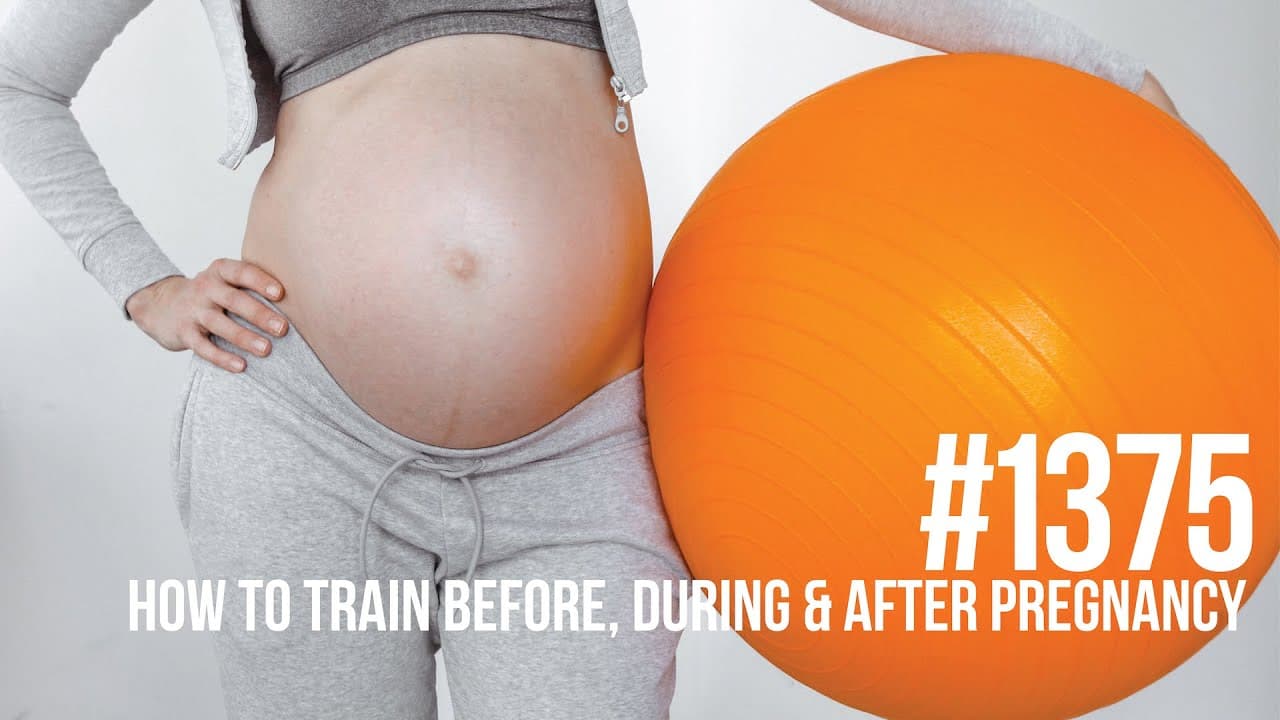
Exercising before, during, and after pregnancy can significantly improve strength, mobility, and overall health, benefiting both mother and baby. It's crucial to listen to your body and adjust workouts according to each trimester's unique demands. A focus on resistance training, core stability, and nutrient-dense foods is recommended to support a healthy pregnancy journey.
Transcript
in this episode of mind pump the world's top fitness health and entertainment podcast we talk about pregnancy we talk about how to train before during and after pregnancy to maintain strength health help you have a healthy delivery and get your body to feel good and fit and strong again after you have your baby in fact we go through all three trime... Read More
Key Insights
- Resistance training is the best form of exercise during pregnancy due to its adaptability and benefits for strength and metabolism.
- First trimester workouts should focus on slow, controlled movements and core stability due to common fatigue and nausea.
- Second trimester often brings more energy, allowing for increased workout intensity and volume, with continued emphasis on core strength.
- Third trimester requires reducing workout volume and intensity, focusing on wide stance squats and breathing exercises.
- Avoid laying flat on your back or stomach during exercises in the later stages of pregnancy to prevent discomfort and potential issues.
- Kegel exercises are recommended between sets to strengthen pelvic floor muscles, aiding in labor and postpartum recovery.
- Nutrient-dense foods like eggs, dairy, meat, and fish are crucial for supporting pregnancy health and fetal development.
- The myth of 'eating for two' is debunked; only a slight increase in caloric intake is necessary, focusing on quality over quantity.
Install to Summarize YouTube Videos and Get Transcripts
Explore YouTube Video Summarizer or Get YouTube Transcript Extractor
Questions & Answers
Q: How to exercise safely during pregnancy?
To exercise safely during pregnancy, focus on resistance training due to its adaptability and benefits for strength and metabolism. Adjust workouts according to each trimester's unique demands, emphasizing core stability in the first trimester, increasing intensity in the second, and reducing volume in the third. Always listen to your body and consult with a healthcare provider.
Q: What are the best exercises for each trimester?
In the first trimester, focus on slow, controlled movements and core stability exercises. The second trimester allows for increased intensity with continued core focus, incorporating exercises like Turkish get-ups and deadlifts. In the third trimester, reduce intensity and focus on wide stance squats, breathing exercises, and pelvic floor strengthening.
Q: Why is resistance training recommended during pregnancy?
Resistance training is recommended during pregnancy due to its adaptability to each trimester's specific needs. It helps maintain strength, supports metabolism, and can be modified for safety. Resistance training also aids in managing weight gain, improving posture, and preparing the body for the physical demands of labor and recovery.
Q: How does exercise benefit the baby during pregnancy?
Exercise during pregnancy benefits the baby by promoting a healthier birth weight and reducing the risk of obesity and diabetes later in life. It may also enhance the baby's muscle responsiveness to exercise, potentially preparing them for an active lifestyle. These benefits are believed to be due to positive epigenetic changes influenced by the mother's physical activity.
Q: What dietary considerations are important during pregnancy?
During pregnancy, focus on nutrient-dense foods such as eggs, dairy, meat, and fish to support fetal development. Avoid the misconception of 'eating for two'; only a slight caloric increase is necessary. Prioritize quality over quantity, and listen to your body's hunger cues, adjusting intake as needed while maintaining a balanced diet.
Q: How can core stability be maintained during pregnancy?
Core stability can be maintained during pregnancy by focusing on exercises that engage the core without excessive strain. In the first trimester, incorporate core stability exercises like planks and rotational movements. As pregnancy progresses, use exercises like the Pallof press to support core engagement while avoiding direct abdominal pressure.
Q: What are Kegel exercises and why are they important?
Kegel exercises involve contracting and relaxing the pelvic floor muscles, which support the uterus, bladder, and bowels. They are important during pregnancy to strengthen these muscles, aiding in labor and reducing the risk of postpartum incontinence. Practicing Kegels can also enhance recovery by improving pelvic floor control and stability.
Q: How to manage fatigue and nausea in the first trimester?
To manage fatigue and nausea in the first trimester, prioritize rest and allow for naps to conserve energy. Modify workouts to include low-intensity, controlled movements. Focus on nutrient-dense foods that are easier to digest and avoid triggers that exacerbate nausea. Listen to your body and adjust activity levels based on daily energy and comfort.
Summary & Key Takeaways
-
Proper exercise before, during, and after pregnancy helps maintain strength and mobility, easing the recovery process post-birth. Resistance training is highly recommended due to its adaptability to each trimester's unique demands. Core stability and nutrient-dense foods are emphasized for optimal health.
-
First trimester workouts should prioritize low-intensity, controlled movements, especially focusing on core stability due to common fatigue and nausea. As energy levels increase in the second trimester, workout intensity can be safely increased, maintaining a focus on core strength.
-
In the third trimester, workouts should be modified for comfort and safety, reducing volume and intensity. Wide stance squats and breathing exercises are beneficial, and Kegel exercises help strengthen the pelvic floor. Nutrient-dense foods remain a dietary focus throughout pregnancy.
Read in Other Languages (beta)
Share This Summary 📚
Summarize YouTube Videos and Get Video Transcripts with 1-Click
Try YouTube Summary with ChatGPT & Claude or YouTube Transcript Generator
Explore More Summaries from Mind Pump Show 📚


Summarize YouTube Videos and Get Video Transcripts with 1-Click
Try YouTube Summary with ChatGPT & Claude or YouTube Transcript Generator