What Are the Biggest Red Flags When Buying a House for Rentals, Rehabs, and Flips?
TL;DR
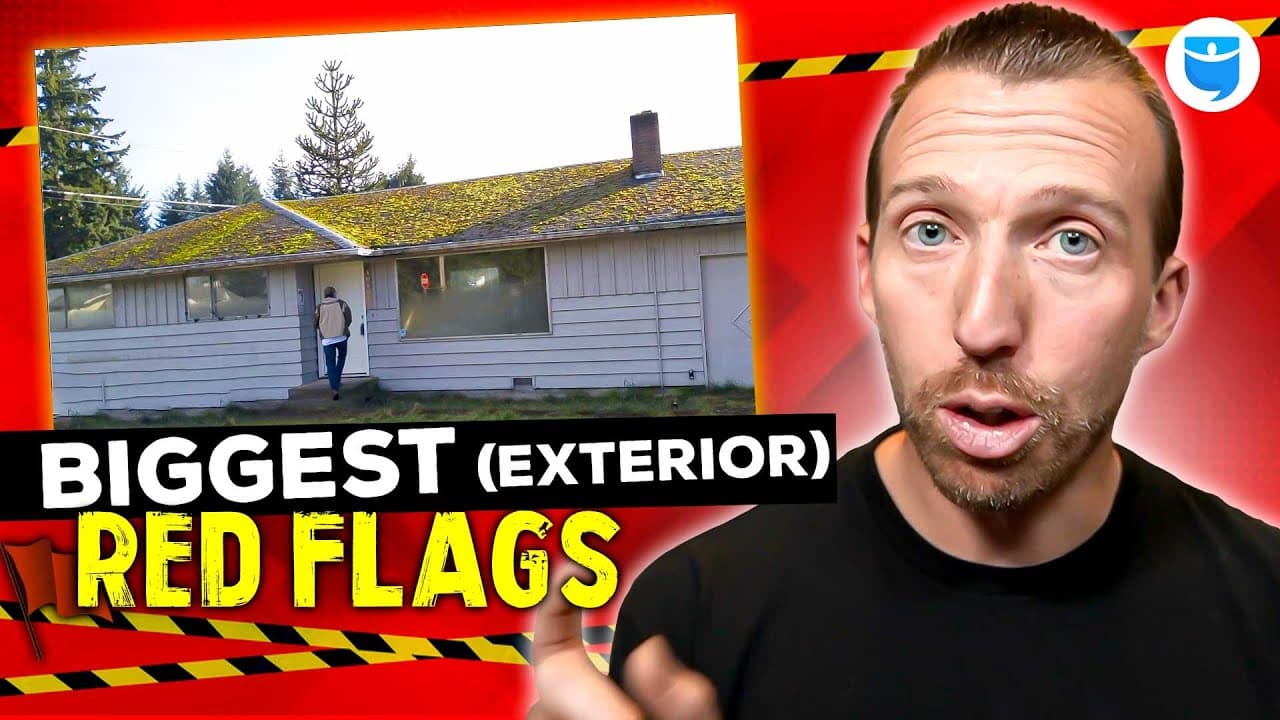
The biggest red flags when buying a house include an old roof, damaged windows, missing gutters, foundation concerns, asbestos siding, galvanized plumbing, fire damage, and electrical problems. Investors should assess these issues through thorough due diligence, estimate how they affect the rehab budget, and make decisions based on numbers rather than excitement or emotion. Read on to see which warning signs can make a deal worth investigating, or worth walking away from.
Transcript
hey everybody I'm Charles yarber with fixated real estate look at this house when you first see a house like this are you excited to be able to purchase this house analyze it jump into it buy it fix it all that great stuff are you more nervous about what the heck this is so many problems with this property there's so many things wrong with it how d... Read More
Key Insights
- Real estate investing requires careful risk mitigation to avoid financial losses.
- Thorough due diligence is crucial before purchasing a property to identify potential red flags.
- Emotional decisions in real estate can lead to costly mistakes; objective analysis is essential.
- Major red flags include old roofs, asbestos siding, and foundation issues.
- Understanding the Max Offer Price helps investors determine the viability of a deal.
- Exterior red flags, such as faulty roofs and windows, can indicate significant repair costs.
- Interior inspections are necessary to uncover hidden issues like fire damage.
- Utilizing resources like BiggerPockets can aid in calculating potential investment costs.
Install to Summarize YouTube Videos and Get Transcripts
Explore YouTube Video Summarizer or Get YouTube Transcript Extractor
Questions & Answers
Q: What are the biggest red flags when buying a house for a rental, rehab, or flip?
Major red flags include an old roof, damaged windows, missing gutters, foundation concerns, asbestos siding, galvanized plumbing, fire damage, and electrical problems. These issues should be evaluated against the rehab budget to determine whether the property deserves further investigation or should be rejected.
Q: How can you identify exterior red flags before buying a house?
Start by examining the roof, chimney, siding, windows, gutters, plumbing vent, and landscaping. In the example property, the roof was visibly old, the windows were damaged, the gutters were gone, the siding contained asbestos, and the plumbing vent indicated galvanized plumbing.
Q: Is asbestos siding always a reason to walk away from a property?
No, asbestos siding is not always bad, especially when it is in good condition. However, if the property must be completely renovated, removing the siding may require asbestos abatement, which costs a lot of money and must be included in the rehab budget.
Q: How does the rehab budget affect whether a distressed house is a viable deal?
The visible condition should be compared with the proposed rehab budget immediately. A house with extensive exterior problems clearly would not fit a $20,000 light-cosmetic budget, while a budget of $100,000 or $125,000 could justify investigating the property further.
Q: Why is due diligence important when buying an investment property?
Thorough due diligence helps investors identify risks before purchasing and understand how major problems affect the deal. It provides an objective basis for deciding whether to become more interested in a property or walk away.
Q: Why should investors avoid buying houses based on emotion?
Excitement, emotion, and hubris can lead investors to overlook costly risks. The transcript recommends using objective methods, thorough due diligence, and the deal's numbers to evaluate each property.
Q: What should investors inspect inside a house before buying it?
Interior inspections should look for hidden concerns such as fire damage, electrical problems, and structural issues. These conditions can increase renovation costs and change whether the project is financially workable.
Q: What is the Max Offer Price in a real estate deal?
The Max Offer Price is the highest amount an investor should offer for a property. It is determined by subtracting the desired profit, estimated rehab costs, and other expenses from the After Repair Value, helping the investor judge whether the deal is financially viable.
Summary & Key Takeaways
-
Identifying red flags in a property is essential for real estate investors to avoid costly mistakes. Key issues like old roofs, asbestos siding, and faulty foundations can significantly impact renovation costs. By conducting thorough due diligence, investors can better assess whether a property is a worthwhile investment or a potential money pit.
-
Exterior inspections reveal critical issues such as roof damage, window problems, and potential foundation concerns. These factors can significantly influence the budget and feasibility of a real estate deal. Investors must consider these elements when evaluating a property's potential for profit.
-
Interior inspections are equally important, as hidden issues like fire damage or electrical problems can escalate renovation costs. Real estate investors should use all available resources, including expert advice and online calculators, to accurately estimate potential expenses and maximize investment returns.
Read in Other Languages (beta)
Share This Summary 📚
Summarize YouTube Videos and Get Video Transcripts with 1-Click
Try YouTube Summary with ChatGPT & Claude or YouTube Transcript Generator
Explore More Summaries from BiggerPockets 📚






Summarize YouTube Videos and Get Video Transcripts with 1-Click
Try YouTube Summary with ChatGPT & Claude or YouTube Transcript Generator