What testing do you need for web apps
TL;DR
This content explains various software testing techniques and tools essential for developers.
Transcript
how's it going y'all so i'm just kind of i'm gonna have a discussion here about testing and um kind of explain to you what we do on our project at work how we do our testing why we do our testing and i'm gonna give you the whole overview just a couple of useful tools that i think if you're a beginner you should definitely look into and learn how to... Read More
Key Insights
- 🐛 Testing is a crucial component of software development that minimizes bugs and ensures functionality.
- 🛟 Different types of testing (unit, integration, e2e) serve various purposes and should be balanced in a testing strategy.
- 🔨 Automated testing tools, such as Cypress for UI testing and Jest for unit/integration testing, streamline the testing process and improve efficiency.
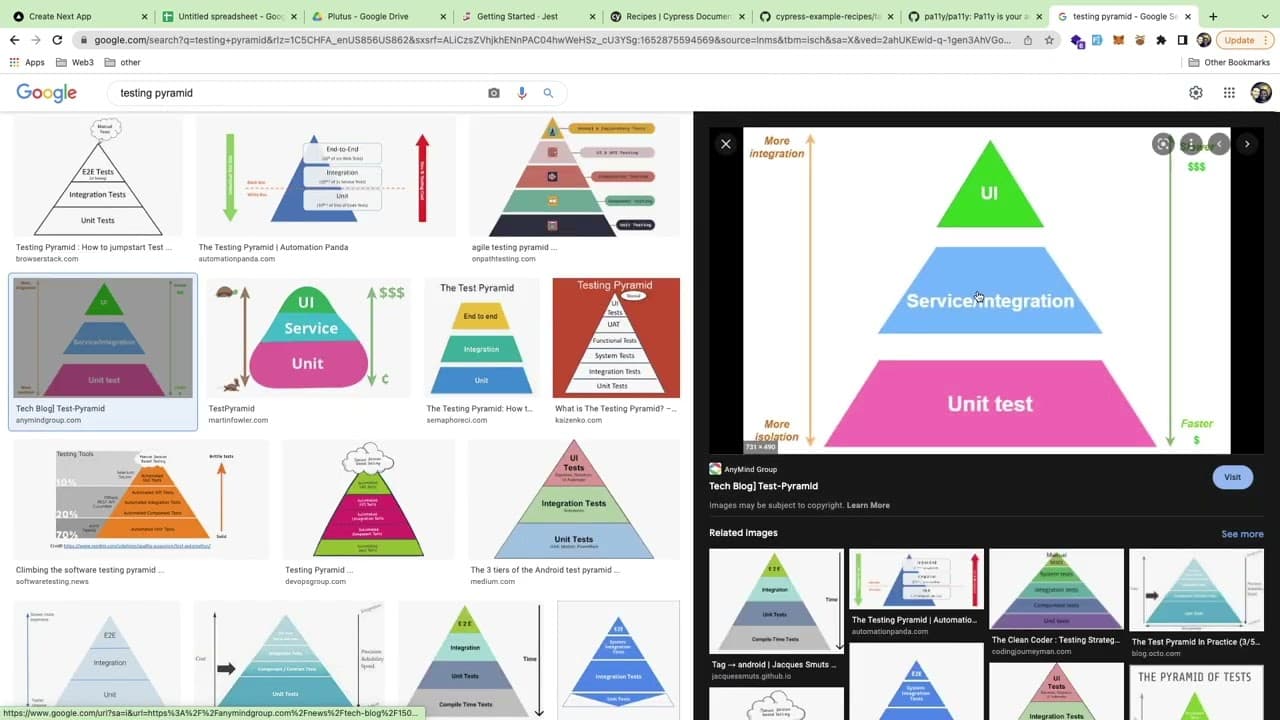
- ❓ A well-structured testing pyramid helps prioritize testing efforts to maximize coverage and performance.
- 🎨 Accessibility testing ensures applications are usable for all individuals, promoting inclusivity in software design.
- 👻 Mocking in unit testing allows for isolated tests that do not rely on external systems, enabling faster and more reliable testing outcomes.
- 👨💻 Code quality tools like linters promote best practices, leading to cleaner, more maintainable code across development teams.
Install to Summarize YouTube Videos and Get Transcripts
Explore YouTube Video Summarizer or Get YouTube Transcript Extractor
Questions & Answers
Q: What is the primary purpose of testing in software development?
The primary purpose of testing in software development is to verify that the code meets its functional requirements and to ensure that all components work correctly together. It helps catch bugs or errors before deployment, saving time and resources in the long run, and ensures a smooth user experience by validating critical features like login and transactions.
Q: Can you explain the difference between unit tests and integration tests?
Unit tests focus on testing individual functions or components in isolation, ensuring that each part performs as expected. In contrast, integration tests assess whether multiple components work together correctly. While unit tests run quickly and are easier to write, integration tests are vital for determining if the various parts of an application effectively interact, which is crucial for overall functionality.
Q: Why is end-to-end testing important and what tools can be used for it?
End-to-end testing is essential because it simulates real user scenarios to ensure that the entire application functions correctly from the user's perspective. Tools like Cypress and Selenium can automate these tests, allowing developers to validate the user experience efficiently and verify that critical workflows, like logging in or checking out, work seamlessly.
Q: How does accessibility testing impact software development?
Accessibility testing is crucial as it ensures that applications are usable for individuals with disabilities, such as those who are visually impaired or have difficulty using a mouse. By implementing tools and practices that validate the accessibility features of an application, developers can create inclusive software that meets regulatory standards and provides a better experience for all users.
Q: What role does mocking play in unit testing?
Mocking is used in unit testing to simulate the behavior of complex systems and external dependencies, such as databases or APIs, without needing to make actual calls. This ensures that tests run faster and isolate the behavior of the specific function being tested, allowing developers to verify that their code can handle various scenarios without the overhead of real-world interactions.
Q: Why should a developer care about testing in their projects?
Developers should care about testing because it significantly reduces the risk of introducing bugs into production, which can lead to loss of revenue and user trust. Well-designed tests also save time during development by catching errors early, enable easier maintenance of the codebase, and ultimately improve the software quality and user satisfaction.
Q: Can you describe the testing pyramid and its significance?
The testing pyramid is a conceptual model that illustrates the different levels of testing in software development. It emphasizes that a robust testing strategy includes many unit tests at the base for quick, inexpensive validation, fewer integration tests for component interactions, and the least number of end-to-end tests at the top, which are slower and more costly. This approach ensures comprehensive coverage while maintaining efficiency.
Q: What are linting tools, and why are they important?
Linting tools analyze source code to identify stylistic errors and ensure adherence to coding standards. They help maintain consistency in code formatting among multiple developers working on the same project, which improves code readability and collaboration. High-quality code is easier to maintain, debug, and understand, leading to reduced errors and better overall software performance.
Summary & Key Takeaways
-
The discussion covers different types of testing, including unit, integration, and end-to-end (e2e) testing, emphasizing their significance in software development.
-
It highlights the use of automated testing tools like Cypress for effective UI testing and Jest for unit and integration testing.
-
The content also addresses the importance of accessibility testing and proper coding practices to ensure a seamless experience for all users.
Read in Other Languages (beta)
Share This Summary 📚
Summarize YouTube Videos and Get Video Transcripts with 1-Click
Try YouTube Summary with ChatGPT & Claude or YouTube Transcript Generator
Explore More Summaries from Web Dev Cody 📚

Summarize YouTube Videos and Get Video Transcripts with 1-Click
Try YouTube Summary with ChatGPT & Claude or YouTube Transcript Generator