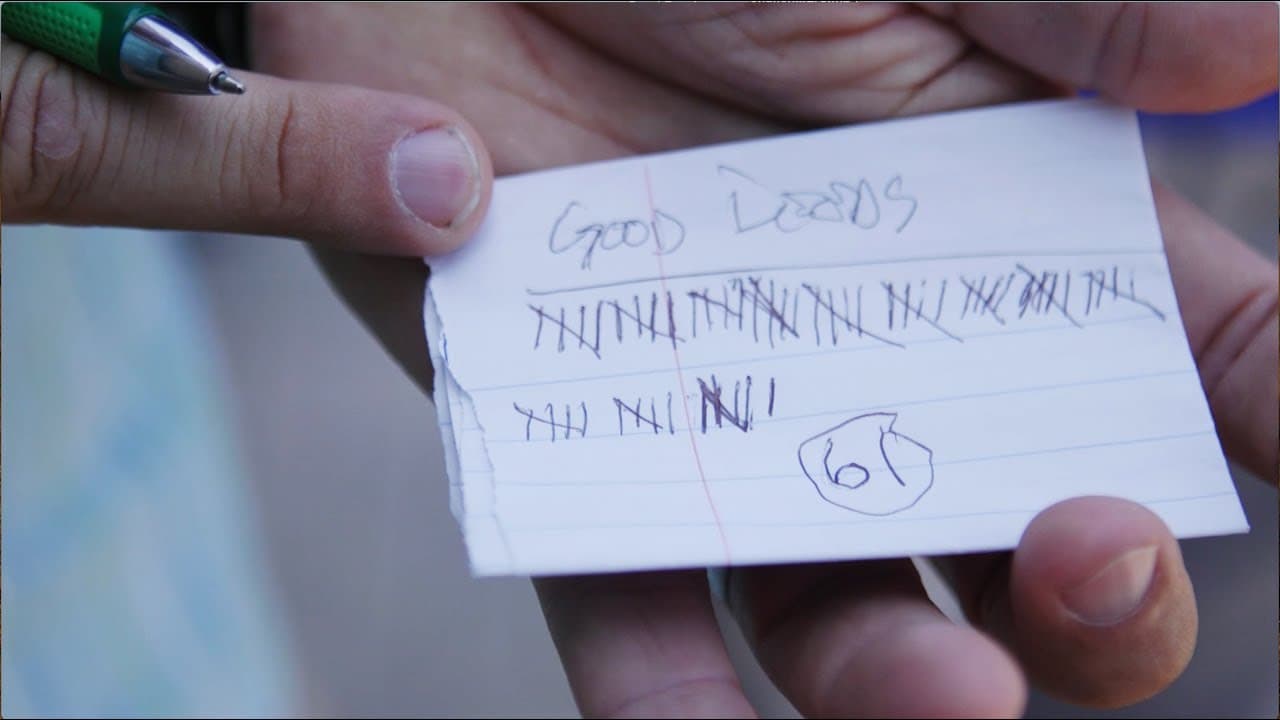
GOOD DEEDS CHALLENGE (How Many Good Deeds Can You Do?)
TL;DR
Encouraging good deeds enhances personal and community value.
Transcript
there's four things I want you guys to learn when you're here gratitude empathy accountability and effective communication but no matter what somebody teaches you or what you hear if you don't buy into it it's never gonna help you I can only tell you what works for me and you need to find out what works for you when I look at something that I I bel... Read More
Key Insights
- Gratitude, empathy, accountability, and effective communication are foundational values that can enhance personal and professional life.
- Engaging in good deeds, such as complimenting others or picking up trash, is a risk-free way to add value to oneself and the community.
- Appreciation involves recognizing and giving value to others, which can be as simple as a smile or a kind gesture.
- Good deeds can have a ripple effect, spreading positivity and enhancing the day of those around you.
- Building a company based on value and appreciation can lead to both personal satisfaction and professional success.
- Expressing love and gratitude to friends and family can strengthen relationships and create a sense of fulfillment.
- Performing good deeds can bring unexpected joy and satisfaction, making it a rewarding practice.
- Asking the universe for something big after performing good deeds can be a powerful exercise in manifesting desires.
Install to Summarize YouTube Videos and Get Transcripts
Explore YouTube Video Summarizer or Get YouTube Transcript Extractor
Questions & Answers
Q: What are the key values David Meltzer wants to impart?
David Meltzer emphasizes gratitude, empathy, accountability, and effective communication as foundational values. These principles are crucial for personal growth and professional success. By adopting these values, individuals can improve their interactions with others and create a more positive and productive environment.
Q: How does performing good deeds add value?
Performing good deeds, such as complimenting someone or picking up trash, adds value by enhancing the well-being of both the giver and the receiver. These actions create a ripple effect of positivity, improving the community and fostering a sense of fulfillment and connection among individuals.
Q: What is the significance of appreciation in Meltzer's message?
Appreciation is about recognizing and giving value to others, which can be achieved through simple gestures like smiling or expressing gratitude. This practice fosters a culture of positivity and respect, enhancing relationships and creating a supportive and uplifting environment.
Q: How does Meltzer suggest good deeds can impact one's life?
Meltzer suggests that engaging in good deeds can lead to personal satisfaction and joy, as well as strengthen relationships and community ties. By spreading positivity and kindness, individuals not only improve the lives of others but also experience a profound sense of happiness and fulfillment themselves.
Q: What does Meltzer mean by asking the universe for something big?
After performing good deeds, Meltzer encourages individuals to take a moment to ask the universe for something big. This practice involves setting intentions and manifesting desires, promoting a mindset of abundance and openness to opportunities that align with one's goals and aspirations.
Q: How can good deeds influence professional success?
Incorporating good deeds and appreciation into a professional setting can enhance workplace culture, improve team dynamics, and foster a supportive environment. By valuing and recognizing contributions, organizations can increase employee satisfaction and productivity, leading to greater success and achievement.
Q: What is the role of effective communication in Meltzer's philosophy?
Effective communication is crucial in Meltzer's philosophy as it facilitates understanding, collaboration, and problem-solving. By communicating clearly and empathetically, individuals can build stronger relationships, resolve conflicts, and create a more harmonious and productive environment both personally and professionally.
Q: Why does Meltzer emphasize the cost of a smile?
Meltzer highlights that a smile costs nothing yet can provide immense value. It serves as a simple yet powerful tool for spreading positivity and kindness. By smiling, individuals can uplift others, improve their own mood, and contribute to a more positive and connected community.
Summary & Key Takeaways
-
David Meltzer emphasizes the importance of gratitude, empathy, accountability, and effective communication as key values. He encourages people to engage in good deeds, which can be as simple as smiling or picking up trash, to add value to themselves and their communities.
-
The concept of appreciation is central to Meltzer's message, suggesting that recognizing and giving value to others can create a positive atmosphere. This approach is beneficial both personally and professionally, as it fosters a culture of positivity and gratitude.
-
Meltzer's challenge to perform as many good deeds as possible aims to inspire individuals to spread positivity and enhance their own lives. He encourages participants to reflect on their actions and ask the universe for something big, promoting a mindset of abundance and generosity.
Read in Other Languages (beta)
Share This Summary 📚
Summarize YouTube Videos and Get Video Transcripts with 1-Click
Try YouTube Summary with ChatGPT & Claude or YouTube Transcript Generator
Explore More Summaries from David Meltzer 📚



Summarize YouTube Videos and Get Video Transcripts with 1-Click
Try YouTube Summary with ChatGPT & Claude or YouTube Transcript Generator