Smart Hearts: Social and Emotional Learning Overview

TL;DR
Schools are implementing programs to teach social and emotional skills, promoting empathy, conflict resolution, and emotional intelligence to improve student well-being and academic success.
Transcript
Male Newscaster: The video was posted on MySpace by [inaudible]. This assault occurred in North Babylon, New York. The victim apparently just twelve years old. Her attackers are fourteen year old ninth graders... >>Male caller: A student with a gun at the [inaudible] Academy. >>Female 911 Operator: Okay, where's the student at? >>Female Newscaste... Read More
Key Insights
- 🧑🎓 Addressing social and emotional needs in schools improves student well-being and academic success.
- 🧑 Creating a supportive and inclusive environment requires consistent effort from adults, with changes in school culture taking time.
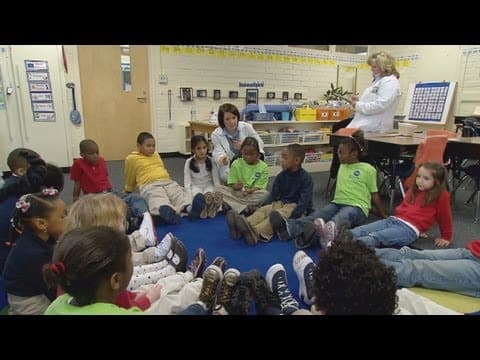
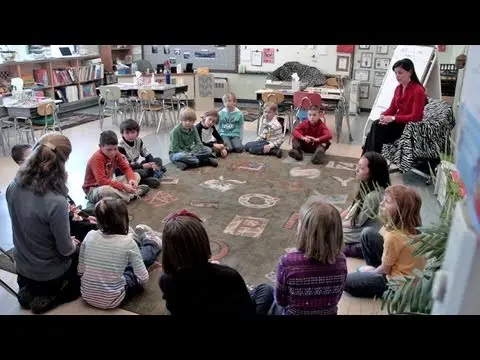
- 🧑🎓 Teaching social-emotional skills, such as empathy and conflict resolution, helps students manage emotions and resolve conflicts non-violently.
- 🧑🎓 Students who possess emotional intelligence perform better academically and have improved attention and memory.
- 🧑🏫 Programs like Resolving Conflict Creatively provide curriculum material to teach social-emotional skills in classrooms.
- 🧑🎓 Students can take an active role in solving classroom disputes through programs like the AVB curriculum.
- 🧑🏫 Districts like New Haven, Connecticut, and Anchorage, Alaska, have pioneered comprehensive approaches to teaching social-emotional skills.
Install to Summarize YouTube Videos and Get Transcripts
Explore YouTube Video Summarizer or Get YouTube Transcript Extractor
Questions & Answers
Q: How does addressing social and emotional needs in schools improve academic performance?
Research shows that students participating in social-emotional learning programs score on average 10% higher on standardized tests, as these skills help them pay attention, process information, and remember better.
Q: What are some examples of social and emotional skills taught in schools?
Schools teach empathy, conflict resolution, emotional management, and effective communication skills to help students handle their own feelings and get along well with others.
Q: How can schools create a supportive and inclusive environment for students?
Adults working with kids need to consistently reiterate the importance of treating each other well, and it can take three to five years to change a school's culture. Creating this environment involves addressing bullying, promoting empathy, and providing opportunities for students to share their experiences.
Q: How does teaching social and emotional skills benefit students in the long run?
By equipping young people with these skills, they are better able to identify and manage their emotions, communicate effectively, and resolve conflicts non-violently, resulting in healthier relationships and improved well-being.
Summary & Key Takeaways
-
Comedian and former probation officer Michael Pritchard travels to schools across the country, helping students express their emotions and address bullying.
-
Creating a supportive and inclusive environment takes time and effort from adults, with changes in school culture taking three to five years to see significant improvement.
-
Teaching social-emotional skills in classrooms through programs like Resolving Conflict Creatively helps students manage emotions, communicate effectively, and resolve conflicts non-violently.
Read in Other Languages (beta)
Share This Summary 📚
Summarize YouTube Videos and Get Video Transcripts with 1-Click
Try YouTube Summary with ChatGPT & Claude or YouTube Transcript Generator
Explore More Summaries from Edutopia 📚



Summarize YouTube Videos and Get Video Transcripts with 1-Click
Try YouTube Summary with ChatGPT & Claude or YouTube Transcript Generator