Why did we shoot water bears out of cannons? | [OFFICE HOURS] Podcast 054
TL;DR
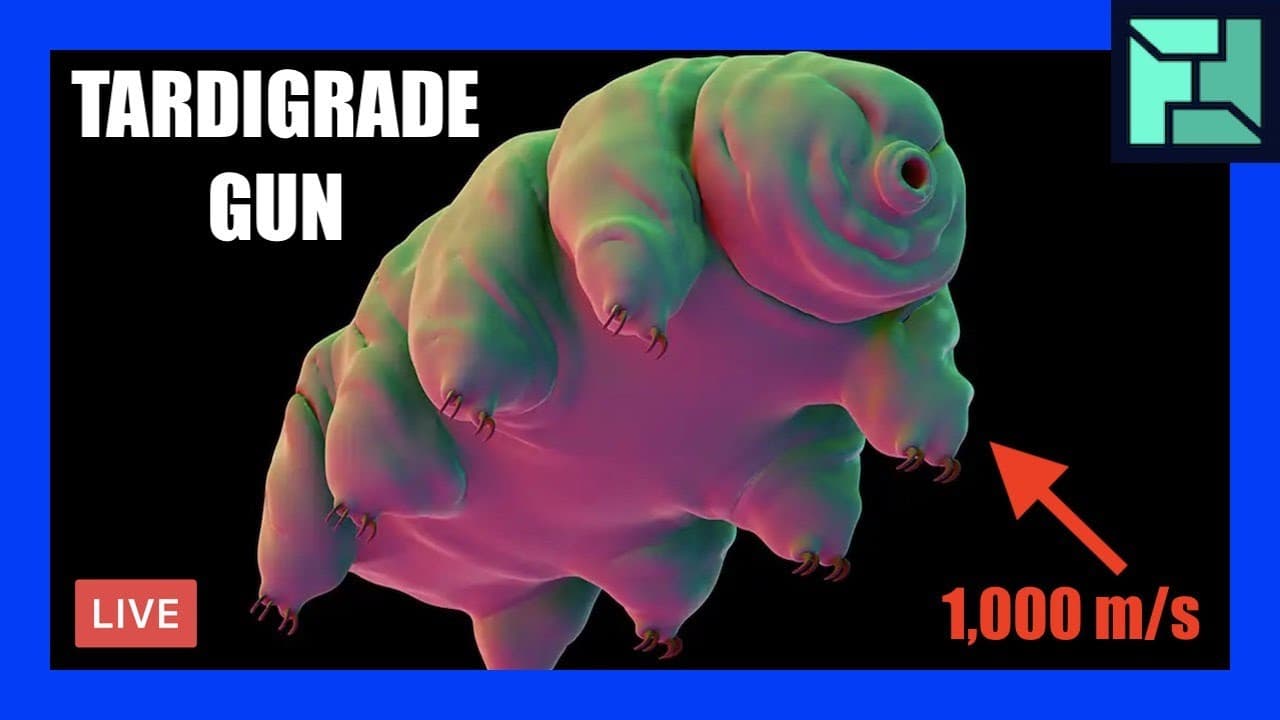
Scientists shoot tardigrades out of an air cannon to test the viability of panspermia, the idea that life can travel from one planet to another, but find that high-velocity impacts pose challenges for survival.
Transcript
space the final frontier as some guy with less hair than me said is there other life in the universe perhaps the greatest question we can ever hope to answer are we completely alone well one of the ways that we might not be completely alone is if life was able to travel from certain primordial soups on one planet to another planet this idea is call... Read More
Key Insights
- 🛟 Panspermia is the idea that life can travel from one planet to another, potentially increasing the chances of finding life elsewhere in the universe.
- 👱 The research involved shooting frozen tardigrades out of an air cannon to simulate potential impacts during panspermia.
- ✋ Survival rates of tardigrades decreased significantly at higher impact velocities, raising questions about the feasibility of panspermia as a means of life transfer.
Install to Summarize YouTube Videos and Get Transcripts
Explore YouTube Video Summarizer or Get YouTube Transcript Extractor
Questions & Answers
Q: What is panspermia?
Panspermia is the hypothesis that life on Earth could have originated from microorganisms traveling through space and landing on our planet.
Q: How did researchers test the viability of panspermia?
Researchers shot frozen tardigrades out of an air cannon at different impact velocities and materials to simulate potential impacts during panspermia.
Q: What were the findings of the study?
The study found that tardigrades could survive impacts at lower velocities but had significantly decreased survival rates at higher velocities.
Q: What are the implications of the research?
The research suggests that the survival of organisms during panspermia may be more challenging than previously thought due to the dangers of high-velocity impacts.
Summary & Key Takeaways
-
Researchers shoot frozen tardigrades out of an air cannon to simulate the conditions of panspermia, the potential transfer of life between planets.
-
Results show that tardigrades can survive impacts at lower velocities, but survival rates decrease significantly at higher velocities.
-
The study suggests that the low likelihood of survival in high-velocity impacts raises questions about the feasibility of panspermia as a means of life transfer between planets.
Read in Other Languages (beta)
Share This Summary 📚
Summarize YouTube Videos and Get Video Transcripts with 1-Click
Try YouTube Summary with ChatGPT & Claude or YouTube Transcript Generator
Explore More Summaries from [OFFICE HOURS] 📚


![🔴 Viral "Hanger Reflex" Explained! | [OFFICE HOURS] Podcast 090 thumbnail](/_next/image?url=https%3A%2F%2Fi.ytimg.com%2Fvi%2F-GQPNu0erKc%2Fhqdefault.jpg&w=750&q=75)

Summarize YouTube Videos and Get Video Transcripts with 1-Click
Try YouTube Summary with ChatGPT & Claude or YouTube Transcript Generator