The Time of the Kurds
TL;DR
Kurds seek independence amid Middle East turmoil.
Transcript
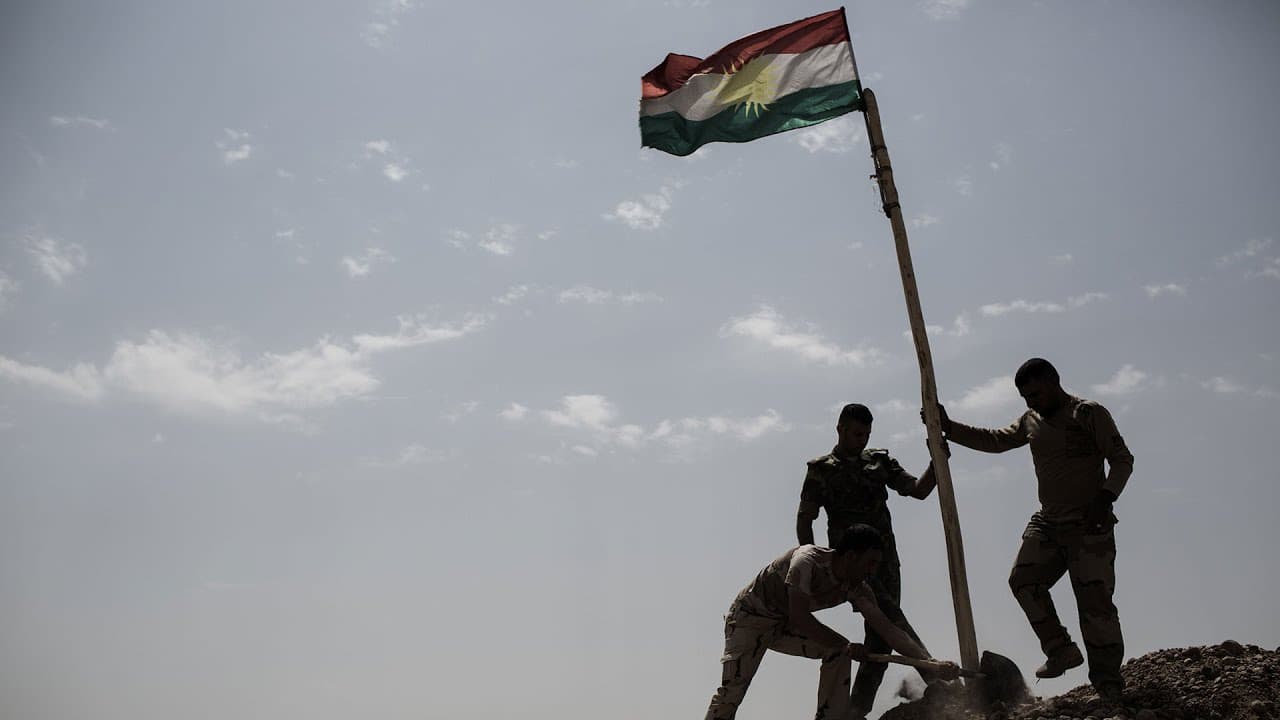
The Kurds are the largest ethnic minority in the world who do not have a state of their own. There are approximately 30 million Kurds in Syria, Iraq, Iran and Turkey. They have now become very important actors not only in Iraq, but also in the Syrian civil war and in Turkey. The Kurdish people are separate, they are linguistically different, they a... Read More
Key Insights
- The Kurds are the largest ethnic group without a state, numbering around 30 million across Syria, Iraq, Iran, and Turkey. Their distinct cultural and linguistic identity sets them apart from the dominant groups in these countries.
- Historically marginalized and persecuted, the Kurds have long aspired for a greater Kurdistan. Despite numerous rebellions, geopolitical dynamics have prevented them from achieving statehood.
- Significant autonomy has been achieved by Iraqi Kurds, recognized internationally and by Baghdad, marking a crucial step towards their self-determination.
- Syrian Kurds have successfully resisted ISIS, establishing self-rule in northern Syria and garnering international attention and support, particularly from the United States.
- The PKK, a Turkish-Kurdish insurgent group, is engaged in historic negotiations with Turkey for a resolution to their long-standing conflict, signaling a potential shift in Turkish-Kurdish relations.
- The Kurds' role in combating ISIS has elevated their importance in U.S. foreign policy, as they are seen as key partners in the fight against terrorism in the region.
- Economic partnerships, particularly with Turkey, have bolstered the Kurds' political legitimacy, complicating the geopolitical landscape for regional powers and the United States.
- The fragmentation of Syria and Iraq, alongside weakened central governments, presents an unprecedented opportunity for the Kurds to advance their independence aspirations.
Install to Summarize YouTube Videos and Get Transcripts
Explore YouTube Video Summarizer or Get YouTube Transcript Extractor
Questions & Answers
Q: Why are the Kurds considered the largest ethnic group without a state?
The Kurds are considered the largest ethnic group without a state because they number approximately 30 million people distributed across Syria, Iraq, Iran, and Turkey. Despite their significant population and distinct cultural and linguistic identity, they have historically been unable to establish a sovereign state due to geopolitical dynamics and opposition from the countries they inhabit.
Q: What significant autonomy have Iraqi Kurds achieved?
Iraqi Kurds have achieved significant autonomy through the establishment of the Kurdistan Regional Government (KRG), which is recognized both internationally and by the Iraqi government in Baghdad. This autonomy allows them to govern their own affairs, manage resources, and maintain security forces, marking a crucial step towards their long-term aspirations for self-determination.
Q: How have Syrian Kurds gained international attention?
Syrian Kurds have gained international attention by successfully resisting ISIS and establishing self-rule in northern Syria. Their effective military resistance against ISIS attracted significant support from the United States and other international actors, highlighting their strategic importance in the region and advancing their political aspirations on the global stage.
Q: What is the significance of the PKK's negotiations with Turkey?
The PKK's negotiations with Turkey are significant as they represent a potential resolution to the decades-long conflict between the Turkish state and the Kurdish insurgent group. These talks could lead to a historic shift in Turkish-Kurdish relations, potentially paving the way for greater autonomy or rights for Kurds within Turkey, and influencing regional stability.
Q: Why are the Kurds important to U.S. foreign policy?
The Kurds are important to U.S. foreign policy primarily due to their role as key allies in the fight against ISIS. Their military effectiveness and strategic location make them valuable partners in counterterrorism efforts. Additionally, their quest for autonomy and potential statehood aligns with U.S. interests in promoting stability and democracy in the Middle East.
Q: How do economic partnerships affect the Kurds' political legitimacy?
Economic partnerships, particularly with Turkey, enhance the Kurds' political legitimacy by integrating them into regional economic frameworks. These partnerships provide economic benefits and stability, making the Kurds more viable as political actors. However, they also complicate the geopolitical landscape, as neighboring countries weigh the benefits against the potential risks of Kurdish independence.
Q: What opportunities arise from the fragmentation of Syria and Iraq?
The fragmentation of Syria and Iraq presents opportunities for the Kurds to advance their independence aspirations. Weakened central governments and the shifting geopolitical landscape create a power vacuum that the Kurds can exploit to solidify their autonomy, gain international recognition, and potentially move closer to establishing a sovereign Kurdish state.
Q: What challenges do the Kurds face in their quest for independence?
The Kurds face several challenges in their quest for independence, including opposition from regional powers like Turkey, Iran, and Syria, which fear the implications of a Kurdish state on their territorial integrity. Additionally, the complex geopolitical dynamics, internal divisions among Kurdish factions, and the need for international support further complicate their path towards achieving statehood.
Summary & Key Takeaways
-
The Kurds, numbering around 30 million, are the world's largest ethnic group without a state, spread across Syria, Iraq, Iran, and Turkey. Despite their distinct identity, geopolitical factors have historically hindered their quest for independence.
-
Iraqi Kurds have achieved significant autonomy, recognized internationally, while Syrian Kurds have established self-rule amid the fight against ISIS. These developments highlight the Kurds' growing geopolitical significance in the Middle East.
-
The Kurds' strategic partnerships, particularly in combating ISIS, have increased their importance in U.S. foreign policy. However, regional dynamics, including economic ties with Turkey, complicate their path towards potential independence.
Read in Other Languages (beta)
Share This Summary 📚
Summarize YouTube Videos and Get Video Transcripts with 1-Click
Try YouTube Summary with ChatGPT & Claude or YouTube Transcript Generator
Explore More Summaries from Council on Foreign Relations 📚


Summarize YouTube Videos and Get Video Transcripts with 1-Click
Try YouTube Summary with ChatGPT & Claude or YouTube Transcript Generator