The rise and fall of the American fallout shelter
TL;DR
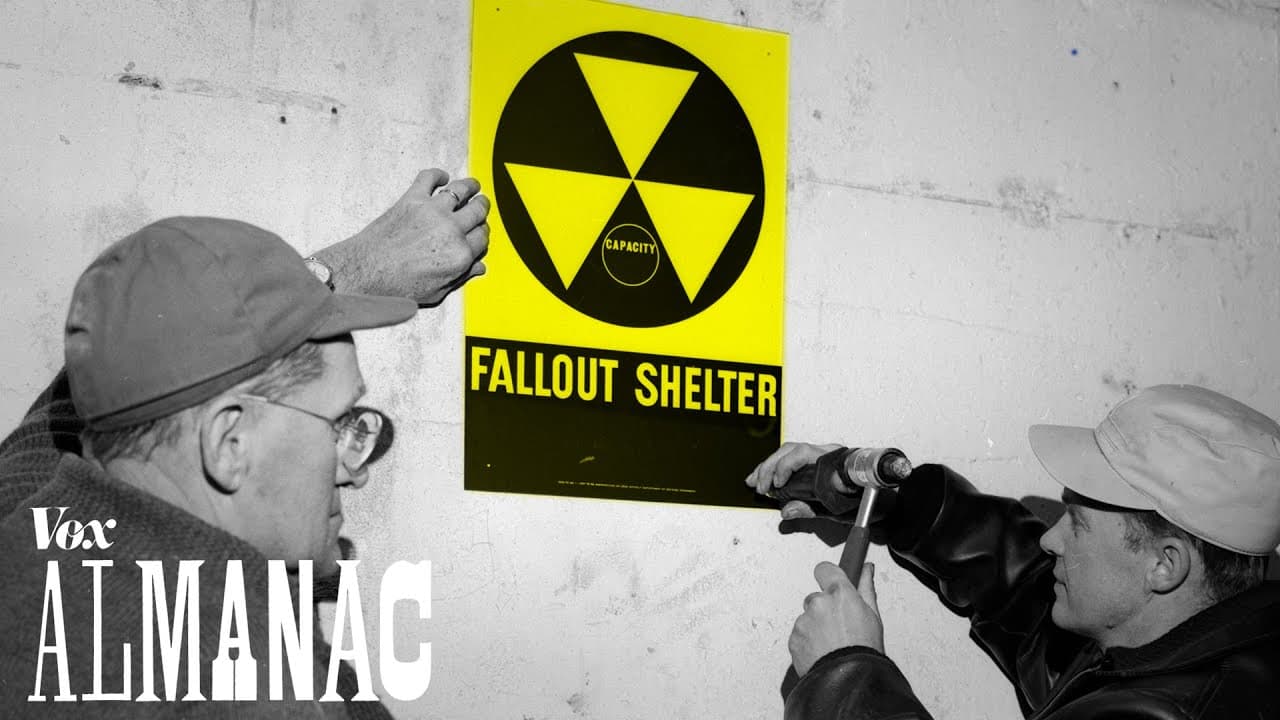
Fallout shelters were a Cold War response to nuclear threats.
Transcript
“4...3...2...1” “T-Zero!” This is the Operation Ivy nuclear test in 1952. And this is using a level for really nice masonry on your fallout shelter. It’s from 1960’s Walt Builds a Family Fallout Shelter. The idea was that you’d deck out your basement so you’d be safe when the bomb went off and this happened. “Well, this finishes my fallout shelter.... Read More
Key Insights
- The Cold War era saw the rise of fallout shelters as a response to the nuclear threat, heavily promoted by federal agencies and presidents.
- Fallout shelters were integrated into American culture as a means of protection from radioactive fallout, with both public and private shelters being built.
- The concept of fallout shelters was fueled by Cold War paranoia, raising questions about their actual effectiveness in a nuclear event.
- The timeline of Civil Defense evolved from the 1930s through the 1960s, reflecting changes in nuclear threat levels and government policies.
- The 1950s saw the introduction of 'Duck and Cover' drills, which were later deemed outdated as nuclear technology advanced.
- The development of intercontinental ballistic missiles in 1957 made evacuation plans obsolete, prompting a shift towards personal fallout shelters.
- President Kennedy's 1961 speech marked a shift in civil defense policy, emphasizing the identification and marking of fallout shelter spaces.
- Despite the efforts, the practicality and effectiveness of fallout shelters in a full-scale nuclear attack remained questionable, as demonstrated by simulations of nuclear bomb impacts.
Install to Summarize YouTube Videos and Get Transcripts
Explore YouTube Video Summarizer or Get YouTube Transcript Extractor
Questions & Answers
Q: What was the purpose of fallout shelters during the Cold War?
Fallout shelters were designed as protective spaces for individuals to take refuge from radioactive fallout in the event of a nuclear attack. Promoted heavily by federal agencies, these shelters were part of a broader civil defense strategy to mitigate the effects of nuclear explosions and ensure public safety during the Cold War.
Q: How did the concept of fallout shelters evolve over time?
The concept of fallout shelters evolved from early civil defense initiatives in the 1930s to more developed strategies in the 1950s and 60s. Initially focused on evacuation and public shelters, the strategy shifted towards personal fallout shelters as nuclear threats became more advanced and evacuation plans proved impractical.
Q: What role did federal agencies play in promoting fallout shelters?
Federal agencies played a significant role in promoting fallout shelters by producing educational films, publishing pamphlets, and coordinating civil defense initiatives. They aimed to educate the public on the dangers of nuclear fallout and the importance of having a designated shelter space, whether public or private.
Q: Were fallout shelters considered effective in the event of a nuclear attack?
The effectiveness of fallout shelters in a nuclear attack was questionable, especially as nuclear technology advanced. While they offered some protection from fallout, simulations showed that in the event of a large-scale nuclear exchange, urban shelters would likely be destroyed, and the overall impact on major cities would be catastrophic.
Q: How did President Kennedy influence civil defense policy?
President Kennedy influenced civil defense policy by emphasizing the need for identifying and marking fallout shelter spaces in existing structures. His 1961 speech highlighted a shift towards a more organized civil defense strategy, requesting increased funding to improve shelter infrastructure and send a message of resilience to the Soviet Union.
Q: What impact did the development of intercontinental ballistic missiles have on civil defense strategies?
The development of intercontinental ballistic missiles in 1957 rendered evacuation plans obsolete due to the lack of warning time before a strike. This prompted a shift in civil defense strategies towards encouraging individuals to build personal fallout shelters, as the government sought to adapt to the changing nature of the nuclear threat.
Q: What cultural impact did fallout shelters have during the Cold War?
Fallout shelters became a cultural symbol of Cold War paranoia, reflecting the pervasive fear of nuclear annihilation. They were featured in educational films and propaganda, becoming an integral part of American life and a reminder of the constant threat posed by nuclear weapons during this tense historical period.
Q: How did civil defense spending change over time?
Civil defense spending declined during the Johnson administration due to factors such as JFK's assassination and the Vietnam War buildup. While agencies continued to operate with limited resources, the lack of substantial investment meant that a comprehensive fallout-sheltered nation was never fully realized, highlighting the limitations of the civil defense efforts.
Summary & Key Takeaways
-
The video explores the history of fallout shelters during the Cold War, highlighting their cultural significance and the federal efforts to promote them as a defense strategy against nuclear threats. It delves into the evolution of civil defense policies and the challenges faced in implementing effective protective measures.
-
Fallout shelters became a symbol of Cold War paranoia, with government agencies encouraging their construction as a means of protection from radioactive fallout. The video questions the practicality of these shelters and examines the broader implications of civil defense strategies during this tense period in history.
-
Through a detailed look at historical footage and government initiatives, the video provides insight into the rise and fall of fallout shelters, reflecting on the absurdity and seriousness of Cold War-era civil defense measures. It also considers the lasting impact of this period on American culture and public policy.
Read in Other Languages (beta)
Share This Summary 📚
Summarize YouTube Videos and Get Video Transcripts with 1-Click
Try YouTube Summary with ChatGPT & Claude or YouTube Transcript Generator
Explore More Summaries from Vox 📚


Summarize YouTube Videos and Get Video Transcripts with 1-Click
Try YouTube Summary with ChatGPT & Claude or YouTube Transcript Generator