The White House on the Relationship Between Climate Crises & Conflict Zones
TL;DR
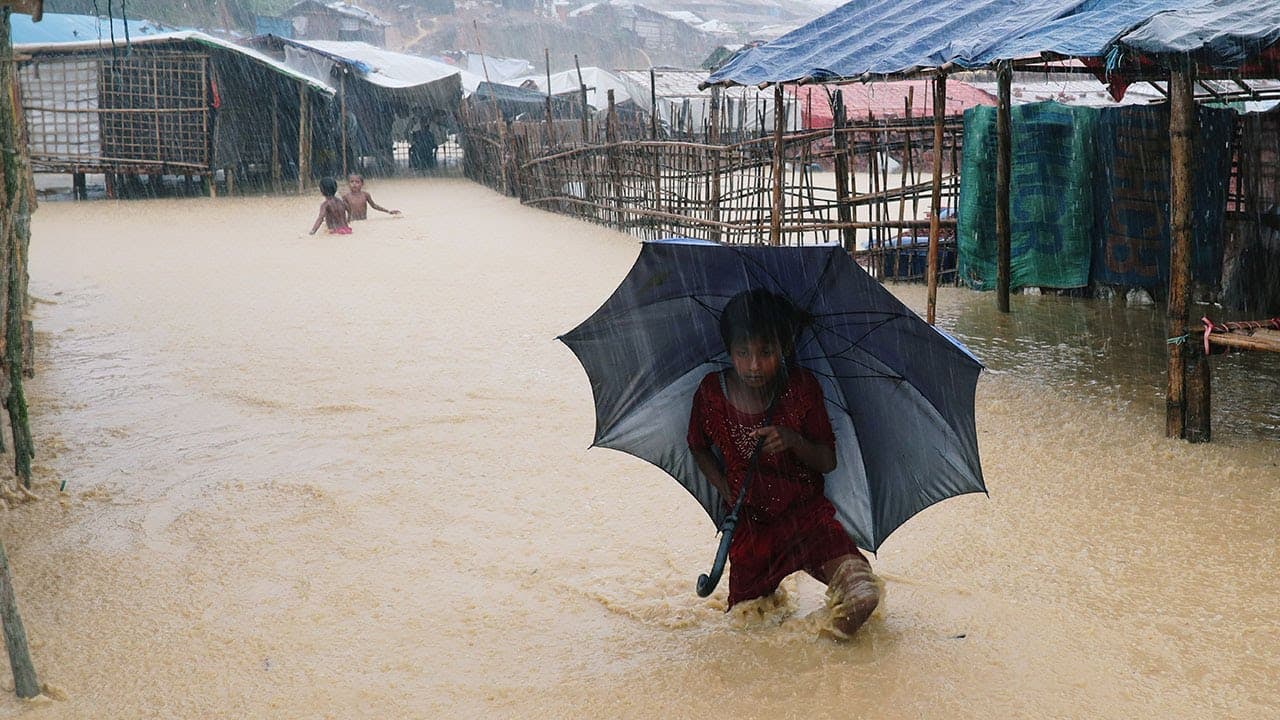
John Podesta and David Miliband discuss climate vulnerability's impact on conflict zones.
Transcript
FROMAN: Well, good afternoon, everybody. My name is Mike Froman. Welcome to the Council. It’s great to see so many people here in person. We’re delighted to be able to welcome John Podesta, senior advisor to the president for clean energy innovation and implementation and special presidential envoy for climate; and David Miliband, president an... Read More
Key Insights
- John Podesta emphasizes the need for both mitigation and adaptation in addressing climate change, with a focus on reducing emissions and preparing for its impacts.
- David Miliband highlights the overlap between climate vulnerability and conflict, noting that 16 countries with both issues account for a large portion of global humanitarian needs.
- The U.S. is committed to providing resources for building resilience in vulnerable areas, primarily through initiatives like PREPARE, which aims to help half a billion people adapt to climate change.
- The conversation acknowledges the disparities in climate finance distribution, with a call for more investment in fragile and conflict states, which often receive less support.
- John Podesta discusses the importance of international cooperation, particularly with China, in addressing climate change despite geopolitical tensions.
- The role of trade in combating climate change is explored, with a focus on aligning international trade policies with climate goals.
- The discussion touches on the need for sustainable development pathways in Africa, emphasizing gender equity and reproductive rights as key factors.
- Debt and financial constraints in developing countries, particularly in Africa, are identified as significant barriers to climate resilience and development.
Install to Summarize YouTube Videos and Get Transcripts
Explore YouTube Video Summarizer or Get YouTube Transcript Extractor
Questions & Answers
Q: What is the U.S. position on global responsibility towards fragile and conflict states?
The U.S. prioritizes providing resources to build resilience and adapt to climate change in vulnerable areas. Initiatives like PREPARE aim to help half a billion people adapt, with a focus on early warning systems to reduce the impact of extreme weather. The U.S. seeks to address the root causes of conflict exacerbated by climate change through international cooperation and development support.
Q: How does the U.S. balance cooperation with China on climate amid geopolitical tensions?
Despite geopolitical tensions, the U.S. maintains a dialogue with China on climate issues, focusing on areas like non-CO2 gases and carbon capture. The U.S. aims to foster cooperation while addressing economic security concerns, such as overdependence on Chinese supply chains for clean technologies. The goal is to find common ground to advance global climate efforts.
Q: What is the significance of the $100 billion climate finance commitment?
The $100 billion climate finance commitment aims to unlock further capital from international financial institutions and the private sector for climate action. However, the distribution of these funds often does not reach fragile and conflict states due to challenges in working through government systems. Efforts are underway to explore alternative distribution models, such as working with civil society actors, to reach vulnerable populations.
Q: How can adaptation efforts be linked to development in vulnerable regions?
Adaptation efforts can be linked to development by ensuring that they create economic opportunities and improve livelihoods. This involves integrating adaptation into broader development strategies, such as enhancing infrastructure, education, and health systems. The focus should be on creating jobs and sustainable economic growth while building resilience to climate impacts.
Q: What role does trade play in addressing climate change?
Trade plays a crucial role in addressing climate change by facilitating the exchange of low-carbon technologies and promoting sustainable production methods. The U.S. is exploring ways to align trade policies with climate goals, such as accounting for the carbon footprint of tradable goods. International cooperation is essential to ensure that trade supports global decarbonization efforts.
Q: What challenges do fragile and conflict states face in accessing climate finance?
Fragile and conflict states face significant challenges in accessing climate finance due to governance issues and the difficulty of working through government systems. These countries often require alternative financing models that involve civil society actors to reach vulnerable populations. The lack of investment in these regions hampers their ability to build resilience and address climate impacts effectively.
Q: How does the U.S. approach the issue of population growth in Africa?
The U.S. emphasizes the importance of gender equity and reproductive rights in managing population growth in Africa. By empowering women and ensuring access to education and reproductive health services, countries can develop stable and sustainable societies. This approach aligns with broader development goals and supports economic growth while addressing demographic challenges.
Q: What is the impact of debt on climate resilience in developing countries?
Debt poses a significant barrier to climate resilience in developing countries, particularly in Africa, where many nations face liquidity issues due to debt obligations. This limits their ability to invest in climate adaptation and development. Innovative solutions, such as debt-for-nature swaps, are being explored to alleviate financial constraints and support sustainable development pathways.
Summary & Key Takeaways
-
John Podesta and David Miliband discuss the critical link between climate change and conflict zones, emphasizing the need for both mitigation and adaptation strategies. They highlight the importance of international cooperation and the challenges faced by vulnerable countries in securing adequate climate finance. The conversation underscores the U.S. commitment to supporting global climate resilience.
-
The dialogue explores the disparities in climate finance distribution, particularly in fragile and conflict states, and the role of trade in addressing climate change. Podesta emphasizes the importance of cooperation with China and other nations to drive global climate efforts, despite geopolitical tensions. The need for sustainable development in Africa is also discussed.
-
Podesta and Miliband address the challenges of financing climate adaptation in vulnerable regions, highlighting the importance of anticipatory action and the role of international financial institutions. They call for innovative solutions to support development and resilience in conflict-affected areas, recognizing the interconnectedness of climate, security, and economic stability.
Read in Other Languages (beta)
Share This Summary 📚
Summarize YouTube Videos and Get Video Transcripts with 1-Click
Try YouTube Summary with ChatGPT & Claude or YouTube Transcript Generator
Explore More Summaries from Council on Foreign Relations 📚
Summarize YouTube Videos and Get Video Transcripts with 1-Click
Try YouTube Summary with ChatGPT & Claude or YouTube Transcript Generator