Governor Stitt on Oklahoma's Energy Strategy
TL;DR
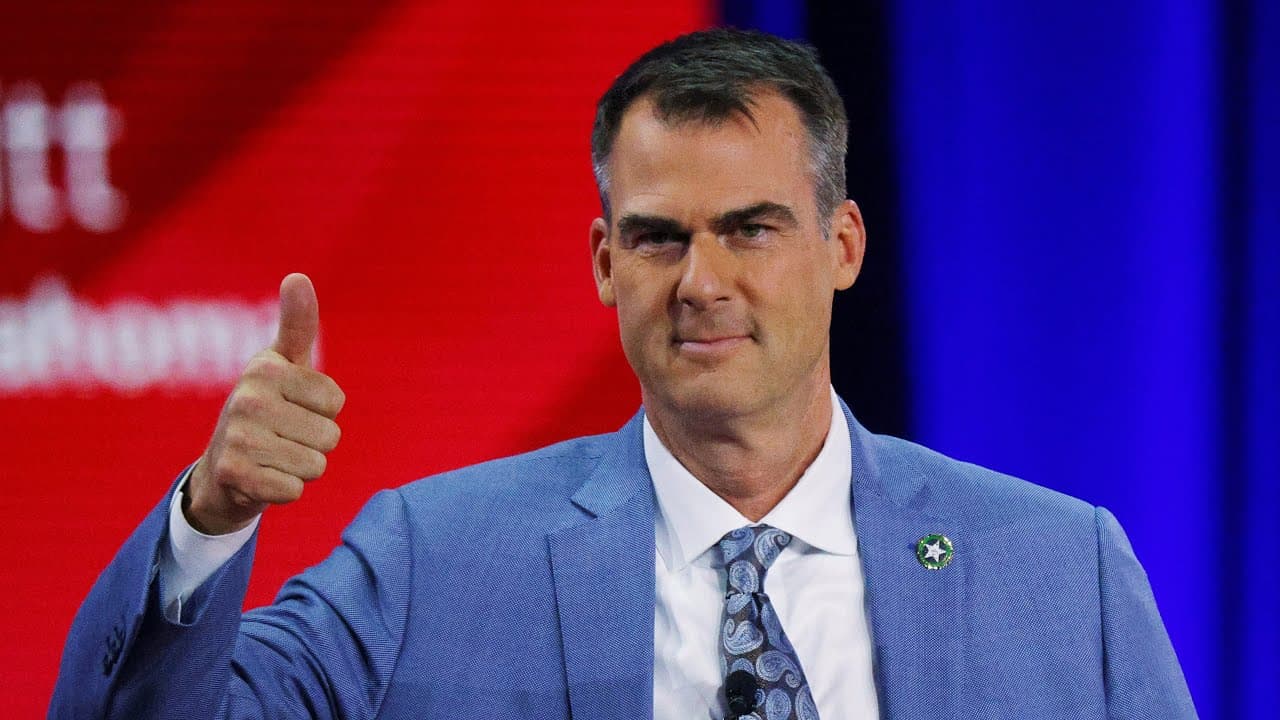
Governor Kevin Stitt discusses Oklahoma's energy strategy, emphasizing the state's role in both traditional and renewable energy sectors. He highlights Oklahoma's international outreach to promote energy reliability and the importance of diverse energy sources, including natural gas and renewables, to ensure energy security and economic growth.
Transcript
FROMAN: Well, good morning, everybody, and welcome. Thank you for joining us today. I’m Mike Froman, president of the Council, and I’m really delighted to have this event here today. You know, the Council is—prides itself on being a nonpartisan, fact-based institution. We don’t take institutional positions on any issues. We represent a wide ran... Read More
Key Insights
- Oklahoma is a leader in both traditional and renewable energy, ranking high in oil, gas, and wind energy production.
- Governor Stitt emphasizes the importance of a diverse energy mix, including natural gas, wind, and solar, to ensure energy reliability.
- The state is attracting international attention for its energy strategy and business-friendly environment.
- Oklahoma has reduced its carbon footprint significantly over the past two decades, primarily through increased natural gas usage.
- Governor Stitt advocates for free-market solutions and is cautious about government intervention in the energy sector.
- The state is focusing on critical minerals processing to reduce reliance on foreign sources.
- Oklahoma is engaging in international trade relations to promote its energy and business sectors.
- Governor Stitt is concerned about federal policies that could impact the state's energy exports and economic growth.
Install to Summarize YouTube Videos and Get Transcripts
Explore YouTube Video Summarizer or Get YouTube Transcript Extractor
Questions & Answers
Q: How does Oklahoma balance traditional and renewable energy sources?
Oklahoma balances its energy mix by being a leader in both traditional and renewable energy sectors. The state ranks high in oil, natural gas, and wind energy production. Governor Stitt emphasizes the importance of having a diverse energy mix to ensure reliability, especially during extreme weather events. This approach includes utilizing natural gas for baseload power and expanding renewable energy sources like wind and solar.
Q: What is Governor Stitt's stance on government intervention in energy markets?
Governor Stitt advocates for a free-market approach to energy markets, expressing skepticism about government intervention. He believes that market forces should dictate energy production and distribution rather than government mandates. Stitt highlights past government policies that favored certain energy sources and stresses the need for innovation and competition to drive energy advancements.
Q: Why is Oklahoma focusing on critical minerals processing?
Oklahoma is focusing on critical minerals processing to reduce reliance on foreign sources and strengthen its position in the global energy market. Governor Stitt highlights the importance of securing a sustainable supply of critical minerals for industries like defense and technology. The state is attracting companies in the critical minerals sector by offering a business-friendly environment and regulatory support.
Q: How is Oklahoma engaging in international trade relations?
Oklahoma is actively engaging in international trade relations to promote its energy and business sectors. Governor Stitt mentions signing MOUs with countries like the U.K. to facilitate trade and investment. The state is leveraging its energy resources and business-friendly policies to attract international partners and strengthen economic ties.
Q: What concerns does Governor Stitt have about federal energy policies?
Governor Stitt expresses concerns about federal energy policies that may hinder Oklahoma's energy exports and economic growth. He highlights the pause on LNG export facility construction as an example of federal intervention that could negatively impact domestic producers and international allies. Stitt advocates for policies that support energy exports and market-driven solutions.
Q: How does Oklahoma's energy strategy address climate change?
Oklahoma's energy strategy addresses climate change by reducing its carbon footprint through increased natural gas usage and expanding renewable energy sources. Governor Stitt emphasizes the state's achievements in lowering emissions and supports a balanced approach that includes both fossil fuels and renewables. He advocates for innovation and technology to drive further environmental improvements.
Q: What role does natural gas play in Oklahoma's energy strategy?
Natural gas plays a crucial role in Oklahoma's energy strategy as a reliable baseload power source. Governor Stitt highlights the state's significant natural gas production and its contribution to reducing carbon emissions. He emphasizes the importance of natural gas in ensuring energy reliability, especially during extreme weather events when renewable sources may be less effective.
Q: How is Oklahoma addressing workforce challenges in the energy sector?
Oklahoma is addressing workforce challenges in the energy sector by focusing on education and training programs. Governor Stitt highlights the importance of a skilled workforce to attract and retain energy companies. The state is investing in education initiatives and collaborating with industry partners to ensure a pipeline of qualified workers for its growing energy sector.
Summary & Key Takeaways
-
Governor Kevin Stitt outlines Oklahoma's energy strategy, emphasizing the state's leadership in both traditional and renewable energy sectors. He discusses the importance of a diverse energy mix, including natural gas, wind, and solar, to ensure energy reliability and economic growth. Stitt highlights Oklahoma's international outreach to promote energy reliability and the state's business-friendly environment.
-
Stitt expresses concerns about federal policies that may hinder energy exports, advocating for a free-market approach to energy production and distribution. He also emphasizes the importance of critical minerals processing to reduce reliance on foreign sources and strengthen Oklahoma's position in the global energy market.
-
The conversation touches on various topics, including the role of fossil fuels, renewable energy advancements, and the state's efforts to attract international business and trade partnerships. Stitt underscores the need for energy reliability, especially in light of global geopolitical tensions and supply chain disruptions.
Read in Other Languages (beta)
Share This Summary 📚
Summarize YouTube Videos and Get Video Transcripts with 1-Click
Try YouTube Summary with ChatGPT & Claude or YouTube Transcript Generator
Explore More Summaries from Council on Foreign Relations 📚

Summarize YouTube Videos and Get Video Transcripts with 1-Click
Try YouTube Summary with ChatGPT & Claude or YouTube Transcript Generator