Endocrine System: Glands and Hormones
TL;DR
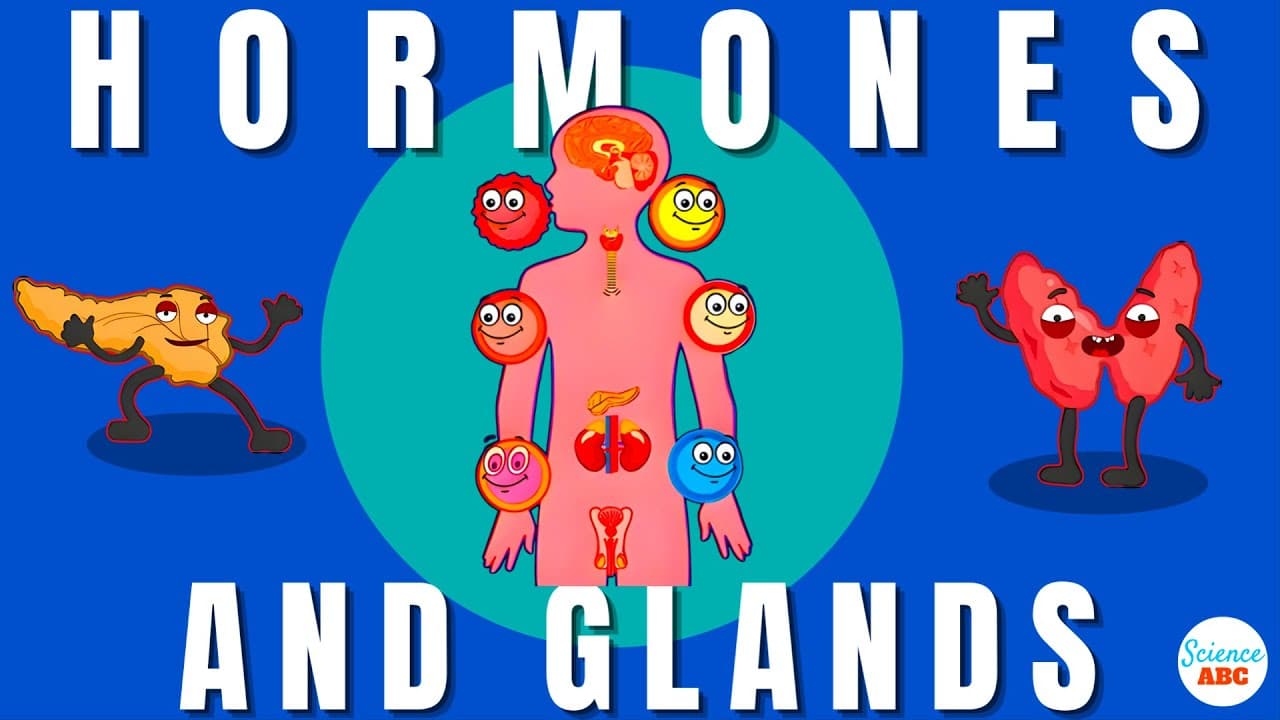
The body produces 50 different hormones that regulate various functions in the body, from growth and development to mood and reproduction.
Transcript
We talk about our hormones a lot. Estrogen is the “female” hormone, while testosterone is the “male” hormone. Hormonal changes affect growth and development , mood, and more. However, that is only the tip of the iceberg. Your body produces 50 different hormones that regulate everything in your body. You name it and there’s probably a hormone or thr... Read More
Key Insights
- 🌟 Hormonal changes affect growth, development, mood, and more, with the body producing 50 different hormones that regulate various bodily functions.
- 🌱 The major endocrine glands are the hypothalamus, pituitary gland, pineal gland, thyroid and parathyroid glands, adrenal glands, pancreas, and gonads.
- 🧠 The hypothalamus, pituitary gland, and pineal gland in the brain are key glands that regulate the release of hormones throughout the body.
- 💪 The anterior pituitary gland produces growth hormone, prolactin, thyroid-stimulating hormone, ACTH, FSH, and LH, which control growth, lactation, reproduction, and other functions.
- 💧 The posterior pituitary gland releases antidiuretic hormone and oxytocin, which regulate blood pressure, water balance, childbirth, and sexual arousal.
- 🦋 The thyroid gland produces thyroid hormone, which increases metabolism, while the parathyroid glands maintain calcium levels in the blood.
- 🍽️ The pancreas regulates blood glucose levels through the release of insulin and glucagon, essential hormones for glucose metabolism.
- 🐾 The adrenal glands produce cortisol, aldosterone, and sex hormones, playing a role in metabolism, stress response, blood pressure, and reproductive functions.
Install to Summarize YouTube Videos and Get Transcripts
Explore YouTube Video Summarizer or Get YouTube Transcript Extractor
Questions & Answers
Q: What are some of the major endocrine glands in the body?
The major endocrine glands in the body include the hypothalamus, pituitary gland, pineal gland, thyroid gland, parathyroid glands, adrenal glands, pancreas, and gonads.
Q: How do hormones regulate growth and development?
Hormones, such as growth hormone (GH) and sex hormones, play a crucial role in the growth and development of the body, including the growth of bones and cartilage.
Q: How does the hypothalamus regulate hormone production?
The hypothalamus receives signals from the brain and body, and in response, it secretes hormones to signal the anterior pituitary gland, which then releases its hormone signals to specific glands to release their hormones.
Q: What are the functions of insulin and glucagon?
Insulin helps decrease blood glucose levels by allowing cells to take in glucose, while glucagon increases blood glucose levels by promoting the release of stored glucose in the liver.
Q: What role do adrenal glands play in the body?
The adrenal glands secrete hormones such as cortisol, which regulates metabolism and immune function, as well as adrenaline and noradrenaline, which initiate the fight-or-flight response in stressful situations.
Summary & Key Takeaways
-
The body produces 50 different hormones that regulate various functions in the body.
-
The major endocrine glands in the body include the hypothalamus, pituitary gland, pineal gland, thyroid gland, parathyroid glands, adrenal glands, pancreas, and gonads.
-
Each gland produces different hormones that play a crucial role in maintaining homeostasis and regulating specific functions in the body.
Read in Other Languages (beta)
Share This Summary 📚
Summarize YouTube Videos and Get Video Transcripts with 1-Click
Try YouTube Summary with ChatGPT & Claude or YouTube Transcript Generator
Explore More Summaries from Science ABC 📚






Summarize YouTube Videos and Get Video Transcripts with 1-Click
Try YouTube Summary with ChatGPT & Claude or YouTube Transcript Generator