Haiti in Crisis
TL;DR
Panel discusses Haiti's crisis, humanitarian needs, and international response.
Transcript
BIGGS: Thank you so much for joining us. I’m Marcia Biggs. I’m a freelance journalist and special correspondent for the PBS NewsHour. I’ll be presiding over today’s discussion. We are joined by all of you in person in New York and over 150 attending virtually on Zoom. So I love to see that that many people are here to talk about Haiti. And I... Read More
Key Insights
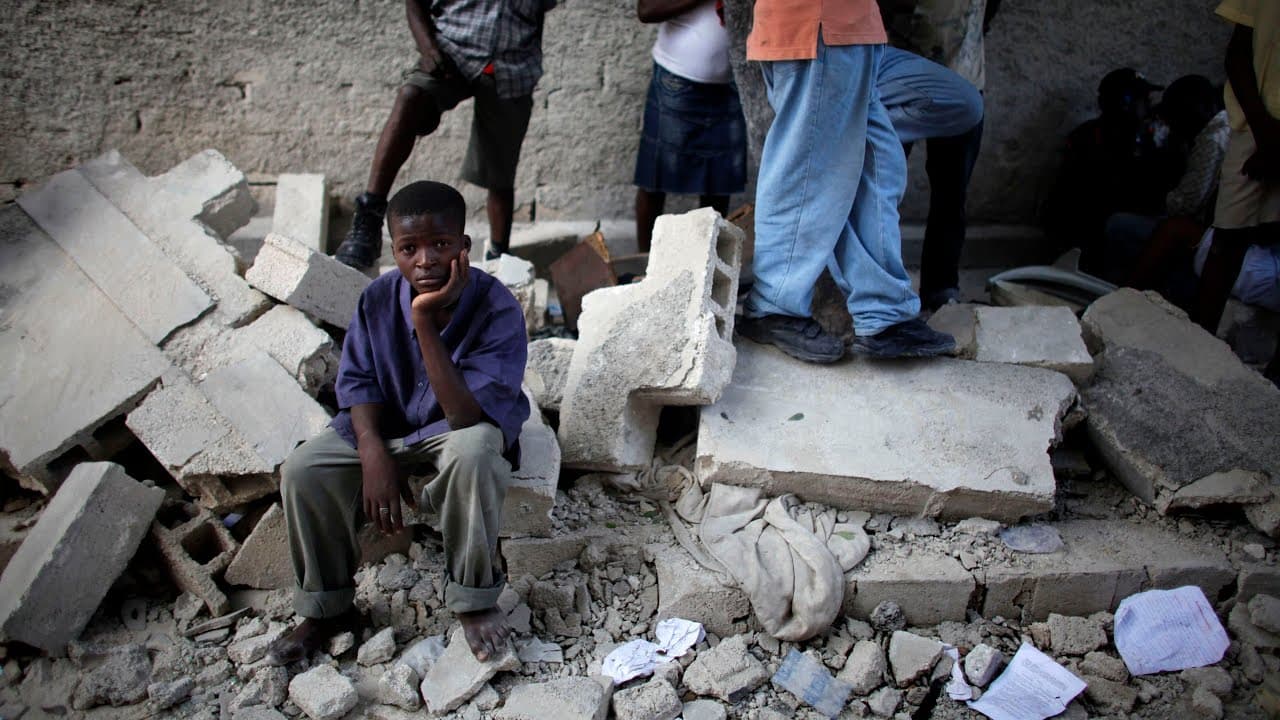
- Haiti is facing severe gang violence, causing a political vacuum and humanitarian crisis, with over 50,000 people displaced and 1.6 million on the brink of famine.
- The assassination of President Jovenel Moise in 2021 intensified the crisis, leading to a power struggle and the formation of a seven-member Presidential Council.
- The international community's involvement in Haiti's politics has historically had negative effects; thus, a Haitian-led solution is being promoted.
- The Haitian national police, though under-resourced, are crucial for maintaining order, and support from international forces is debated.
- The Montana Accord, a Haitian-led proposal for governance reform, was largely ignored by the international community, indicating a disconnect in solutions.
- Haiti's social fabric is deeply fractured, with wealth concentrated among a few, leading to systemic inequality and governance issues.
- The U.S. has been criticized for its delayed response and lack of decisive action in Haiti's political crisis.
- There is a call for the Haitian diaspora to play a more significant role in rebuilding Haiti, leveraging their skills and resources.
Install to Summarize YouTube Videos and Get Transcripts
Explore YouTube Video Summarizer or Get YouTube Transcript Extractor
Questions & Answers
Q: What led to the current crisis in Haiti?
The crisis in Haiti is primarily due to escalating gang violence, political instability after President Jovenel Moise's assassination, and a power vacuum that has left the nation in turmoil. The situation is exacerbated by economic challenges and a humanitarian crisis, with many displaced and facing famine.
Q: What is the Montana Accord?
The Montana Accord is a Haitian-led proposal aimed at creating a transitional government following the assassination of President Moise. It emphasizes governance reform and social justice, advocating for a national conference to establish a vision for Haiti's future. However, it has been largely ignored by international actors.
Q: How has the international community responded to Haiti's crisis?
The international community, particularly the U.S., has been criticized for its delayed and insufficient response. While there is support for a Haitian-led solution, the involvement of international forces, such as a proposed Kenyan-led mission, remains contentious. The U.S. has pledged financial support but faces challenges in addressing the root causes of the crisis.
Q: What role does the Haitian diaspora play in the crisis?
The Haitian diaspora is seen as a vital resource for rebuilding Haiti, with many skilled and educated individuals willing to contribute. They are the largest donors to Haiti, providing significant financial support. However, their involvement in decision-making and governance remains limited, prompting calls for greater inclusion.
Q: What are the main challenges in addressing Haiti's crisis?
The main challenges include addressing the entrenched gang violence, political instability, and economic inequality. The concentration of wealth among a few families and the lack of effective governance structures further complicate efforts. Additionally, there is a need for international support while ensuring Haitian sovereignty and leadership in solutions.
Q: What is the stance on international military intervention in Haiti?
The idea of international military intervention, particularly a Kenyan-led mission, is contentious. While some argue that external forces are necessary to restore order, others believe it undermines Haitian sovereignty and could lead to further complications. There is a preference for strengthening the Haitian national police with international support.
Q: How has the U.S. historically influenced Haiti's politics?
The U.S. has historically played a significant role in Haiti's politics, often to negative effect. This involvement has included selecting leaders and influencing political decisions, which has contributed to the current instability. The U.S. is now promoting a Haitian-led solution, acknowledging past mistakes.
Q: What are the humanitarian needs in Haiti amidst the crisis?
Haiti faces severe humanitarian needs, with over 50,000 people displaced and 1.6 million on the brink of famine. There is a critical shortage of food, medical supplies, and basic services. The presence of gangs further complicates the delivery of aid, making international support crucial in addressing these needs.
Summary & Key Takeaways
-
Haiti is in a state of crisis, plagued by gang violence and political instability following the assassination of President Jovenel Moise. The humanitarian situation is dire, with many displaced and on the brink of famine.
-
The international community, particularly the U.S., has faced criticism for its historical involvement in Haiti's politics, leading to calls for a Haitian-led solution. The Montana Accord, a proposal for governance reform, highlights this push.
-
The role of the Haitian diaspora is emphasized as crucial in rebuilding the nation. The need for international support, particularly for the Haitian national police, is debated amidst concerns about external interventions.
Read in Other Languages (beta)
Share This Summary 📚
Summarize YouTube Videos and Get Video Transcripts with 1-Click
Try YouTube Summary with ChatGPT & Claude or YouTube Transcript Generator
Explore More Summaries from Council on Foreign Relations 📚
Summarize YouTube Videos and Get Video Transcripts with 1-Click
Try YouTube Summary with ChatGPT & Claude or YouTube Transcript Generator